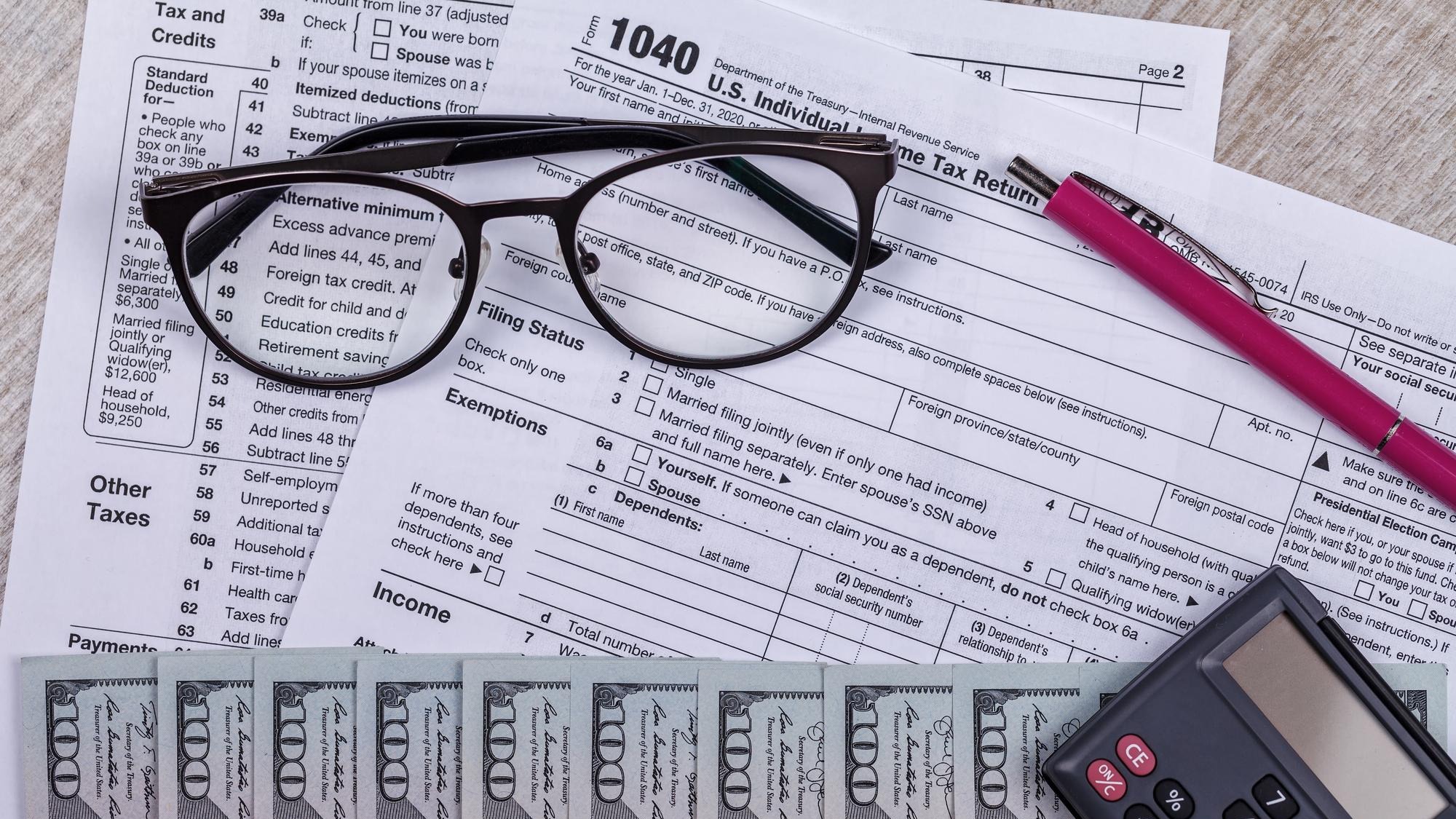
The Internal Revenue Service stopped $7 billion in fraudulent tax refunds over the past two years, according to IRS fiscal year 2025 data. That figure represents a sharp escalation in the agency’s filtering systems designed to catch identity-theft schemes before payments leave the Treasury. But the same filters that block criminals also flag legitimate returns, creating a tension between fraud prevention and taxpayer service that federal watchdogs have tracked for nearly a decade.
Stricter refund filters and the fraud they target
The $7 billion figure draws from the agency’s own statistical records covering its annual data book for fiscal year 2025. At the scale of more than 160 million individual returns processed each year, the blocked amount reflects both the size of the fraud problem and the reach of automated screening tools the IRS has built up since identity-theft refund fraud surged earlier in the past decade.
Those screening tools work by matching return data against third-party wage records, prior filing patterns, and known fraud indicators before a refund is approved. When a return trips one of these filters, it is held for manual review. The system catches billions in fake claims, but it also catches real taxpayers whose returns look unusual for legitimate reasons, such as a change in filing status, a new business, or income from multiple sources.
A Treasury Inspector General for Tax Administration audit, report 2017-40-017, found that the IRS had improved its identification of fraudulent returns involving identity theft but that the accuracy of its measurement methods still needed work. That finding matters because it raises a basic question: if the agency cannot precisely measure how well its filters perform, the $7 billion blocked figure itself carries some degree of estimation uncertainty. Overstating blocked fraud can make the filters look more effective than they are, while understating it can mask risks that remain in the system.
IRS officials have argued that aggressive filtering is essential when criminal schemes can generate thousands of nearly identical returns in a matter of hours. From their perspective, slowing down questionable refunds is preferable to paying out fraudulent claims that will be difficult or impossible to recover. But the broader policy debate increasingly turns on how to calibrate those filters so they do not ensnare ordinary taxpayers whose only mistake is falling outside a statistical norm.
Business returns and the shifting fraud frontier
Most of the IRS’s identity-theft detection infrastructure was built around individual income tax returns. A Government Accountability Office report, GAO-20-174, found that the agency had not adequately assessed the risks of refund fraud on business-related returns. The GAO concluded that business filings, including partnership and S-corporation returns, lacked the same systematic fraud-risk controls applied to individual filings.
That gap matters because tighter individual filters can push fraud attempts toward less-guarded channels. When criminals find it harder to file fake W-2-based returns, some shift to business filings where verification is weaker. The result is a growing share of legitimate business filers who get caught in expanded screening, facing delays on refunds they are owed while the IRS sorts real claims from fake ones.
For small businesses, those delays can be especially painful. Refunds tied to over-withholding, estimated tax payments, or refundable credits can represent critical operating cash. When those funds are held up for weeks or months, owners may struggle to meet payroll, pay suppliers, or invest in new equipment. Yet from the IRS’s standpoint, loosening filters on business returns without better risk analysis could open a lucrative target for organized fraud rings.
Honest filers caught in the crossfire
The Taxpayer Advocate Service’s 2025 report to Congress documents the cost of this trade-off. Identity-theft victim assistance cases remain backlogged, with average resolution times stretching for months. Taxpayers whose returns are flagged often face lengthy delays even when their claims are legitimate, according to the TAS, and many struggle to navigate the verification process or even reach an IRS representative who can explain what went wrong.
When a return is frozen by an identity-theft or fraud filter, the taxpayer may receive a notice instructing them to verify their identity online, by phone, or in person. Each of those channels has limitations: online tools can be inaccessible to people without stable internet or with limited digital literacy, phone lines are often overwhelmed during filing season, and in-person appointments may be scarce in rural areas. In the meantime, refunds that families budgeted for rent, debt payments, or medical bills remain out of reach.
Advocates warn that the burden of these delays falls disproportionately on lower-income filers and those claiming refundable credits such as the Earned Income Tax Credit or the Child Tax Credit. These taxpayers are more likely to depend on refunds as a significant share of annual income, and they may have fewer resources to weather a prolonged wait. When a legitimate refund is held for months due to a false fraud flag, the financial stress can be immediate and severe.
Federal watchdogs have urged the IRS to pair its anti-fraud efforts with more precise analytics and stronger taxpayer protections. That includes refining filters to reduce false positives, improving communication when returns are flagged, and investing in faster resolution for confirmed identity-theft victims. The $7 billion in blocked refunds underscores the scale of fraud risk facing the tax system, but it also highlights the need for safeguards that do not treat every unusual return as a suspect one.