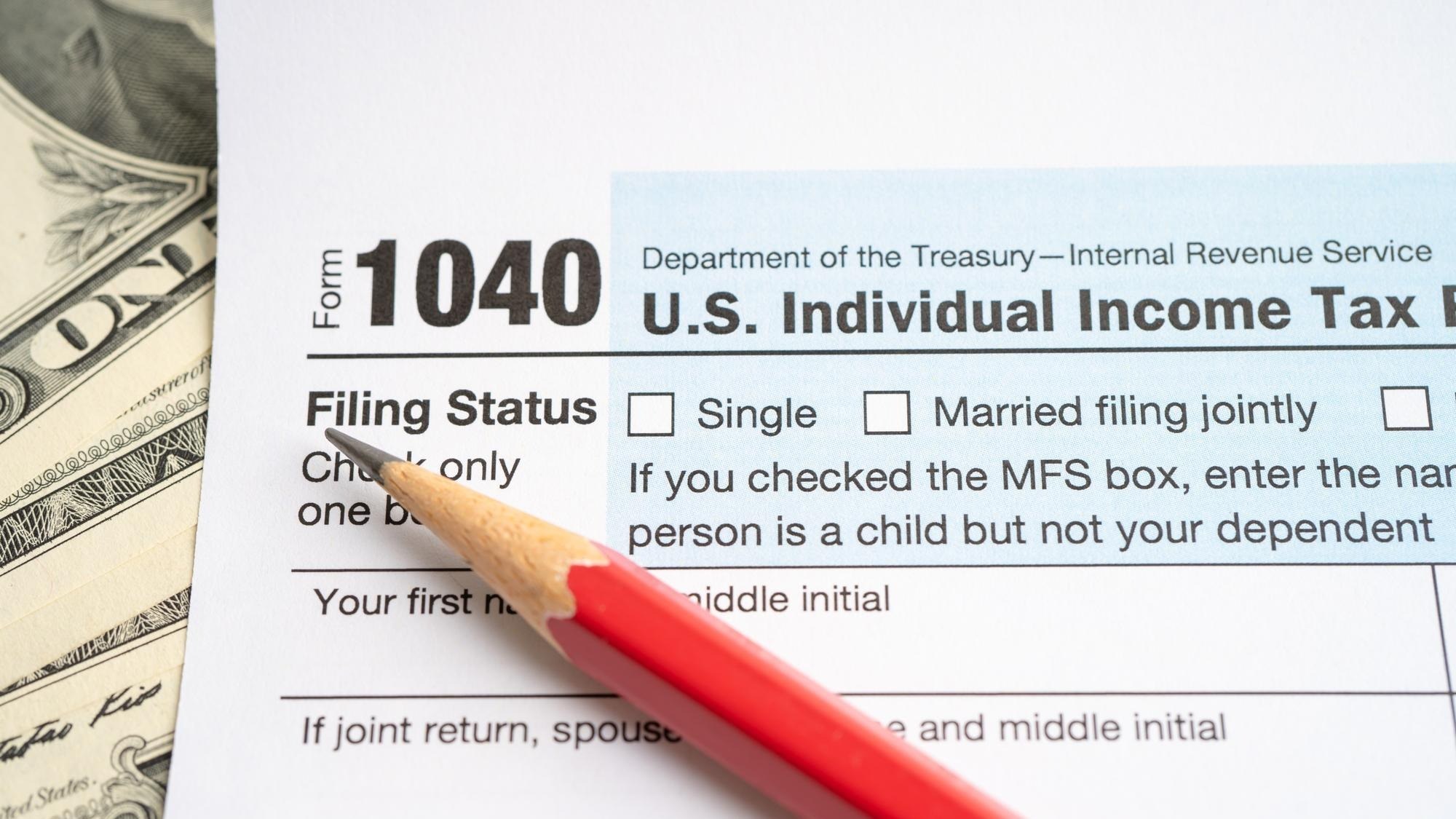
The Internal Revenue Service’s nonfiler enforcement programs secured 657,000 delinquent tax returns and collected about $1.2 billion in the last fiscal year, according to a federal audit that also found the agency cannot say which of its own programs produced that money. The audit, released by the Treasury Inspector General for Tax Administration, sets that total against the tens of billions of dollars the government estimates it loses annually to people who never file a return at all. The distance between what enforcement recovers and what goes uncollected sits at the center of why the watchdog says the IRS’s approach to nonfilers keeps falling short.
What $1.2 Billion From 657,000 Returns Actually Represents
TIGTA’s report, No. 2026-308-047, “Agencywide Coordination Could Enhance the IRS’s Approach to Nonfilers,” dated August 31, 2026, cites the IRS’s own performance data showing 657,000 individual returns secured and about $1.2 billion collected through its nonfiler enforcement programs in fiscal year 2025. The same audit separately estimates the government’s gross tax gap at about $696 billion for tax year 2022, with roughly $63 billion of that attributed to people who never filed. TIGTA found the IRS could not break out how much any single nonfiler program, among the several tools the agency uses to chase delinquent returns, contributed to the $1.2 billion total, which the report says makes it impossible for the agency to know which approaches are actually working.
Balance-Due Accounts Get Priority Over Missing Returns
The audit found the IRS’s collection functions are structured to favor a different kind of case entirely. In fiscal year 2025, 76 percent of Small Business/Self-Employed division collection dispositions addressed accounts with a known balance due, versus just 24 percent for cases involving an unfiled return. In other words, when a taxpayer already owes a specific, documented amount, the case is more likely to get worked than when the IRS suspects someone owes money but has no return to calculate the exact figure from. TIGTA’s report ties this imbalance directly to the shortfall in nonfiler collections, since the population of potential nonfilers, about 14.7 million for tax year 2022, is both larger and comparatively under-prioritized next to accounts collectors already know how to size up.
Free retirement updates: Enrollment and claim windows come and go, and missing one can cost you real money. The free Retirement Shield newsletter keeps you ahead of the deadlines that matter. Sign up free.
A Coordination Structure That Stopped Functioning Years Ago
TIGTA traced part of the shortfall to internal machinery that has sat idle for years. The IRS’s Nonfiler Strategic Plan was finalized in May 2018 and has not been updated since, and the Nonfiler Executive Steering Committee, meant to coordinate nonfiler work across IRS divisions, has not met since September 2020, and does not even represent all the IRS functions involved in the work. Among its six recommendations, TIGTA told the agency to build a genuine agencywide nonfiler strategy with executive ownership and dedicated staff, to separately track resources devoted to nonfiler work rather than lumping it in with other collection activity, and to report results program by program instead of in the aggregate. The IRS agreed to all six and outlined corrective steps.
Fewer Employees Left to Work the Cases
The report also documents a steep drop in the workforce meant to carry out this enforcement. IRS staffing fell from roughly 103,000 employees in January 2025 to about 74,000 in January 2026, a 30 percent reduction in one year. Frontline collection functions were hit hardest: the Automated Collection System lost 46 percent of its tax examiners and collection representatives, and Field Collection lost 40 percent of its staff over the same period. TIGTA’s audit does not attribute the $1.2 billion collection total to the staffing decline directly, but it presents the two findings side by side as part of the same structural picture: a nonfiler enforcement effort that was already under-resourced and unevenly prioritized before its workforce shrank by nearly a third.
More Notices Went Out, but Case Backlogs Grew Too
The volume of contact with nonfilers rose sharply even as staffing fell. The IRS sent about 3.2 million notices to individual nonfilers in fiscal year 2025, compared with none in fiscal year 2023, TIGTA found, showing the agency was reaching more suspected nonfilers on paper even as its capacity to follow through on each case shrank. That mismatch shows up in the case backlog: as of June 30, 2025, 38,824 high-priority nonfiler cases sat in first-notice status with no further action taken, and TIGTA estimated that working through a portion of that backlog could yield roughly $321.3 million in additional tax. A backlog of that size, next to $1.2 billion in actual collections, is the clearest evidence in the report that sending a notice and closing a case are two very different things for an enforcement program stretched this thin. A separate group of 10,969 high-priority cases sat unworked in the IRS collection queue as of the same date, with potential assessments TIGTA estimated at roughly $90.8 million had they been prioritized, underscoring that the $1.2 billion figure reflects what the current system actually closed out, not the full scope of what its own case files show is owed.
The Benefits Most Never File For
Separately, tax enforcement isn’t the only area where paperwork decides whether money reaches the people it’s meant for. Medicare Savings Programs, Extra Help for prescription drugs, and state unclaimed property all require someone to apply or search before the money moves, and none of them arrive automatically.
The Benefits Checklist is a 69-page guide covering these and eight other programs, complete with 2026 income limits and a printable tracker for keeping applications straight.
Look up the current income limits in The Benefits Checklist.
This article was written with the assistance of AI and reviewed for accuracy before publication.