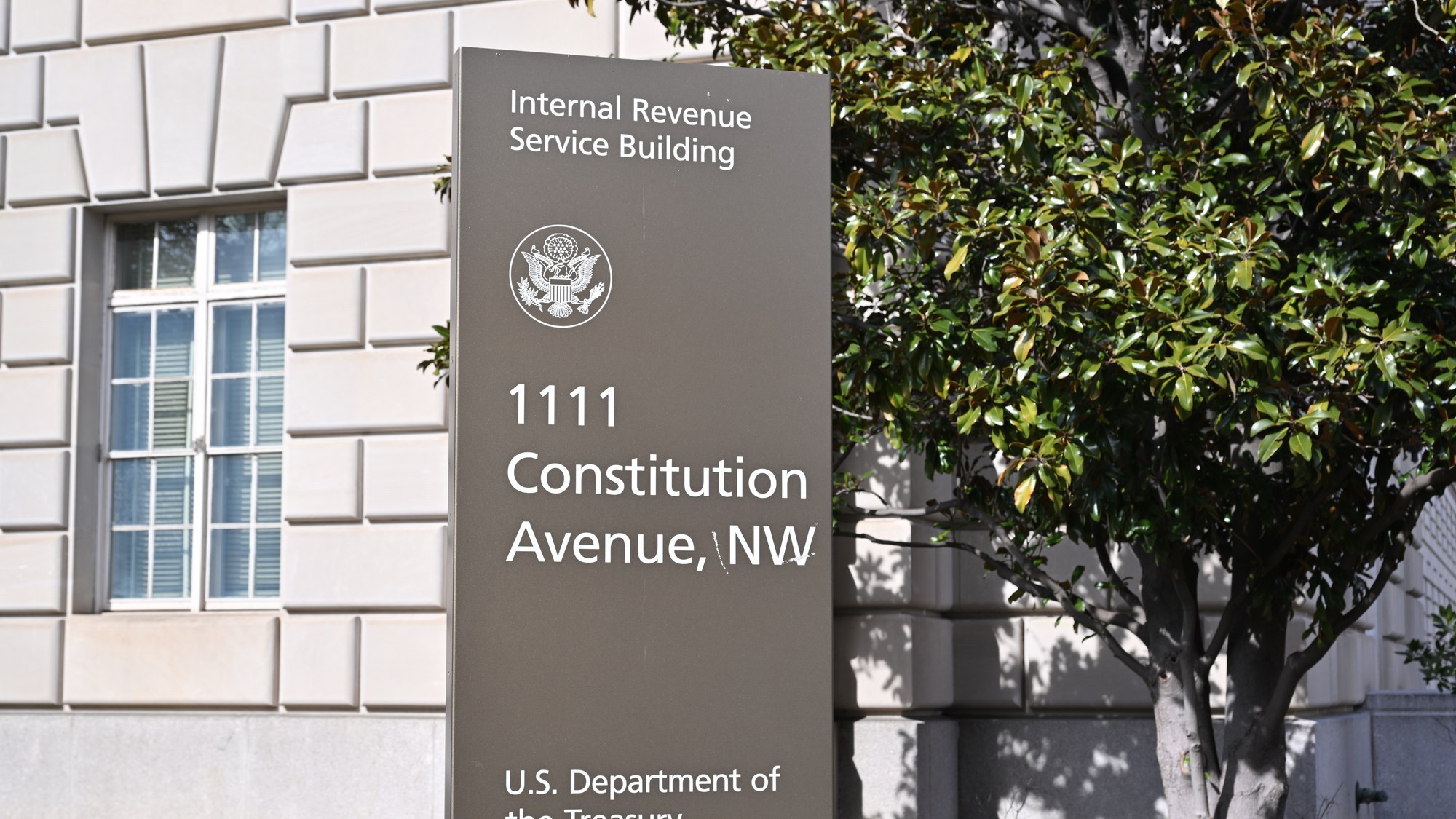
The Internal Revenue Service estimates that it paid $21.1 billion in improper Earned Income Tax Credit payments in fiscal 2025, or about 32.7 percent of the $64.7 billion the credit paid out that year, according to a Treasury watchdog review of the program. The figure covers overpayments the IRS itself cannot fully verify as owed, not a confirmed count of fraud, and it sits inside a federal reporting requirement that Congress created specifically because refundable tax credits like the EITC have run persistently high error rates for decades. For the millions of working households, including older workers with earned income who claim the credit legitimately every year, the number is less about any individual return and more about how little progress the IRS has made toward fixing a problem lawmakers have been tracking since 2019.
What Counts as an “Improper” EITC Payment
An improper payment, in the government’s technical sense, is not automatically the same thing as fraud. It can include a payment made to someone who did not actually qualify, a payment in the wrong amount, or a payment the IRS cannot support with sufficient documentation at the time of review, even if the underlying claim later turns out to have been legitimate. EITC eligibility depends on several factors that can be hard to verify quickly, including a qualifying child’s residency, a filer’s relationship to that child, and whether a claimed Social Security number is valid for EITC purposes under IRS rules. Because the credit is refundable, meaning it can generate a payment larger than any tax owed, errors on the front end translate directly into cash going out the door rather than simply reducing a tax bill. That structure is also what makes the EITC valuable to the low- and moderate-income workers it targets, since it functions less like a deduction and more like a wage supplement delivered through the tax system, which is part of why Congress has repeatedly chosen to expand it rather than scale it back despite the persistent error rate.
A Rate That Has Not Moved in Two Decades
The fiscal 2025 estimate is not an outlier. TIGTA reported that the EITC’s improper-payment rate has remained above 20 percent in every year from fiscal 2006 through fiscal 2025, a stretch of two decades in which the program has never come close to the target Congress set for it. The Payment Integrity Information Act of 2019 directed federal agencies to bring high-risk programs like the EITC below a 10 percent improper-payment rate, and the IRS has not met that target in any year since the law passed. TIGTA’s review found the agency has not demonstrated meaningful improvement in the underlying error rate even as the dollar amounts involved have grown alongside the size of the credit itself. The EITC is one of four refundable tax credit programs, alongside the Additional Child Tax Credit, the American Opportunity Tax Credit and the Net Premium Tax Credit, that the Office of Management and Budget has designated as susceptible to significant improper payments under the 2019 law, which is why each one is reviewed and reported separately every year rather than folded into the IRS’s general accuracy statistics.
Free retirement updates: One number can cost or save hundreds a month in retirement. The free Retirement Shield newsletter surfaces the ones worth knowing. Sign up free.
Why the IRS Can’t Simply Verify Claims Before Paying
The core obstacle, according to TIGTA’s review, is that the IRS generally must pay a refund before it has the time or authority to fully examine a return claiming the credit. The agency reported that it examines less than 1 percent of returns claiming refundable credits before issuing the associated refund, and prerefund examinations of those claims have declined by roughly 70 percent over the past three fiscal years. The IRS does have limited authority, known as math error authority, to correct certain claims automatically during processing, and TIGTA said the agency used it to reduce total refundable-credit claims by about 2 percent, or $7.6 billion, between fiscal 2023 and fiscal 2025. But that tool only works when the IRS already has reliable data showing a claim is invalid, and for many EITC eligibility questions, such as a qualifying child’s residency or a taxpayer’s changed immigration status, the IRS simply does not receive that information from other government systems in time to act on it before a refund goes out.
The Legal Requirement the IRS Keeps Missing
TIGTA’s report was blunt about the path forward, stating that without changes to the underlying law, “it is likely the IRS’s improper payment rate will continue to remain above the 10% threshold” set by Congress. The watchdog recommended that the IRS work with the Treasury Department and Congress to pursue legislative changes to EITC eligibility rules, expand its correctable-error authority, and build better data-sharing agreements with outside agencies so eligibility can be checked before, not after, a refund is paid. The IRS agreed with all of the recommendations in its formal response, while noting that the complexity of the credit’s eligibility rules, written into the tax code by Congress, is itself a major driver of the error rate the agency has struggled for years to bring down. The IRS’s response leaned heavily on the argument that refundable-credit overclaims are better understood as part of the broader tax gap than as a payment-integrity failure in the traditional sense, since the errors arise from self-certified eligibility information at filing rather than from the kind of processing mistakes that improper-payment rules were originally written to catch.
The Forms Nobody Sends
Separately, the opposite problem, benefit money that goes unclaimed rather than wrongly paid, costs older households real money every year. Circuit-breaker property-tax credits, LIHEAP heating and cooling assistance, and Extra Help for prescription drug costs are all opt-in programs, so a household that qualifies still has to find the paperwork and file it.
The Benefits Checklist is a 69-page guide covering eleven such programs, including a 50-state phone directory for locating the office that handles each one.
See how these programs work in The Benefits Checklist.
This article was researched and drafted with the assistance of AI tools, using improper-payment data published by the Treasury Inspector General for Tax Administration, and was reviewed for accuracy before publication.