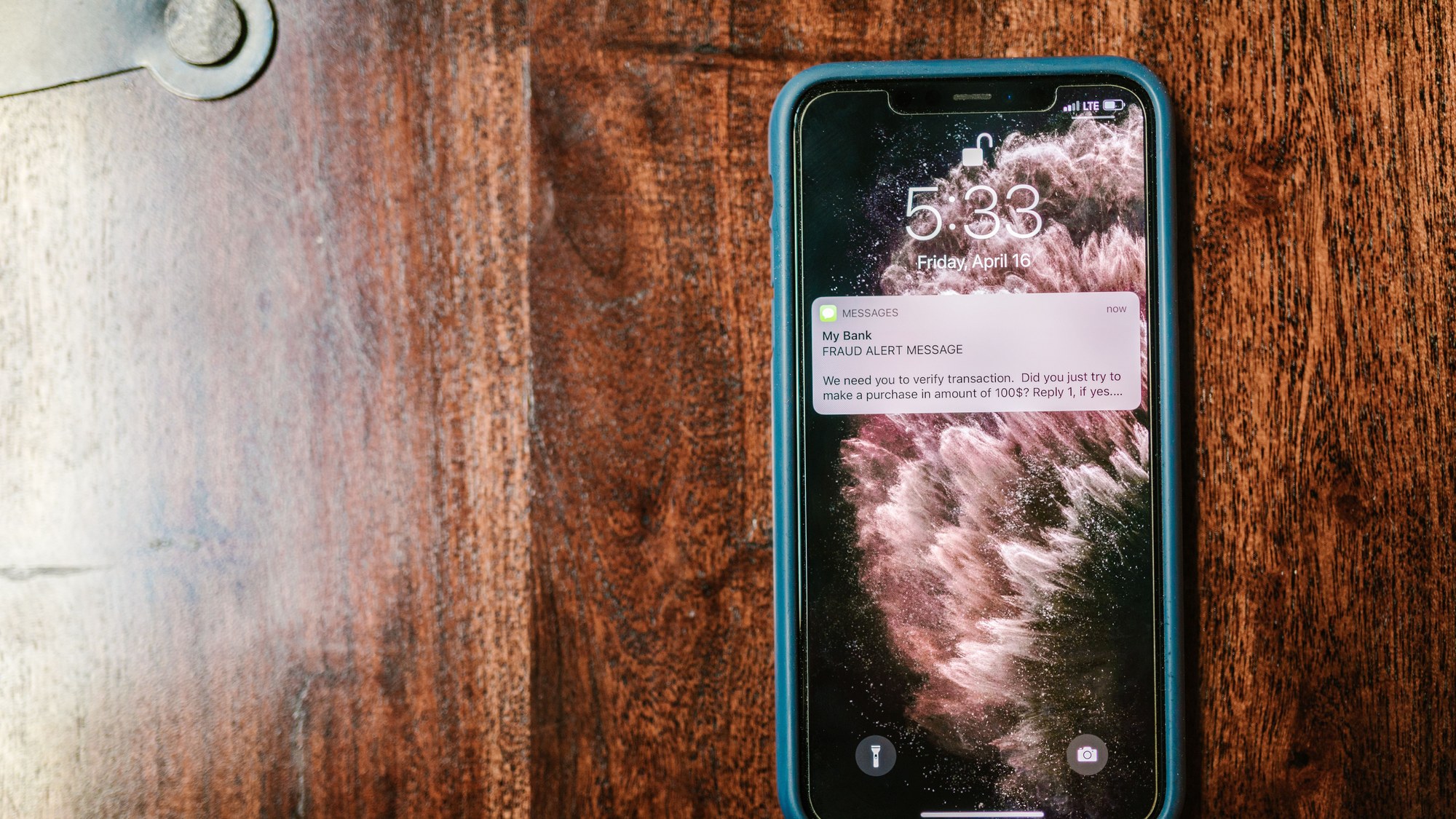
The IRS does not start contact with taxpayers by email, text message or social media, and it does not send messages asking for personal or financial information, the agency says in its scam guidance. A letter or notice in the mail is the first way the IRS reaches a taxpayer, according to a July 2025 IRS tax tip. A message that lands first on a phone screen or in an inbox, claiming to be the IRS, begins on the wrong foot.
The question for anyone with a refund pending or a balance owed is which message deserves trust. The IRS says it will mail a letter or notice before it calls or emails, so the mailbox is where real contact begins. A taxpayer holding a suspicious letter can match it by signing in to an IRS Online Account or by calling IRS customer service, and the same steps help with any message that arrives first by text or email.
Stay ahead of government payment news: Miss an enrollment or claim deadline and the money can be gone. Join the Retirement Money Brief and we’ll send you our 2026 Government Check Reality Tracker as a welcome gift.
Get the Brief + the check tracker →
We may earn a commission from links on this page.
The rule has stood for more than a year. The 2024 tip, Tax Tip 2024-63, makes the same point about email, text and social media that the 2025 tip repeats, and the agency’s phishing-report page was updated Oct. 29, 2026. Nothing in those pages suggests the agency has loosened the practice.
Can the IRS ever send a text?
Only with the taxpayer’s permission, the 2025 tip says, which is the narrow exception that confuses people. The agency’s guidance on fake messages describes scammers texting about supposed “tax credits” or “stimulus payments,” and it lists unexpected or unsolicited texts among the things the IRS does not send.
A text that no one agreed to receive, promising a payment or asking someone to confirm a Social Security number or bank account, fits the pattern the IRS warns about. The same goes for a direct message on social media, which the agency says it does not send at all.
What does a real IRS phone call look like?
A call can follow a mailed notice. The 2025 tip says IRS agents may phone to confirm an appointment or to discuss items for a scheduled audit, but only after an initial letter or notice. Private collection agencies working for the IRS may call about certain inactive tax debts, again only after the taxpayer and the taxpayer’s representative receive written notice.
The IRS does not leave urgent or threatening messages. Pre-recorded calls that carry threats are scams, the agency says, including the common claim that a warrant will be issued for the listener’s arrest unless they call back. The IRS also ended most unannounced visits by revenue officers to improve safety, per the 2025 tip, so a stranger at the door claiming to be from the IRS is another red flag.
Why do gift cards give a scammer away?
The IRS and its authorized private collection agencies never ask for payment by pre-paid card, store gift card or online gift card. Legitimate ways to pay are listed on the agency’s payments page, and anything outside that list is not a way to settle an IRS bill.
The guidance points to smaller tells too. Spelling and grammar errors, links that look off such as “irs.com,” and any demand to pay, click a link or open an attachment right away are warning signs. “All IRS links go to irs.gov,” the agency says.
What is a fake message trying to get?
Money, mostly. The IRS’s page of tax scam alerts, last updated April 7, says an email or text impersonator “wants you to send them money,” and it warns that opening links and attachments in such messages may harm a computer. Odd or misspelled web links are one of the signs the agency lists.
That is why the IRS keeps pointing people back to the mail. A letter can be checked against an online account at a calm moment, while a text or voicemail is built to rush the reader. Taxpayers who are unsure can skip the message entirely and call IRS customer service, a step the agency recommends for verifying a suspicious letter.
Where does a fake message go?
Fake emails go to phishing@irs.gov with the subject line “IRS” or “Treasury,” the IRS says on its phishing-report page, updated Oct. 29. The agency asks people not to reply, click links or open attachments first, and to send the message as an attachment or with its header so the IRS can trace the sender. It also asks people to report the email to the Treasury Inspector General for Tax Administration and then delete it.
For a fake text, the instructions differ. The IRS wants the sender’s number, the message itself, the recipient’s number and the date, time and time zone, sent to the same address with the subject line “Text.” Forwarding the message to 7726 (SPAM) lets a wireless carrier block similar texts, and the original can then be deleted.
Could a fake IRS text reach your phone before the real letter does?
Scammers text about fake “tax credits” and “stimulus payments” and wait for someone to answer, the IRS says. A reply that hands over a Social Security number or bank login can cost far more than any refund is worth.
Scam-Proof Your Accounts in a Weekend lays out ten moves in weekend order, including how to get an IRS Identity Protection PIN so no one can file a return in your name and how to lock your bank logins with two-step login, alerts and a verbal password. It also shows how to freeze ChexSystems and NCTUE, the two reports almost everyone forgets.
Get the weekend guide that locks accounts against fake IRS messages →
This article was produced with AI assistance and edited for accuracy against the sources linked above.