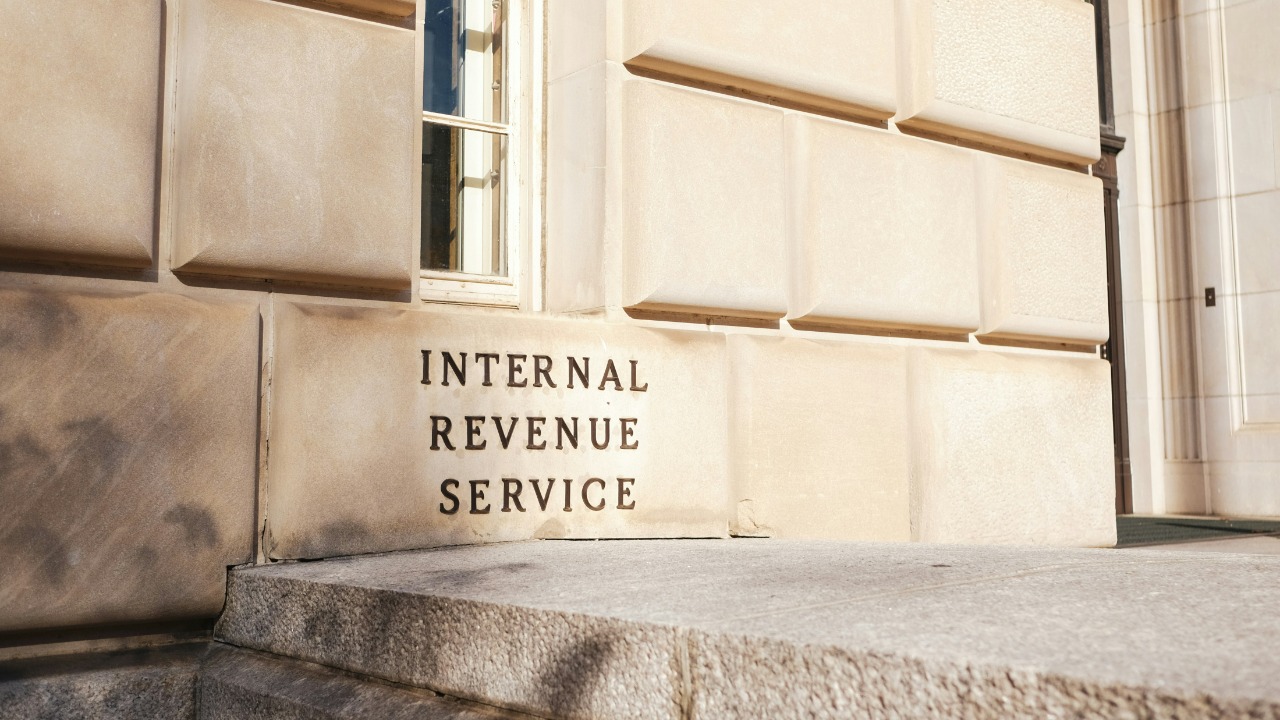
A warning the Internal Revenue Service released this month describes a pitch circulating through tribal communities and among older taxpayers nationwide: pay a promoter to access a so-called “Tribal Tax Credit,” then watch it erase a tax bill or manufacture a refund. The agency says the credit does not exist anywhere in federal law, no matter what a promoter’s paperwork claims. The September 18 release lays out how the pitch is built, what promoters charge for it, and where a target or a tax professional can send a formal complaint.
How Promoters Package the Tribal Tax Credit Pitch
Promoters advertise the scheme under interchangeable names — “Tribal Tax Credits,” “Native American Tax Credits,” “Sovereign Tribal Tax Credits” — and market it as a legitimate way to convert tribal trust fund payments or tribal ownership into a personal tax break. The IRS says buyers are typically directed to purchase the purported credit from an entity the promoter claims is affiliated with a tribal community, with a promise that the credit will reduce an existing tax liability or generate a refund larger than anything the buyer’s actual return supports. Promoters charge for the arrangement in two layers: a fee to broker the purported purchase of the credit itself, and a separate fee for supporting paperwork — assignment documents and a purported legal opinion — meant to make the credit look defensible if a return is later questioned. Older taxpayers, who more often hold irregular income sources such as trust payments, pensions or per-capita distributions that can make a return look complicated to an outsider, are a recurring target because the fake credit is pitched as a specialized break only a knowledgeable insider would know to claim.
Free first-hour card: After a scam call or identity theft, the order of the first steps matters most. Keep the free first-hour action card on hand.
The Interagency Agreement Promoters Invent to Sell It
To make the credit sound official, promoters borrow legitimacy from real programs and stretch it past recognition. Some tell buyers that the Treasury Department, the Department of the Interior and certain tribal governments have signed an agreement allowing tribal trust fund payments to convert into federal tax credits — the IRS states plainly that no such agreement exists. Others point to a real provision that lets certain clean-energy credits be sold or transferred between taxpayers, presenting it as though it covers a tribal credit it has nothing to do with, or invoke the New Markets Tax Credit under Internal Revenue Code Section 45D, a program with no relationship to the scheme. A separate version of the pitch claims a company owned by tribal members can draw on the company’s sovereign status to unlock a credit; no federal statute or agreement creates one. When a buyer’s own prior return already claimed the fake credit and the IRS processed a refund without immediate objection, promoters point to that as proof the credit is valid — acceptance of a filed return is not the same as the IRS reviewing and approving a credit claimed on it.
Five Warning Signs Behind the Pitch
The release lists specific red flags meant to help a buyer, a family member or a tax preparer recognize the scheme before money changes hands:
- An offer to sell the credit for substantially less than its claimed face value.
- Pressure to act quickly because only a limited number of credits are supposedly available.
- References to a government or interagency agreement that cannot be found publicly.
- A legal opinion that cannot be verified directly with the attorney or law firm named.
- A request to sign a nondisclosure agreement before receiving basic information about the credit.
Each flag traces back to the same structural feature: a promoter selling a fee-based fiction has to manufacture urgency and unverifiable credibility, because the credit cannot survive a buyer checking the underlying claim directly against the tax code or a tribal government’s own records.
Filing Form 14242 Against a Promoter
Taxpayers and tribal communities that encounter the pitch have a specific channel for it. Form 14242, Report Suspected Abusive Tax Promotions or Preparers, is built for exactly this kind of complaint — a promoter or preparer pushing a scheme rather than an individual instance of identity theft or a fake IRS phone call. Anyone with broader information about tax fraud or other illegal tax activity can also submit it through the agency’s general fraud reporting channel, which routes tips on tax fraud, scams and abusive schemes separately from identity-theft and impersonation reports. A buyer who has already claimed the fake credit faces its own exposure — the return can be corrected, tax and interest reassessed, and penalties applied — but that consequence is a separate matter from reporting the promoter who sold it.
The release closes with a statement from IRS Chief Executive Officer Frank J. Bisignano, who said the agency “will always confront abusive and illegal tax schemes” that could undermine confidence in the tax system if left unchallenged — the same release that names Form 14242 as the tool for reporting the promoters currently selling this one.
What a Promoter Keeps After the Pitch Ends
The tribal tax credit pitch runs on contact information: a name, a phone number, a copy of a prior return, sometimes a signed nondisclosure agreement handed over before the buyer sees any fine print. Filing Form 14242 addresses the promoter, but it does not undo what a stranger already collected in the process of making the sale. The next question is what to do with a name and a return now sitting in someone else’s file.
The Senior Fraud Defense & First-Hour Recovery Kit is a 9-page kit built around the first-hour recovery plan and the free credit-freeze steps for that exact situation.
See the family code word and the fraud evidence and report log inside the The Senior Fraud Defense & First-Hour Recovery Kit.
This article was researched and drafted with the assistance of AI and reviewed by an editor.


