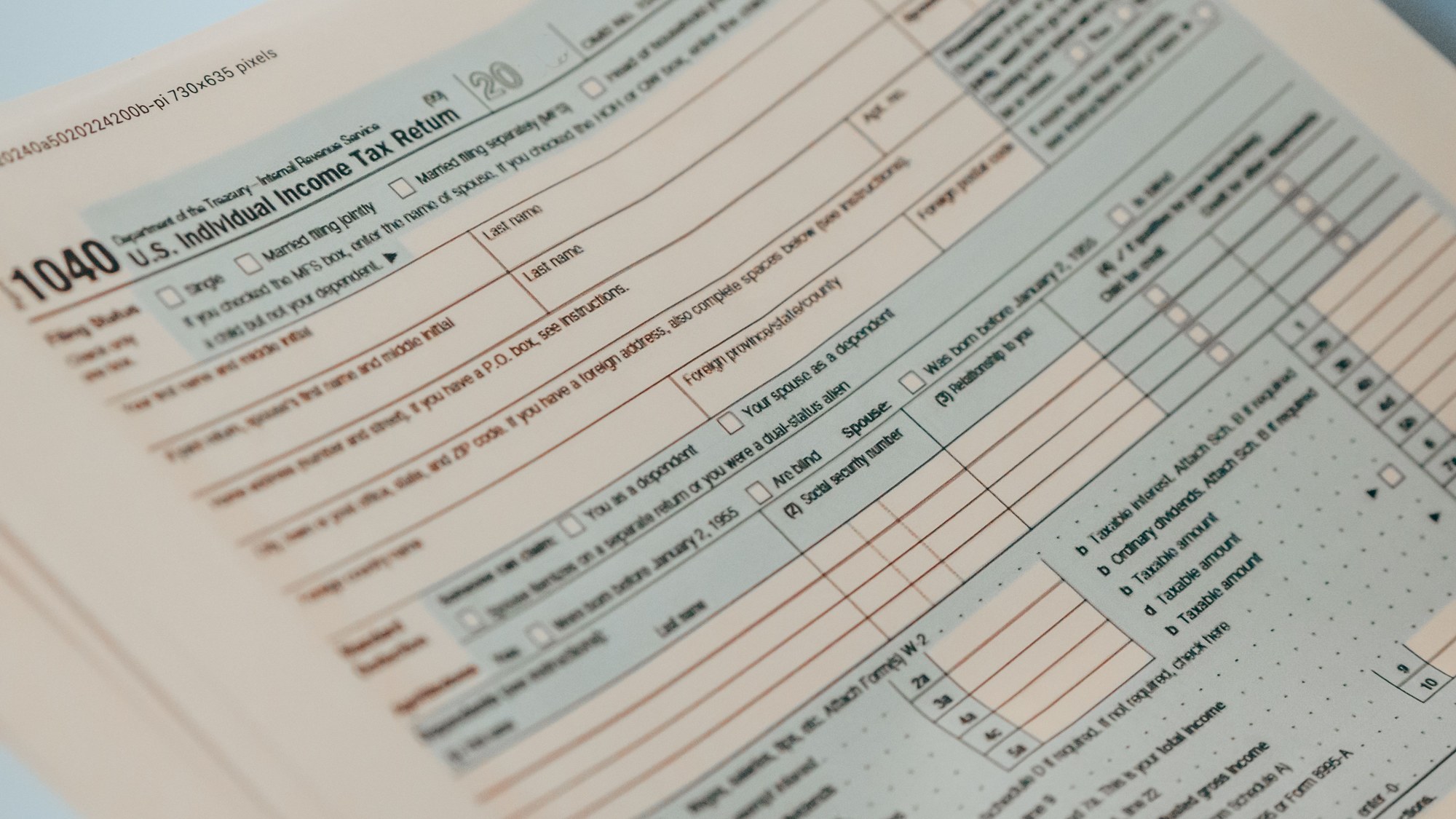
Starting May 1, 2027, an IRA owner who misses the 60-day window to roll over a distribution will be able to apply to the IRS for a waiver through a new correction program, at a set fee of $3,500 for requests filed before 2028. The program replaces the private letter ruling as the way to ask. Until it opens, nothing changes for anyone who misses the deadline today, and the older route is still the one to use.
What the new IRA program is
The IRS and Treasury announced it on Oct. 22 as Revenue Procedure 2026-33, the IRA Compliance Resolution System. It is modeled on the correction system employer plans have used for years and rests on the SECURE 2.0 Act of 2022.
It lets IRA custodians and owners request correction of certain inadvertent failures, mainly those caused by a service provider’s error, and it adds a process for asking that the 60-day rollover rule be waived. IRS Chief Executive Officer Frank J. Bisignano said the procedures are meant to make complying with the nation’s tax laws easier.
The free route that already exists
Most people who miss the deadline for an ordinary reason never need either of those. A saver who is late can self-certify that a listed reason, such as an error or illness, prevented the rollover, using the model letter in Revenue Procedure 2016-47 or a substantially similar letter. The letter goes to the receiving financial institution, the IRS charges no fee, and the rollover should be completed as soon as practicable, usually within 30 days after the reason ends.
Retirement deadlines, in your inbox: Miss an enrollment or claim deadline and the money can be gone. Join the Retirement Money Brief and we’ll send you our 2026 Retirement Tax, RMD & Medicare Deadline Calendar as a welcome gift.
Get the Brief + the deadline calendar →
We may earn a commission from links on this page.
Self-certification is not a waiver from the IRS. An auditor can later find a saver did not qualify, leaving back taxes and penalties, and an institution is not required to accept a late rollover. An automatic waiver, with no filing at all, applies when a financial institution’s error is the sole reason the money was not deposited and it is deposited within a year of the start of the 60-day period.
The IRS says these routes stay in place and remain free under Revenue Procedures 2020-46, 2016-47 and 2003-16. The IRS waiver FAQ lists the conditions in full.
Ask for a fix is an application, not a self-correction
The wording matters. The revenue procedure says self-correction of IRA failures is not available under the new system at this time, so the program works as an application the IRS reviews. For a rollover waiver, the IRA owner must be the applicant, not the custodian, and may name a representative on Form 2848.
The request goes in electronically on Form 15443 through Pay.gov, with no paper filing. It must give the distribution amount and date, any withholding, the reason the rollover was not completed and the account that will receive the money. The standard is whether denying the waiver would be against equity or good conscience.
What the private letter ruling costs today
Savers who cannot use the free route now have to request a private letter ruling, and the IRS says that carries a $10,000 user fee. The new program is set at $3,500 for regular submissions filed before Jan. 1, 2028, with later fees to come from a separate annual revenue procedure that the IRS has not yet published for that year.
The handoff is gradual. During 2027, a saver may use either the new program or a letter ruling under that year’s ruling procedure. Starting in 2028, the new program is expected to be the only option, which is why the IRS describes the change as a move during 2027 and 2028 and not an overnight switch.
What else the program fixes
The 60-day waiver is only one piece. The revenue procedure also covers three service-provider errors: a missed required minimum distribution, an IRA opened as the wrong type, and a distribution to a nonspouse beneficiary that should have gone into an inherited IRA. Each carries its own correction, such as paying the missed distribution out with earnings.
The IRS has asked for public comment on both new programs, so details could still shift before May 2027. The agency’s retirement plans pages will carry the final forms and instructions.
Moving IRA money before the new program opens?
A blown rollover turns an IRA distribution into taxable income, and the 10% additional tax can follow for savers under 59 and a half. The tax lands in the same year as every other income line, which is where a bad month for paperwork becomes a bad year for brackets.
“The Roth Conversion Window” covers the deliberate version of moving IRA money, with “finding your window: the years before Social Security and RMDs,” and it sets out the 11 moves with a worked example and a room finder worksheet. It also explains why a conversion cannot be undone, which is the opposite of a rollover that can still be rescued.
Plan the IRA move on purpose with the Roth window guide →
This article was produced with AI assistance and edited for accuracy against the sources linked above.