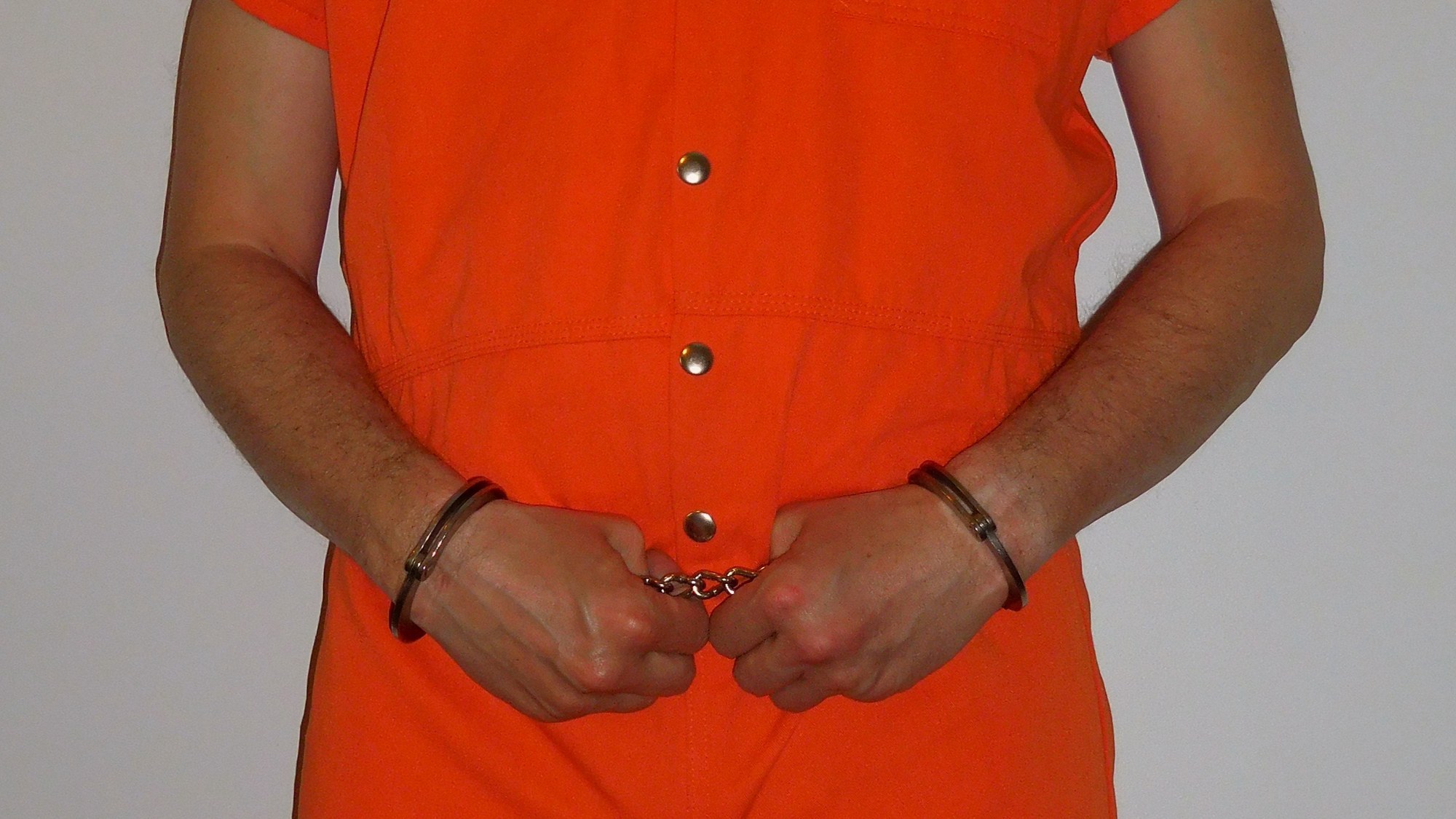
A federal courtroom in San Diego will close one chapter of one of the largest elder-fraud prosecutions the region has produced in years when the man prosecutors say served as the collection point for more than 2,000 cash packages mailed by older victims stands for sentencing later this month. Hua Wang, 48, of Flushing, New York, admitted his role in a scheme that pulled roughly $64 million from victims nationwide, many of them convinced they were dealing with tech-support technicians, government officials or bank employees. His sentencing hearing is set for September 18, closing in on a case that has already produced guilty pleas from ten of his co-defendants.
A Guilty Plea to a Multi-Year Fraud and Money-Laundering Conspiracy
Wang pleaded guilty in the U.S. District Court for the Southern District of California to conspiracy counts covering wire fraud, mail fraud and money laundering, admitting his participation in the scheme ran from 2019 through 2023. Prosecutors describe him as the defendant responsible for gathering more than 2,000 cash packages that elderly victims across the country sent in response to the fraud, a role that put him at the center of a case federal investigators say caused $64 million in confirmed victim losses.
The Internal Revenue Service’s Criminal Investigation division, which worked the case with federal prosecutors, credited the plea as part of a broader multinational fraud and money-laundering ring built around a network of individuals coordinating the collection and movement of victims’ cash, according to the agency’s own summary of the case.
Free retirement updates: Plain-English updates on the changes, deadlines, and costly mistakes retirees miss, so more of a Social Security check and savings stays put. Subscribe free.
A Ring With More Than Two Dozen Defendants Charged
Wang is not the only defendant to admit guilt. The Department of Justice’s own title for the case, “Lead Defendant and 10 Others Plead Guilty,” reflects that ten co-conspirators entered guilty pleas in the same prosecution, admitting their own roles in the scheme. The department has said the wider investigation has led to charges against more than 30 defendants in total, a scale that places the case among the larger elder-fraud prosecutions to move through a single federal district in recent years.
Investigators describe the ring as a network rather than a single cell, with different defendants responsible for different pieces of the operation, from initial contact with victims to the collection and onward movement of the cash those victims were told to send. Independent scam-baiting investigators who publish videos exposing fraud call centers have also been credited with helping law enforcement identify some of the individuals later charged in the case.
Why the Scheme Targeted Older Americans
The scheme relied on victims believing they were speaking with a trusted authority. Conspirators posed as tech-support representatives, government officials or bank employees, using that credibility to convince victims their money was at risk and needed to be moved immediately. Elderly victims were the scheme’s primary target, a pattern consistent with what federal fraud investigators have described in related cases: older Americans are disproportionately targeted by impersonation schemes that manufacture urgency to bypass normal skepticism.
The Southern District of California’s fraud prosecutors have brought a string of related cases this year involving forged property documents, wire transfers and elder financial exploitation, and the prosecution against Wang and his co-defendants is among the largest by dollar figure to reach a guilty plea.
The Sentencing Set for September 18
Wang’s sentencing hearing is scheduled for September 18 before Judge Todd W. Robinson in San Diego federal court. The date has not moved since it was set, and no continuance has been publicly reported. He faces sentencing on the wire fraud, mail fraud and money-laundering conspiracy counts to which he pleaded guilty, with the court weighing the scale of the scheme, the number of victims and the dollar loss attributed to his role. His plea places him alongside the ten co-conspirators who have already admitted guilt, several of whom have separately appeared before the court in the weeks leading into his own hearing.
The Department of Justice has not announced additional guilty pleas or sentencing dates for the remaining defendants charged in the case as of early September.
This article was produced with the assistance of AI and reviewed by The Financial Wire editorial team.
More Financial Reading
- The ideal retirement withdrawal rate so your savings actually last
- How many CDs can you park at 1 bank? FDIC rules you must know