The 2025 tax law let millions of tipped workers deduct a chunk of their gratuities from federal income tax, a provision marketed as “no tax on tips.” The benefit is real, but it is capped and means-tested. It flattens once income rises past a set threshold and vanishes altogether for the highest earners, which reshapes who actually keeps the break.
How the Qualified-Tips Deduction Works
The provision comes from Section 70201 of the One Big Beautiful Bill Act and runs for tax years 2025 through 2028. The Internal Revenue Service allows employees and self-employed workers to deduct up to $25,000 in qualified tips a year, provided the tips are voluntary, paid in cash or charged by customers, and earned in an occupation the agency lists as customarily and regularly tipped. The tips must be reported on a Form W-2, Form 1099, or a similar statement, and the deduction is open to filers whether or not they itemize. A server who collects $18,000 in reported tips over the year can deduct the full amount, while one who takes in $30,000 is capped at the $25,000 ceiling and leaves the remaining $5,000 fully taxable.
Free retirement updates: A quiet rule change can shrink your Social Security or Medicare check, and no one warns you. The free Retirement Shield newsletter catches these early and tells you what to do. Get it free.
The $150,000 Income Threshold
The deduction is not unlimited by income. According to the Working Families Tax Cuts guidance, it phases out for taxpayers with modified adjusted gross income above $150,000, or $300,000 for a married couple filing jointly. The reduction is gradual, trimming the allowable deduction by $100 for every $1,000 of income over the threshold, so a single filer with $200,000 of modified adjusted gross income loses $5,000 of the maximum and can deduct no more than $20,000 in qualified tips. The design targets lower- and middle-income service workers, which is where the bulk of tipped income sits.
Which Occupations Count
Not every worker who receives a tip qualifies. The Internal Revenue Service published a list of occupations that customarily and regularly received tips on or before the end of 2024, covering roles such as restaurant servers, bartenders, barbers, hairdressers, and delivery drivers. Tips earned outside those recognized occupations, or amounts that are effectively mandatory service charges rather than voluntary gratuities, do not meet the definition of qualified tips. The gratuity must be paid voluntarily by the customer, in cash, by card, or through tip-sharing, and it has to be reported on a Form W-2, a Form 1099, or a similar statement for the worker to claim it. A separate integrity rule bars the deduction for tips earned in certain specified service trades and businesses, which keeps high-income professional fields from recharacterizing pay as tips.
Claiming It on Schedule 1-A
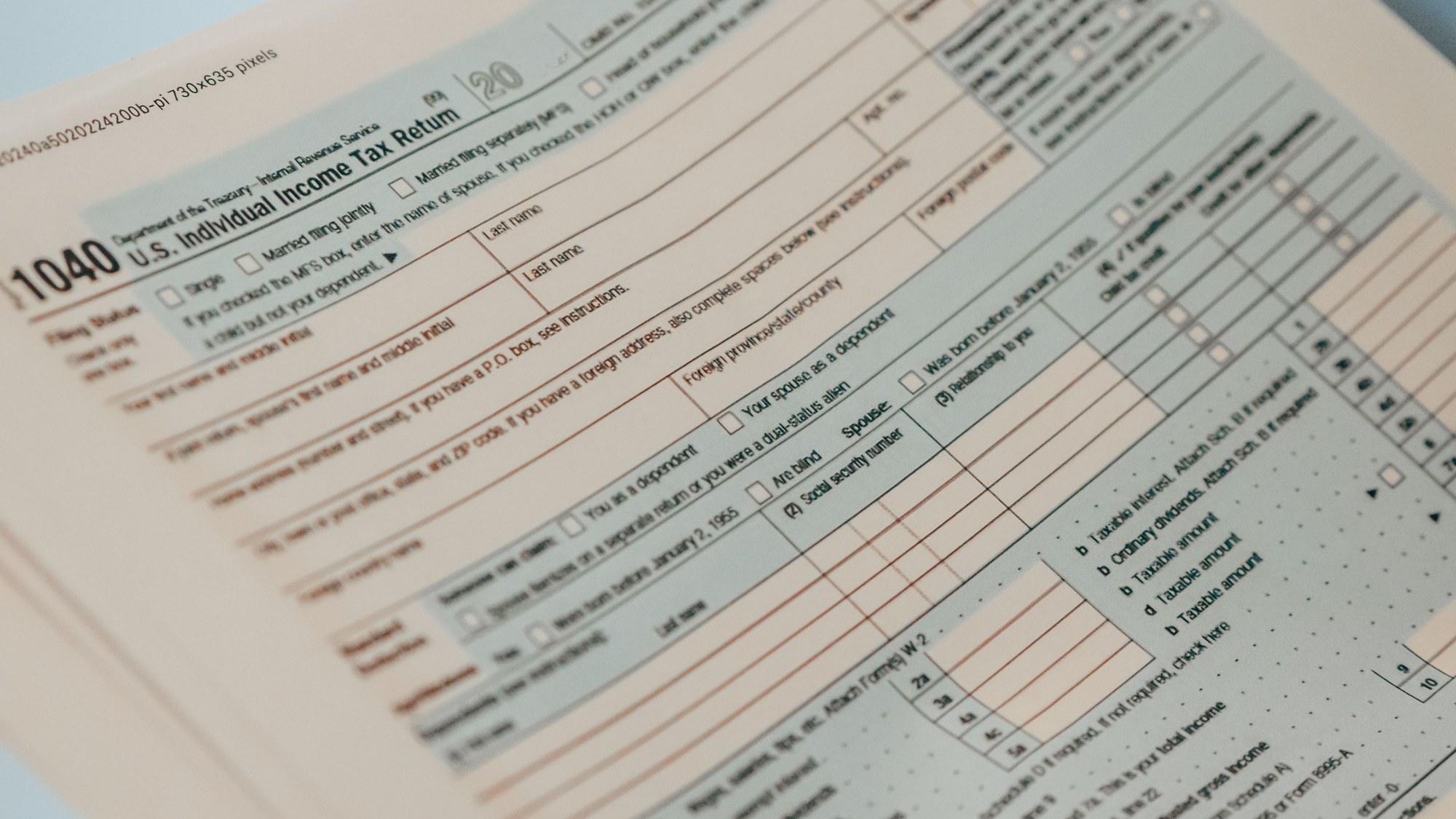
The deduction is reported on the new Schedule 1-A attached to Form 1040. The form instructions group it with the companion overtime and car-loan-interest deductions from the same law. Because the benefit is claimed at filing rather than through reduced paycheck withholding, workers see it as a smaller tax bill or a larger refund after the year ends, not as extra money in each pay period. Claiming the deduction requires a Social Security number on the return, and a married worker generally must file jointly to take it. A self-employed worker faces one more limit: the deduction cannot exceed the net income of the business in which the tips were earned.
Employer Reporting Makes It Possible
For an employee, the deduction depends on the paperwork an employer files. The Internal Revenue Service ties qualified tips to the amounts reported on a worker’s Form W-2, so tips that a server pockets but never reports to the employer do not become deductible simply because the law exists. The statute directs employers and other payers to separately identify qualified tips and the worker’s occupation on the information returns they issue. Because the reporting forms were not fully updated before the provision took effect, the agency has allowed transition relief for 2025, letting workers and payers use reasonable methods to determine the qualified-tip figure. A worker who keeps a personal record of daily tips has the backup needed if a W-2 figure has to be reconciled.
What Tipped Households Should Track
Payroll taxes still apply to tips even when the income-tax deduction does, so the label overstates the relief for many workers. For older Americans who wait tables or drive part-time on top of Social Security, the deduction can lower a federal tax bill within the cap, but a spouse’s income or a second job can lift a household past $150,000 and start eroding it. Clean records that separate qualified tips from wages and service charges are what determine how much of the $25,000 a worker can actually claim.
This article was produced with AI assistance and reviewed by The Financial Wire editorial team.
More Financial Reading
- What really happens to your joint savings account when you die?
- How many CDs can you park at 1 bank? FDIC rules you must know