Out of every dollar the average American household brought home after taxes in April 2024, just 3.6 cents went into savings. The rest vanished into rent, groceries, gas, and debt payments. That rate, reported by the Bureau of Economic Analysis, was the lowest the country had seen since the months leading up to the 2008 financial crisis. Two years later, in mid-2026, the figure still stands as a warning marker: the moment when a prolonged drawdown of American household resilience became impossible to ignore.
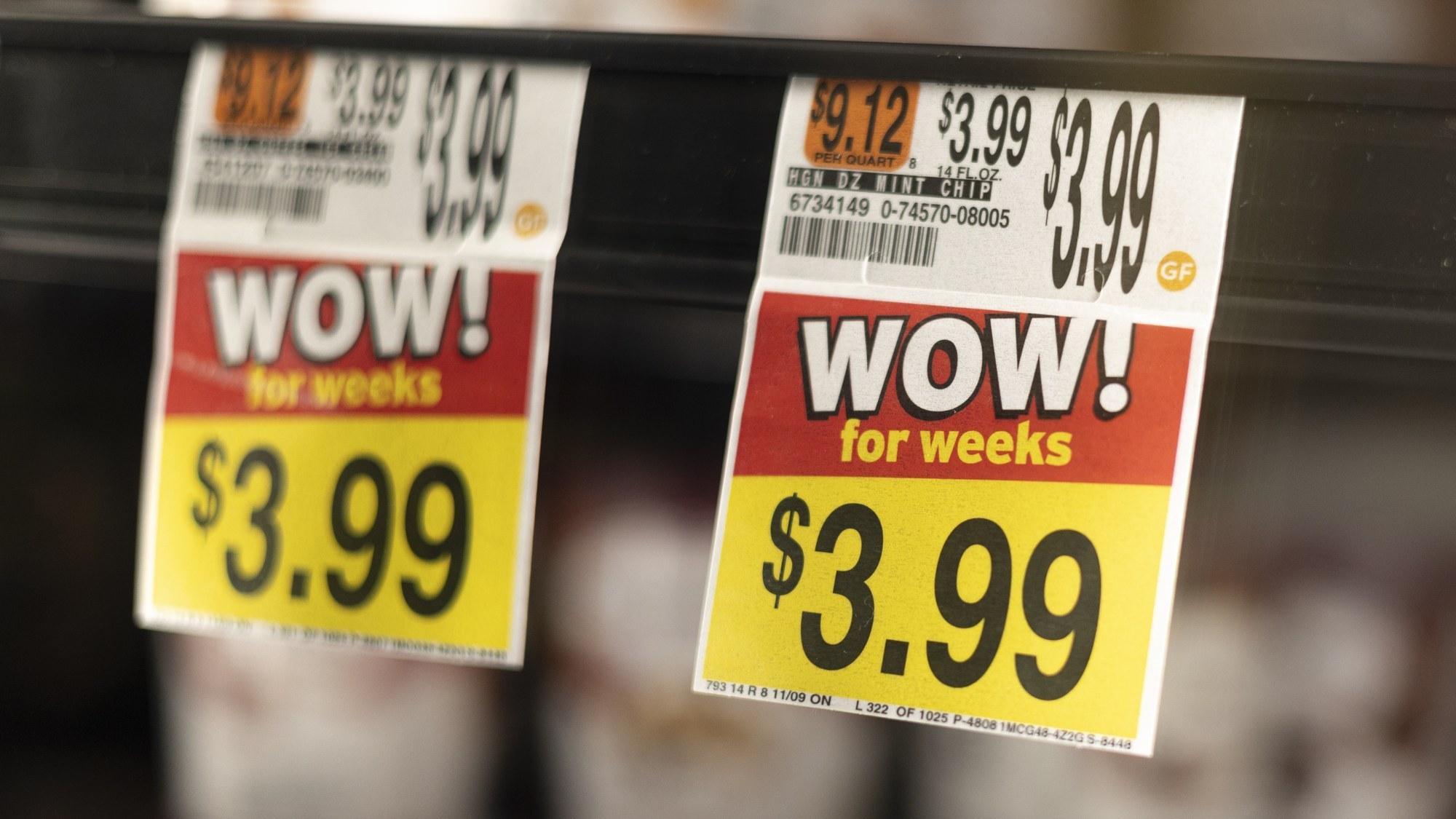
Two consecutive inflation reports from the Bureau of Labor Statistics helped explain why. Consumer prices rose 3.5% year over year in March 2024 and 3.4% in April, with housing and fuel costs swallowing a growing share of household budgets. Wages were technically rising, but not fast enough to outrun those increases. The result was a slow-motion squeeze that left millions of families with almost nothing to set aside for emergencies, retirement, or anything beyond next month’s bills.
How the savings cushion disappeared
The 3.6% reading did not appear out of nowhere. It was the endpoint of a steady decline that accelerated after the pandemic-era savings glut ran dry. Between 2020 and 2021, stimulus checks, expanded unemployment benefits, and reduced spending opportunities had pushed the personal saving rate above 20% at its peak. Households accumulated roughly $2.1 trillion in excess savings, according to estimates from the Federal Reserve Bank of San Francisco. By early 2024, researchers at the San Francisco Fed concluded that stockpile had been largely exhausted.
The BEA’s April 2024 personal income and outlays report put total personal saving at $744.5 billion on an annualized basis. That was not a one-month anomaly. The saving rate averaged 3.6% across the entire first quarter of 2024, down from 4.0% in the fourth quarter of 2023, a slide tracked in the BEA’s official data series. The historical average over the past several decades has hovered around 7% to 8%, meaning households were saving at roughly half the normal pace.
To find a lower reading at that time, you had to go back to 2005 through 2007, when the saving rate dipped below 3.5% during the housing bubble. That comparison was uncomfortable then and remains so now: that earlier stretch of rock-bottom savings preceded the worst financial collapse in a generation.
Back-to-back inflation reports showed the pressure in real time
The March 2024 CPI report showed consumer prices rising 0.4% in a single month, with shelter and gasoline together responsible for more than half of that increase. On a 12-month basis, prices were up 3.5%, nearly double the Federal Reserve’s 2% target.
The April 2024 CPI report brought only marginal relief. The annual rate ticked down to 3.4%, but core inflation, which strips out volatile food and energy prices, remained stuck at 3.6% year over year. Shelter costs alone rose 5.5% compared with the prior year, a category that represents roughly one-third of the entire CPI basket and hits renters and recent homebuyers hardest.
The BEA’s own inflation gauge, the Personal Consumption Expenditures price index, confirmed the picture. The PCE index rose 0.3% from March to April 2024, with energy prices within that measure jumping 1.2% in a single month. Food prices dipped 0.2%, one of the few line items offering any breathing room at all.
Paychecks grew on paper but not in practice
Inflation alone did not drain savings accounts. The deeper problem was the gap between what prices were doing and what paychecks were doing. BLS data for the spring of 2024 showed that real average hourly earnings, adjusted for inflation, were growing at roughly 0.5% year over year, a pace so slow it barely registered in household budgets. Nominal wages were climbing, but price increases consumed nearly all of the gain.
For workers in lower-wage service industries, the math was often worse. Housing and transportation costs, which are less discretionary than dining out or streaming subscriptions, consumed a larger share of their income. When rent takes 40% or more of a paycheck, there is no line item left to cut.
Consumer debt reflected the strain. Data from the Federal Reserve Bank of New York’s Quarterly Report on Household Debt and Credit showed that total credit card balances reached $1.14 trillion in the first quarter of 2024, a record at the time. Delinquency rates on credit cards also ticked higher, a signal that some households were not just failing to save but actively borrowing to cover everyday expenses.
What the national average hides
The 3.6% saving rate is a national average, and averages can obscure as much as they reveal. Neither the BEA nor the BLS publishes monthly breakdowns by income bracket or region. A single parent earning $40,000 in a high-cost metro area and a dual-income household earning $200,000 in a lower-cost suburb are both folded into the same number, even though their financial realities share almost nothing in common.
Survey data from the Federal Reserve’s 2023 Survey of Household Economics and Decisionmaking, published in May 2024, added texture the headline figure could not. That survey found 37% of American adults said they would struggle to cover an unexpected $400 expense with cash or its equivalent. For households already operating without a buffer, the savings rate dropping to 3.6% was not an abstract statistic. It was confirmation of a reality they were already living.
Federal Reserve policymakers, for their part, did not draw a direct public line between the falling saving rate and their interest-rate decisions during that period. The Fed watches the PCE index as its preferred inflation measure, and the April 2024 reading sat in a gray zone: too high to justify rate cuts, but not accelerating fast enough to demand further hikes. Whether the savings squeeze factored into those deliberations remains a matter of inference, not confirmed policy.
Why a 2024 data point still resonates in 2026
A low saving rate during a period of strong job growth and rising asset prices can look benign on the surface. Unemployment in April 2024 stood at 3.9%, and the S&P 500 was near record highs. But those headline figures masked a vulnerability: when households have almost no financial cushion, any disruption, whether a job loss, a medical bill, or a broader downturn, hits harder and faster.
The last time the saving rate had been this low before 2024, the economy was roughly 18 months from a catastrophic recession. That does not mean the same sequence follows every time. But it does mean the margin for error was, and for many families may still be, razor thin. Households spending 96 cents of every after-tax dollar had almost no room to absorb a shock, and the inflation data from early 2024 showed the cost pressures pushing them to that edge were not fading quickly.
April 2024 was not the start of the problem. It was the moment the data caught up with what grocery receipts, rent notices, and credit card statements had been saying for months: for a large share of American households, saving money had become a luxury they could no longer afford.