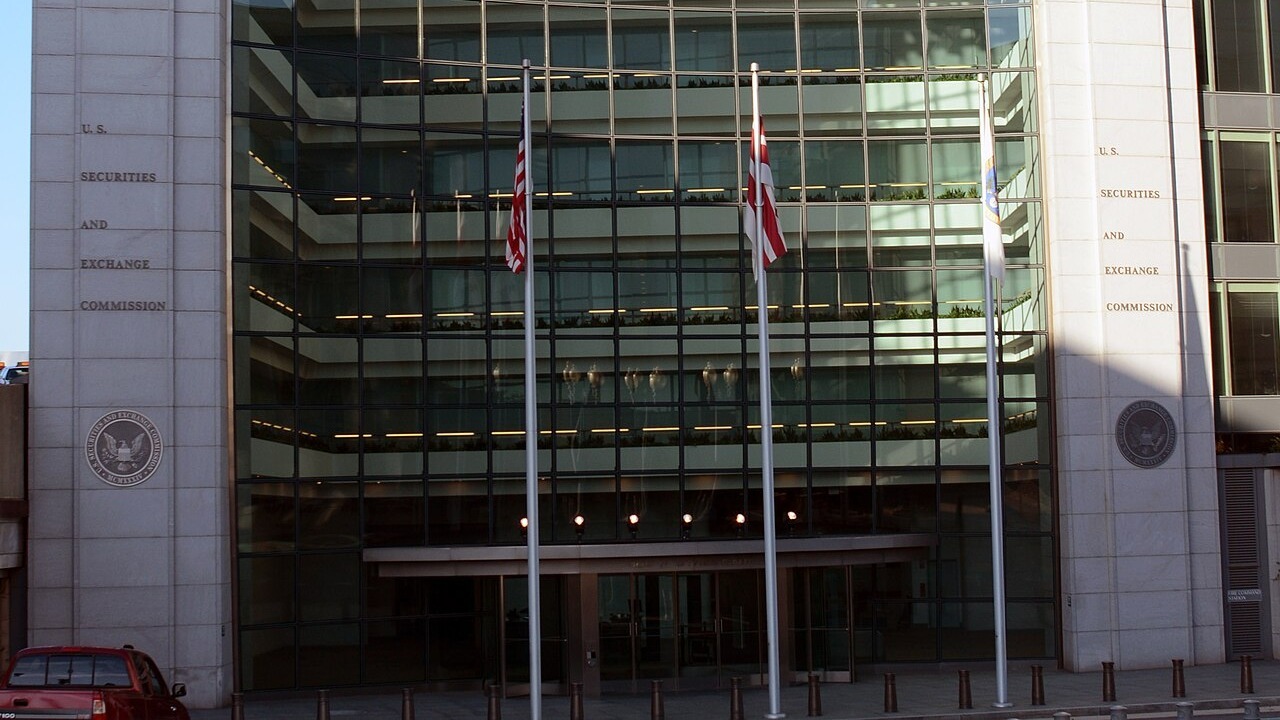
Federal regulators have charged five unregistered brokers and four companies for raising at least $528 million from more than 4,000 investors worldwide through a pre-IPO fraud scheme that operated between approximately March 2019 and July 2022. A parallel criminal indictment names Raymond John Pirrello Jr., the founder and executive of Prior2IPO, on three counts including securities-fraud conspiracy, wire-fraud conspiracy, and securities fraud. The case exposes how a decentralized network of sales offices pitched “no upfront fee” stock deals while allegedly hiding built-in markups on shares of late-stage private companies.
How unregistered brokers raised $528 million through pre-IPO pitches
The scale of the alleged fraud sets it apart from smaller pre-IPO enforcement actions. According to the SEC’s litigation release, defendants used a nationwide network of unregistered sales agents to sell unregistered offerings of pre-IPO securities, collecting funds from investors spread across multiple countries. The operation promised access to shares in companies approaching public listings, a pitch that carried built-in appeal for retail buyers hoping to get in before an IPO pop.
The “no fee” claim was central to the sales pitch. But the grand jury indictment filed in the Eastern District of New York describes text-message pricing instructions that allegedly allowed managers to set and adjust markups on shares in real time. Those markups were never disclosed to buyers, according to prosecutors. The indictment details how sales offices received stock lists with pricing that already embedded the hidden cost, so investors believed they were paying market rates for pre-IPO shares when they were actually absorbing undisclosed spreads.
Regulators say the defendants also misled investors about the nature and safety of the investments themselves. The SEC’s complaint alleges that sales agents touted imminent IPO timelines and implied that investors were getting access to the same shares held by sophisticated institutions. In reality, investors were often purchasing interests through complex vehicles that carried additional risks and costs. The offerings were not registered with the SEC, and the brokers themselves were not registered, depriving investors of the protections that come with regulated intermediaries.
Text-based pricing and the speed of a decentralized sales operation
The text-message pricing mechanism described in the indictment raises a question that extends beyond this single case. A sales infrastructure built on remote offices and instant digital pricing instructions can shift to new stock names quickly, without the compliance friction that registered broker-dealers face. Each time a new late-stage company attracted investor interest, the operation could add it to the list and distribute updated pricing through the same informal channels.
According to the Department of Justice, the sales offices operated over roughly three years, a period that coincided with intense enthusiasm for late-stage private technology companies. The ability to push out new stock lists by text meant that salespeople could pivot as headlines changed, emphasizing whichever private issuers were generating the most buzz. That speed, combined with the promise of “no commissions,” helped the scheme scale from individual pitches to a global investor base in a relatively short time.
The decentralized structure also made oversight more difficult. With multiple offices and layers of agents, investors might not have understood who actually controlled their funds or sourced the purported pre-IPO shares. Regulators say that opacity was not accidental: it allowed the organizers to maintain centralized control over pricing and markups while keeping the public face of the operation focused on relationship-driven sales.
Regulatory response and investor warnings
The SEC has flagged a broader pattern. In a separate action, the agency charged additional individuals in the New York metropolitan area for another large pre-IPO fraud, linking it to the same enforcement push against unregistered offerings. Taken together, the cases signal that regulators view pre-IPO hype as a fertile ground for abuse, especially when salespeople operate outside the registered broker-dealer framework.
To address those risks, the SEC has issued an investor alert on pre-IPO scams that warns that legitimate private placements are generally restricted to accredited investors and must comply with strict disclosure and exemption requirements. The alert, hosted on the agency’s investor education site, urges the public to be skeptical of cold calls promising access to “can’t-miss” pre-IPO shares, to verify whether a salesperson is registered, and to question any offer that emphasizes urgency or secrecy around pricing.
The enforcement actions against Pirrello and his co-defendants underscore that message. Regulators are not only targeting outright fabrications about pre-IPO opportunities but also undisclosed markups, misleading fee claims, and the use of unregistered intermediaries. For investors, the case is a reminder that exclusivity and early access-especially when wrapped in complex structures and aggressive marketing-can mask conflicts of interest and hidden costs.
As the pre-IPO market continues to attract attention, authorities are likely to scrutinize similar sales models that blur the line between private placements and mass marketing. Whether through text messages, social media, or offshore call centers, schemes that promise frictionless entry into late-stage private companies now face a clearer roadmap for regulatory challenge. For retail investors, the safest response to unsolicited pre-IPO pitches may be the simplest: hang up, log off, and verify before sending any money.