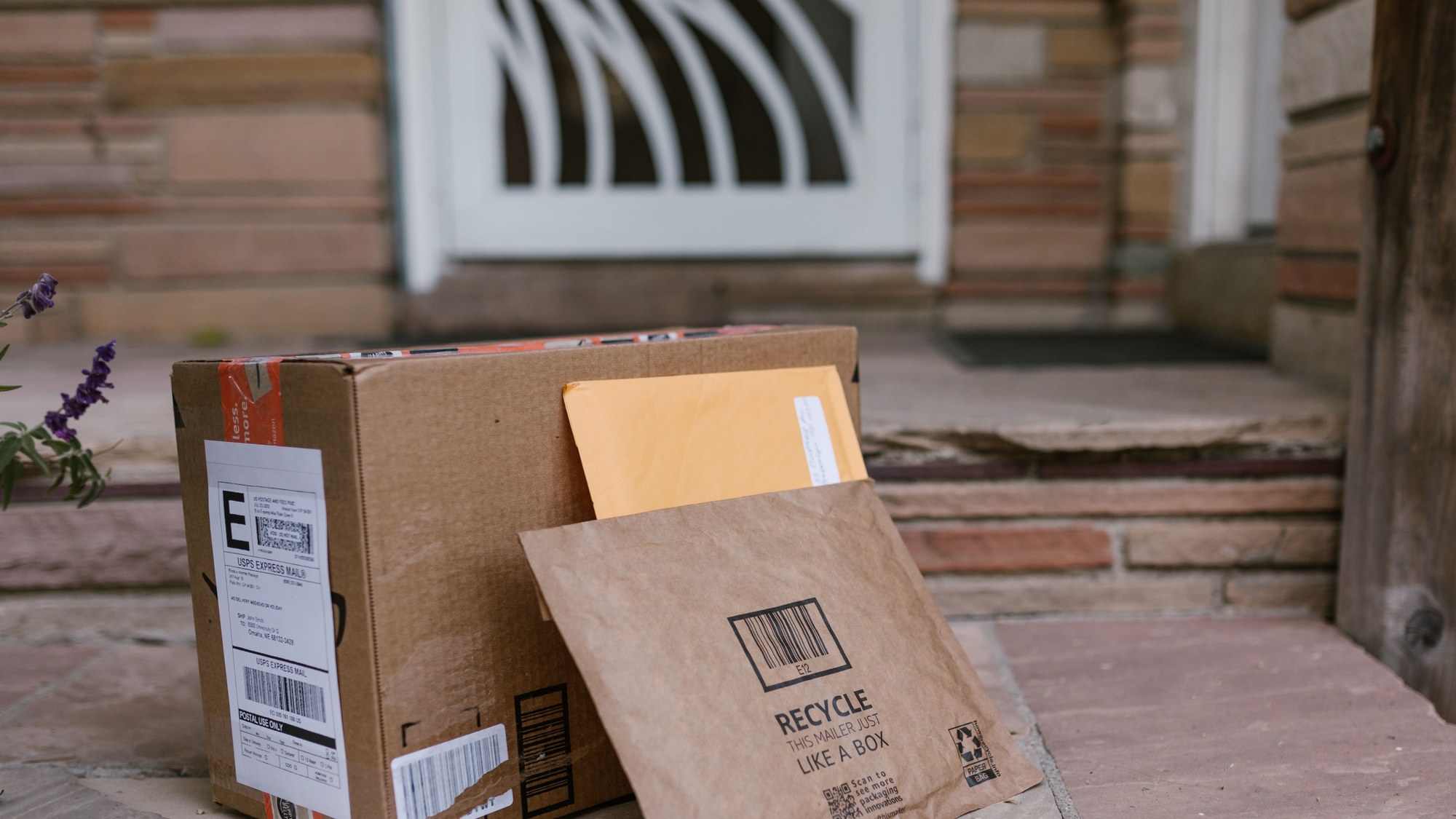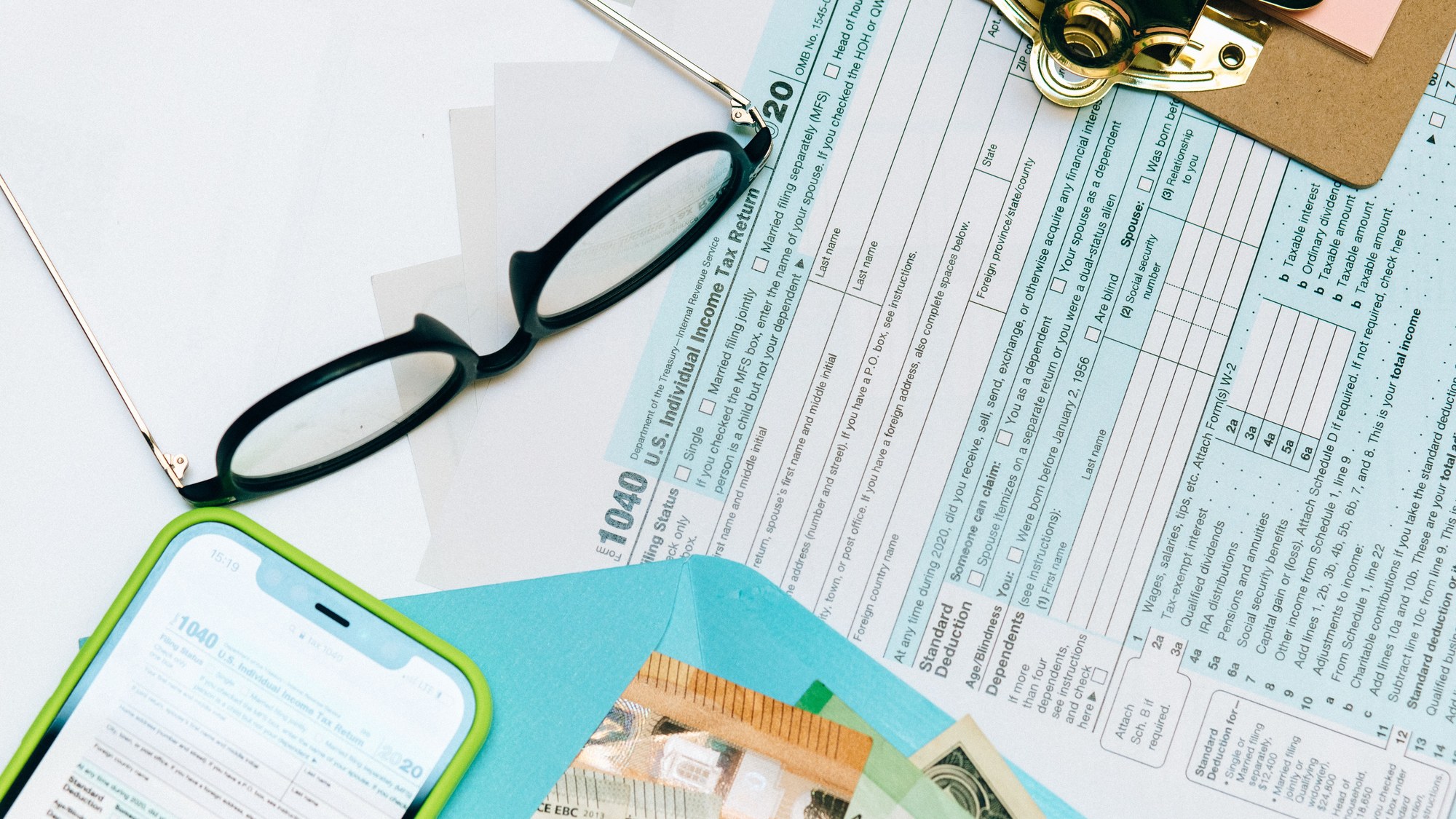
A letter that asks for bank details and points to a QR code is exactly what scammers are copying, and the Taxpayer Advocate Service says the way to tell is to check an IRS account rather than trust the letter. In a tax tip, the service says scammers are looking to capitalize on confusion over the IRS’s CP53E notice, which asks people to update the bank account for a refund. A real one can be confirmed by signing in to an IRS online account.
The IRS says the notice is sent when a return shows a refund but the bank information is missing, invalid or rejected. The agency gives the recipient 30 days to add an account through the online account, and if nothing is done the IRS mails a paper check after six weeks. Fake versions try to get someone to hand over banking details before any of that happens.
The question for anyone holding a CP53E is which of its instructions can be trusted. The Taxpayer Advocate Service says to check the IRS online account to learn whether the notice is valid, because that is where a real one shows up. A scammer’s notice will not appear there, and the service says the online account is the only place banking information can be updated.
Stay ahead of government payment news: Miss an enrollment or claim deadline and the money can be gone. Join the Retirement Money Brief and we’ll send you our 2026 Government Check Reality Tracker as a welcome gift.
Get the Brief + the check tracker →
We may earn a commission from links on this page.
What gives a fake CP53E away?
The IRS says it “will not ask you to submit your banking information via email, text, or over the phone,” according to the tax tip. Anyone who gets a call, text or email asking for account numbers after a CP53E arrives is dealing with someone other than the IRS. The tip also lists the older pressure tactics: demands for payment by prepaid debit card, gift card or wire transfer, payment requests to anyone other than the U.S. Treasury, and threats of immediate arrest.
The service adds that fake notices “may point you to malicious websites that are made to look as though they are the real IRS website.” The IRS page on the notice makes the same point about links and QR codes: before using one, check for the lock icon or https://, and make sure the address includes .gov.
Why are the fakes so hard to spot?
The real notice has features that look suspicious by themselves. It arrives on paper, it asks for bank information, it carries a deadline, and some legitimate copies include a QR code that leads to IRS.gov. The Taxpayer Advocate Service says the real notice also lists an information-only number, 866-325-4066, that plays recorded explanations but does not transfer callers to a representative or take deposit details.
The Journal of Accountancy reported in May that Brinker Simpson, a Pennsylvania accounting firm, warned scammers were producing convincing fake notices. The firm said the IRS’s use of QR codes on some real mail “makes the fakes harder to spot at a glance.” Sadie Richardson, a CPA at Tax Specialists of Northern Colorado, told the publication she did not scan the code on a client’s notice and helped about six clients check their IRS accounts instead.
How can a real notice be confirmed?
The tip says to sign in to an IRS online account and look at the notices there. The IRS describes the account as the place to view digital IRS notices and check refund status. The IRS notice page says employees cannot change bank information over the phone, so a caller who offers to do it is not IRS staff.
The tax tip also points to Where’s My Refund? for refund status and the IRS’s main number, 1-800-829-1040. For anyone who does not think a refund is due, it says the notice may stem from a processing error or adjustment, and if the notice was received in error it can be ignored.
Why did the IRS start sending CP53E notices?
The Journal of Accountancy reported that the IRS created the notice as part of a shift from paper checks to electronic payments under Executive Order 14247. A House Ways and Means Committee letter to Treasury Secretary Scott Bessent put the number of taxpayers who had received one at an estimated 1.4 million as of March, the publication said. Treasury did not respond to its request for comment.
Some of those notices went out in error, including cases where an overpayment was scheduled to apply to 2026 estimated tax or where a balance was actually due. The AICPA advisory the publication cited says the IRS is not recommending further action on those until it issues new guidance. Mark Gallegos, a tax partner at Porte Brown in Elgin, Ill., said several clients without IRS online accounts received fraudulent notices, and he offers to help them set up an ID.me account rather than have them scan codes.
What happens after a real notice is answered?
The tax tip says the notice is issued only once, and the IRS says a taxpayer gets one chance to add or update the account, and a mistake cannot be corrected afterward. The account must be in the taxpayer’s name or a joint account the person shares, or the IRS issues a paper check instead. A refund can also be reduced if the person has other debts that the IRS is allowed to collect.
That single chance is the reason a rushed answer to a fake can cost the most. Someone who types a routing number into a copycat site has given it away, while someone who signs in at IRS.gov directly sees the real notification and its 30-day window. The IRS says refund status may take two to five business days to update after the bank information is added.
Could a thief use a fake CP53E to get into the accounts behind your refund?
A copied CP53E aims at the bank logins and tax accounts tied to a refund. Once a scammer has a routing number or a password typed into a fake IRS page, the refund is not the only thing at risk.
Scam-Proof Your Accounts in a Weekend lays out ten moves to lock the ways scammers reach money. It includes how to lock your bank logins with two-step login, alerts and a verbal password, and how to get an IRS Identity Protection PIN so no one can file a return in your name. The guide runs 13 pages and is set up in weekend order.
Lock your bank logins and get an IRS PIN with the Scam-Proof weekend guide →
This article was produced with AI assistance and edited for accuracy against the sources linked above.