Every year, thousands of paper checks disappear between the mailbox and the bank, only to resurface with a different name and a different dollar amount written across the same piece of paper. Federal investigators call the scheme check washing, and it turns an ordinary bill payment or rent check into a blank canvas for a thief. Because so many retirees still mail checks for rent, utilities, and charitable gifts, the scheme has become a persistent drain on fixed incomes rather than a rare or one-time event.
How the Postal Inspection Service Tracks Check Washing
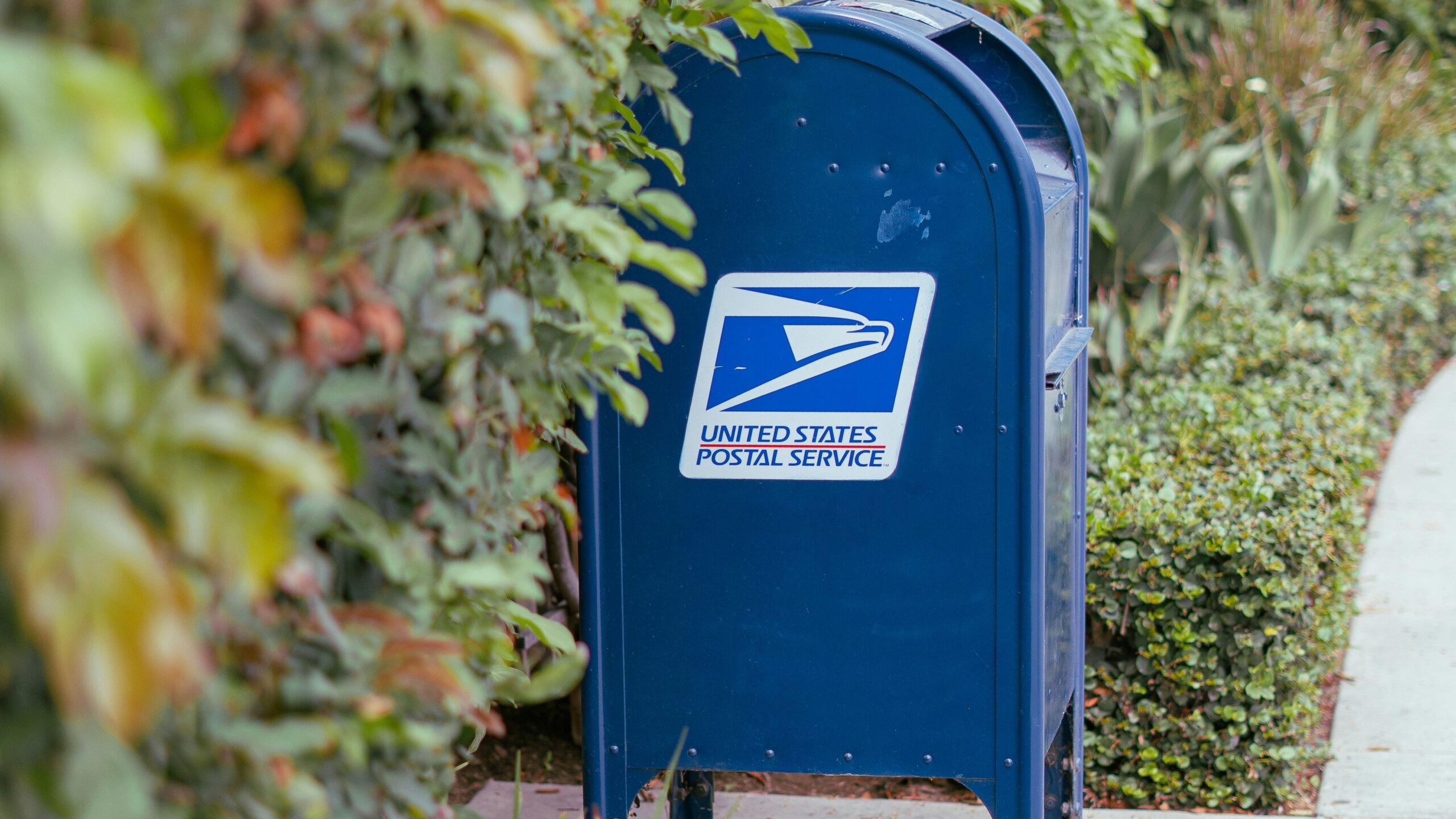
Check washing starts with theft, not chemistry. Criminals pull outgoing envelopes from residential mailboxes, cluster-box units, or blue collection boxes, then use solvents such as acetone or bleach-based cleaners to lift the ink from the payee line and the amount field. The paper, the check number, the routing information, and the original signature survive the process untouched, which is what makes a washed check so difficult for a bank teller to catch at a glance.
The scale of the problem is large enough that the U.S. Postal Inspection Service tracks it as a standing enforcement priority rather than a seasonal spike. Postal Inspectors recover more than $1 billion in counterfeit checks and money orders every year, a figure the agency attributes in part to organized rings that specifically target outgoing mail streams. Some of the same crews also photocopy or scan stolen checks to print duplicate counterfeits, meaning a single stolen envelope can spawn more than one fraudulent instrument before a victim ever notices funds are missing.
Free retirement updates: Social Security and Medicare change every year, and nobody sends you a memo. Our free Retirement Shield newsletter breaks down what changed and what to do. Get it free in your inbox.
Why Retirees’ Mailed Checks Draw Organized Theft Rings
Older Americans remain a disproportionate target for check washing for a simple reason: paper checks still make up a larger share of their monthly bill payments than they do for younger households, and a mailed rent, mortgage, or property-tax check often sits in a box for hours before a carrier arrives. The U.S. Postal Inspection Service’s guidance for older Americans notes that scammers are drawn to the pensions and life savings retirees have spent decades building, and that social isolation and limited mobility can make it harder for a victim to notice a missing payment or an unauthorized withdrawal until real damage is done.
The financial fallout from a single washed check can extend well beyond the altered amount. Once a stolen check is in criminal hands, it also hands over a bank account number, a routing number, a signature sample, and often a home address, all of which can be reused or resold for further fraud. A retiree living on a fixed monthly benefit has little room to absorb a drained checking account while a bank investigates a disputed transaction, which is why postal investigators treat prevention, not just prosecution, as the frontline defense.
The Ink, Deposit, and Mailbox Habits Postal Inspectors Recommend
Postal Inspectors point to a handful of low-cost habits that meaningfully reduce the odds of becoming a target. Writing checks with a gel-ink pen makes the ink bond more deeply into the paper fibers, so common solvents are less able to lift it cleanly. Filling every blank space on the payee and amount lines, rather than leaving room where extra digits or names could be inserted, closes another common alteration method. According to the Postal Inspection Service’s official check-washing guidance, outgoing mail is safest when it goes into a blue collection box before the last scheduled pickup of the day, or is handed directly to a retail counter clerk, rather than sitting overnight in a home mailbox or an apartment cluster box.
Travelers face an added risk window. A hold-mail request filed with the local post office, or a trusted neighbor collecting mail daily, closes the multi-day gap when an empty mailbox otherwise advertises an unattended home and an accumulating stack of checks and statements. None of these habits require new technology or added expense, and the Postal Inspection Service frames them as the first line of defense precisely because they can be adopted the same day a bill is written.
Replacing Paper Checks With Electronic Bill Payment
The most durable fix is removing the paper check from the mail stream altogether. Online bill pay through a bank, a utility’s own autopay enrollment, or ACH-based electronic transfers never travels through a mailbox or a collection box, which eliminates the theft opportunity check washing depends on entirely. Many billers, from utilities to homeowners’ and condo associations, now offer free electronic payment options that settle directly between financial institutions rather than passing a physical instrument between hands.
For a mailed check that has already been compromised, the Federal Trade Commission directs victims to file a report and flag the fraudulent activity promptly, since early reporting improves the odds a bank can reverse a transaction before funds are fully disbursed. General reporting guidance and current scam alerts are maintained at the FTC’s Consumer Advice site, while mail-specific theft and check-washing incidents should go to the Postal Inspection Service directly through its online crime-reporting portal. Filing with both agencies feeds the same law-enforcement databases investigators use to identify the organized rings behind a given wave of thefts.
This article was produced with AI assistance and reviewed by The Financial Wire editorial team.
More Financial Reading
- How many CDs can you park at 1 bank? FDIC rules you must know
- The ideal retirement withdrawal rate so your savings actually last