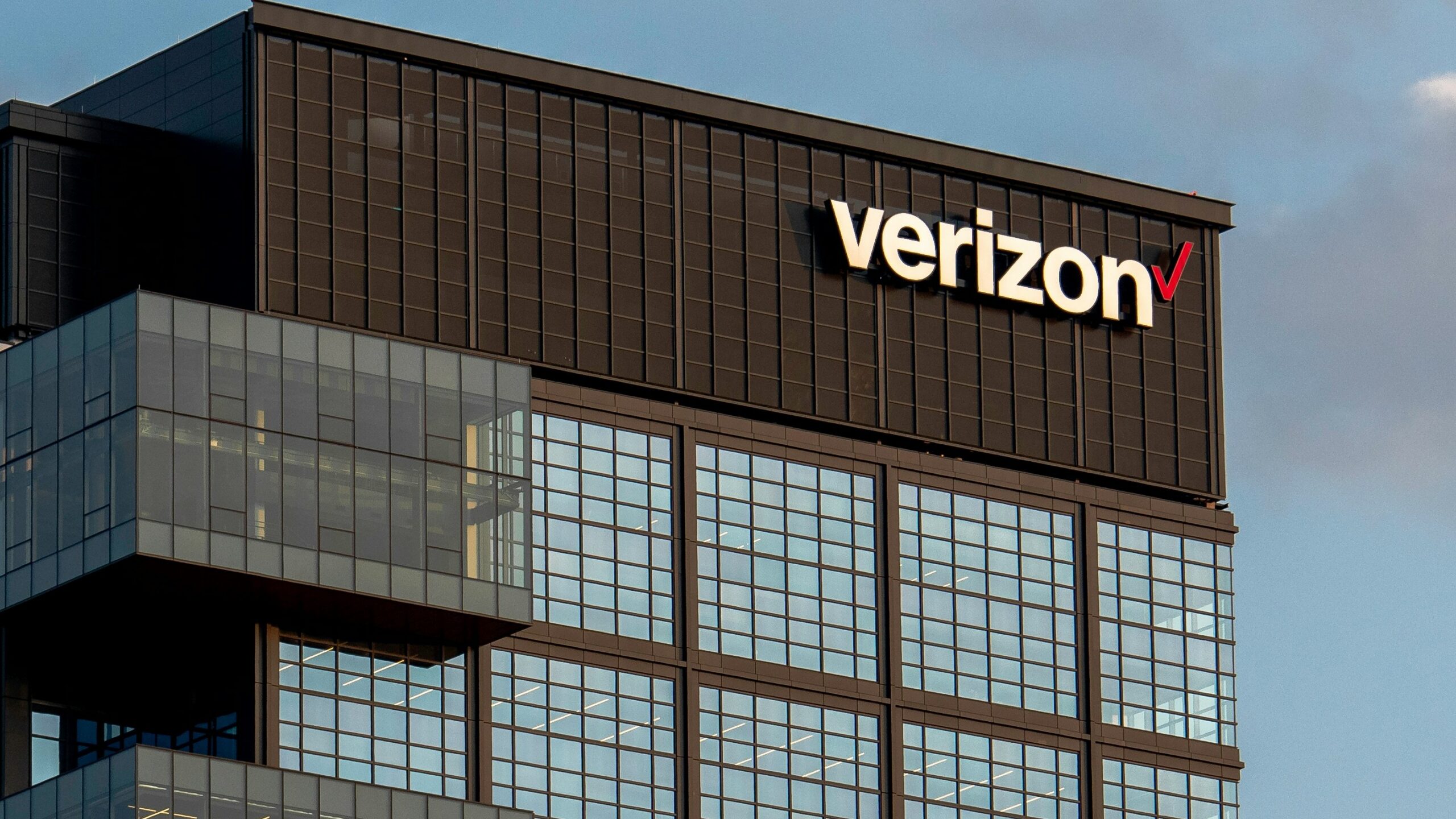
Verizon’s sale of 274 of its own retail stores took effect on Aug. 16, 2026, shifting those locations from company ownership to a handful of outside operators who will run them as authorized retailers. The change also eliminated about 500 corporate positions, part of roughly 3,000 jobs the company says are affected in total. For a customer who has walked into one of these stores for years to pay a bill, get a phone fixed, or ask a question about a plan, the more useful question is not how many jobs moved, but what changes behind the counter.
274 Stores Change Ownership, Not Verizon’s Network
Verizon confirmed it is selling 274 company-owned retail locations to about six different companies, which will continue operating them as authorized Verizon retailers rather than closing them. Verizon spokesman Rich Young told Fierce Network that roughly 3,000 jobs are affected altogether, including 2,500 retail employees and about 500 corporate positions eliminated as part of the company’s broader restructuring under CEO Dan Schulman. After the change, Verizon is left with roughly 1,000 stores it still owns directly.
Young said historically about 70% of retail employees at locations Verizon has sold in the past have gone on to work for the new operator, though that leaves a meaningful share of staff who do not make that transition. The company has described the store sales as separate from its earlier rounds of cuts, including a much larger layoff it announced last November, and said the latest changes are not related to AI-driven job elimination.
The move fits a broader pattern under Schulman, who took over as CEO in October and has pursued cost cuts alongside changes meant to simplify Verizon’s pricing and customer offerings. The company rolled out a revised pricing structure earlier this year that dropped certain activation and upgrade fees and introduced a rewards program for subscribers, changes the company has framed as part of the same push to reposition its retail and customer-service operations.
Free retirement updates: A quiet rule change can shrink a Social Security or Medicare check, and no one sends a warning. The free Retirement Shield newsletter catches these early and explains what to do. Get it free.
The Wireless Bill and Contract Stay With Verizon
Because these are sales rather than closures, the underlying service does not change hands along with the storefront. Reporting on the transition noted that the wireless service a customer signs up for is supplied by Verizon regardless of which storefront processed the sale, and that Verizon continues collecting on customer contracts no matter which entity owns the building where a plan was purchased. A billing question, a network outage, or a dispute over a monthly charge still routes back to Verizon as the carrier, not to whichever company now owns a particular store’s lease.
That distinction matters most for someone who associates a specific storefront with their account history. The store’s signage, staff, and ownership can change while the plan itself, its price, and its terms remain governed by the agreement made with Verizon, not with the local retailer now running the location.
In-Person Help May Look the Same, But the Staff Works for Someone Else
Coverage of the transition described customers largely getting the same experience walking into one of these stores after the ownership change, since the buyers are continuing to operate them as authorized Verizon retailers rather than converting them to a different business. But “largely the same” is not identical. Employees at an authorized retailer work for the retailer, not for Verizon directly, which can mean different training standards, different incentive structures for the products and accessories a rep pushes, and different store policies on things like walk-in appointment availability.
For an older customer who relies on a familiar face behind the counter to help troubleshoot a phone, review a bill line by line, or spot a suspicious charge, a change in who employs that person is worth noticing even when the store itself stays open under the same name and sells the same plans. Anyone with a standing concern about a bill or a device repair might confirm with staff, in person, whether a given location is still corporate-owned or has become an authorized retailer, since the answer affects who ultimately sets that store’s day-to-day service policies.
Device trade-ins, insurance claims filed through Verizon Mobile Protect, and account changes tied to a promotion are the kinds of transactions most likely to vary from one storefront to another once ownership shifts, since an authorized retailer’s staff may not process every request the same way a corporate location historically has. None of that changes what a customer is owed under an existing plan or protection agreement with Verizon, but it can change how smoothly a routine errand at a familiar store goes.
What to Watch For at a Familiar Location
Verizon has not published a public list of which specific stores changed hands or when each one’s transition takes effect at the local level, beyond confirming the change became effective network-wide on Aug. 16, 2026. A customer who notices new signage, a different name on a receipt, or unfamiliar staff at a store they have used for years is likely looking at one of the 274 locations that moved to an authorized retailer as part of this shift, even though the wireless plan itself has not changed carriers.
This article was produced with AI assistance and reviewed by The Financial Wire editorial team.
More Financial Reading
- Bank statements: how long to keep them and when to toss them
- What really happens to your joint savings account when you die?