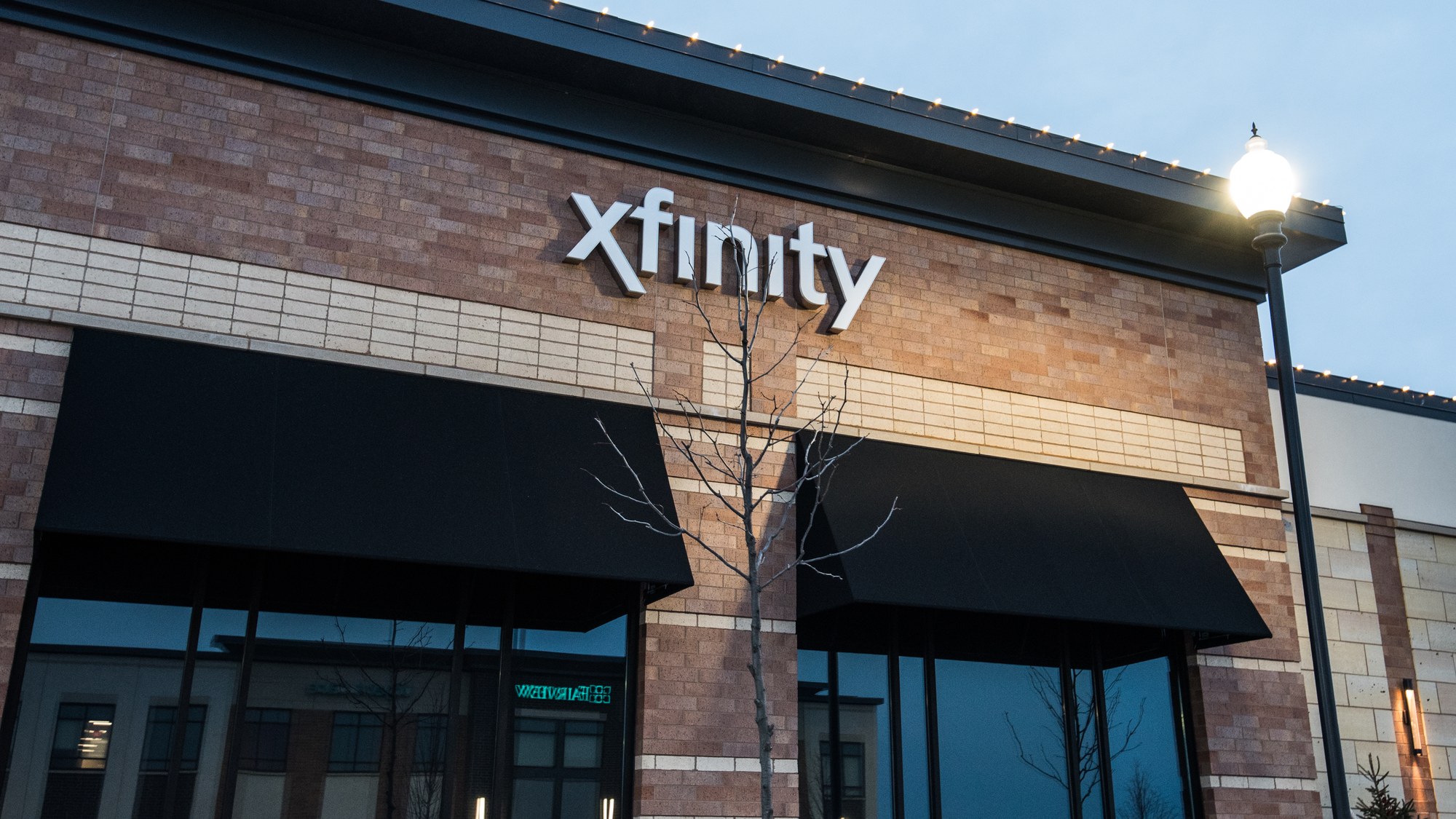
Comcast has agreed to a $117.5 million settlement over a 2023 data breach that exposed personal information belonging to roughly 35.8 million Xfinity customers, and the window to file a claim is still open. Eligible customers can request a flat $50 payment without submitting any documentation, and the deadline to do so has been extended to September 14, 2026.
For older Xfinity subscribers, the settlement is a rare instance where a corporate data breach translates into a concrete cash option rather than a vague promise of “credit monitoring.” The terms are set, the fund is established, and the process runs through an official court-approved administrator — but only until the September cutoff.
What the Comcast Breach Settlement Pays
The breach traces to a 2023 cyberattack that reached Xfinity customer data through a software vulnerability. Under the terms posted by the official Comcast data breach settlement administrator, eligible claimants can choose one of three payment paths. The simplest is a flat $50 cash payment that requires no proof of any loss. Alternatively, a claimant who documents out-of-pocket losses fairly traceable to the breach can seek reimbursement of up to $10,000, and time spent dealing with the fallout can be claimed at $30 per hour for up to five hours.
The no-documentation $50 option is what makes this settlement unusually straightforward. Most data-breach settlements demand receipts, bank records, or evidence of fraud; here, a qualifying customer can select the flat payment by confirming eligibility alone. The documented-loss path exists for the smaller group of customers who can point to real harm — a fraudulent charge, a fee, or hours spent untangling misused information — but for the vast majority, the flat amount is the practical choice.
The exposed data in the 2023 incident reportedly included information such as names and, for some customers, portions of Social Security numbers and other identifiers — the kind of details that can feed later identity-theft attempts. That lingering risk is part of the reasoning behind allowing time-and-loss claims for customers who were affected downstream, not just at the moment of the breach.
Free retirement updates: Miss an enrollment or claim deadline and it may be gone. The free Retirement Shield newsletter keeps readers ahead of the ones that matter. Get the free Retirement Shield newsletter.
Who Qualifies to File
Eligibility is tied to a specific notice. The settlement class generally covers United States Xfinity customers whose information was involved in the breach and who received a notification about it, dated around December 2023, that included a settlement member identification number. That ID number is the key that links a claim to the class list, and it typically appears in the breach notice that Comcast mailed or emailed to affected customers.
Customers who believe they were affected but cannot locate a member ID are not necessarily out of luck; the administrator’s site provides a way to look up eligibility and file. The threshold question is simply whether a person was an Xfinity customer covered by the 2023 notice — not whether any money was ever actually stolen.
How and When to File Before September 14
Claims are submitted directly to the official settlement administrator, either online or by mail, and no third party or fee is required to participate. An online claim must be completed by 11:59 p.m. Eastern time on September 14, 2026, and a mailed claim must be postmarked by that same date. The deadline was extended from an earlier cutoff, but September 14 now stands as the firm close of the claim period.
A few practical points reduce the risk of a rejected or delayed payment. The member ID from the breach notice should be entered exactly as printed, and the payment method — such as a digital transfer or a paper check — is selected on the claim form itself. Because the flat option pays the same $50 regardless of circumstances, there is little reason for an eligible customer to wait until the final days, when site traffic and mail volume tend to spike.
Why the Deadline Is the Only Moving Part
Unlike settlements that hinge on a future court hearing before anyone sees money, the Comcast claim structure is already approved and functioning; the variable that matters most for an individual is the calendar. A valid claim filed before September 14 secures a share of the fund, while a missed deadline forfeits it entirely, with no second window. For a retiree weighing whether it is worth the few minutes involved, the math is simple: the flat $50 requires no records, no proof of harm, and no ongoing obligation — just a filed claim before the date passes. Approved settlements rarely reopen once their claim periods close, so the practical reality is that the option disappears the moment the deadline lapses.
This article was researched and drafted with the assistance of AI and reviewed by The Financial Wire editorial team.
More Financial Reading
- How many CDs can you park at 1 bank? FDIC rules you must know
- Bank statements: how long to keep them and when to toss them


