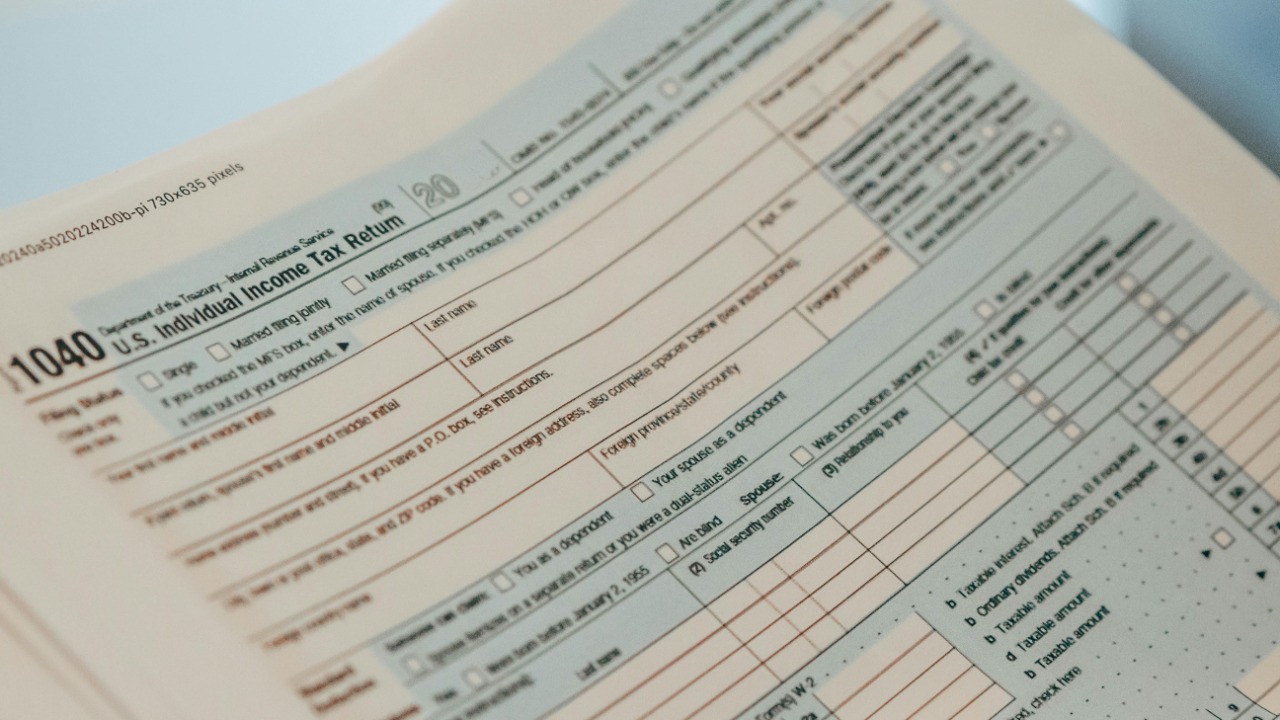
States that skip a personal income tax can look like an easy win for workers, retirees and business owners. More of each paycheck stays in hand, at least on paper. But the money for schools, roads, police, fire protection and other core services still has to come from somewhere. In practice, that often means heavier reliance on property taxes, higher sales taxes, or both.
For anyone considering a move, the smarter question is not whether a state taxes income. It is how that state replaces the revenue it does not collect from wages, and which households end up carrying the load.
1. Texas
Texas remains one of the best-known states without a personal income tax. This is a big part of its appeal to households leaving places with steeper tax bills. But the tradeoff is hard to miss once homeownership enters the picture. Tax Foundation data shows Texas with one of the higher effective property tax rates in the country, while the Texas Comptroller says the state imposes a 6.25% sales tax and allows local jurisdictions to push the combined rate as high as 8.25%. That structure helps explain why Texas can go without taxing wages.
Local property taxes are crucial for school districts, counties and other local services. This is why many homeowners find that a lower paycheck withholding bill is offset by a much larger annual tax bill on their home. For renters, the burden does not disappear. That is because landlords typically build those costs into monthly rent. Texas can still be attractive, especially for high earners. However, it is a mistake to think no income tax automatically means low taxes overall.
2. Florida
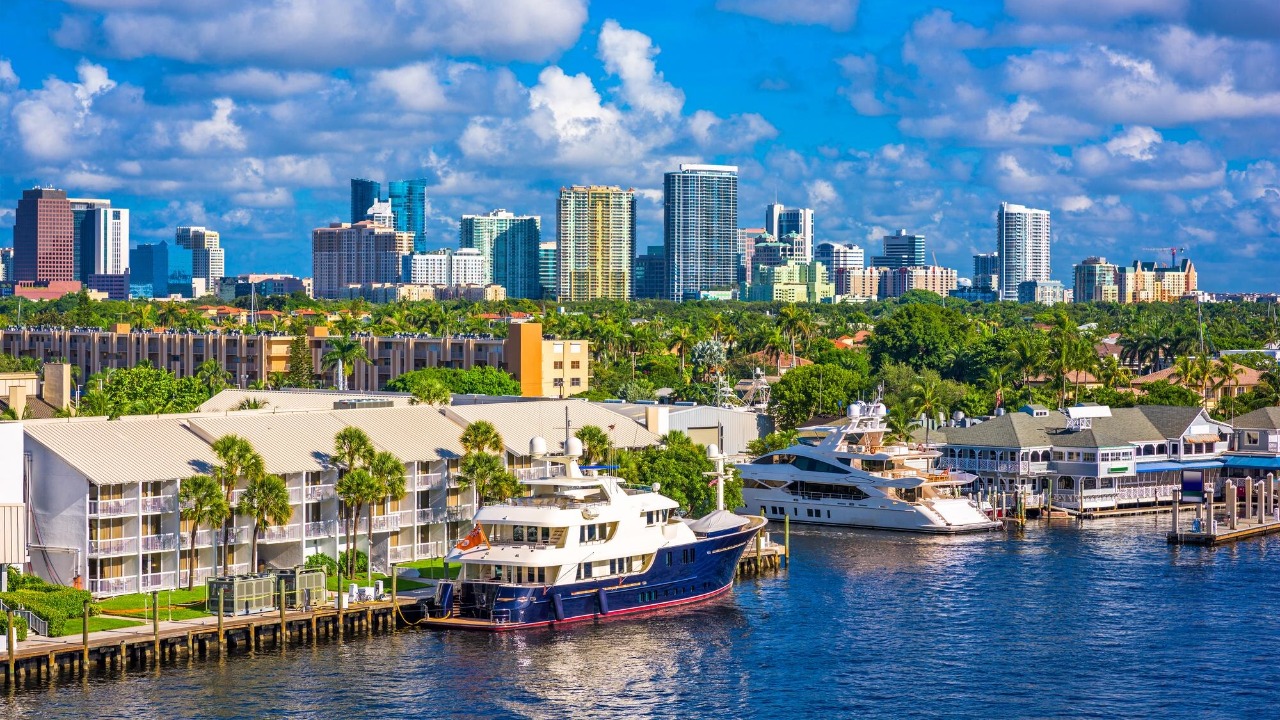
Florida sells itself on sunshine, mobility and no state income tax. For many transplants, that is a powerful combination. The state does keep wages free of personal income tax, but it leans heavily on consumption taxes instead. A Florida Policy Institute revenue overview issued an interesting update. Citing U.S. Census Bureau finance data, it says that Florida is the nation’s most dependent state on general sales taxes. It also noted that consumption taxes make up an overwhelming share of the tax collections.
The Florida Department of Revenue lists the general state sales tax at 6%, before local surtaxes are added. Property taxes are just as important at the local level. The same policy review notes that property taxes remain a foundational revenue source for counties, municipalities and school districts. That means a family drawn in by the lack of wage taxation can still run into meaningful tax costs through homeownership, tourism-heavy local taxes and a broad sales tax base. Florida may spare paychecks, but it hardly operates on tax-free living.
3. Nevada
Nevada has long marketed itself as a low-tax alternative, and it does not levy a personal income tax. But the state does not run on tax savings alone. Tax Foundation figures show Nevada with a 6.85% state sales tax rate and an average combined state and local rate of 8.24%. These figures are high enough to be felt in everyday spending. On top of that, Nevada relies on industry-specific revenue tied to tourism and gaming.
The Nevada Gaming Control Board describes gaming taxes and fees as an essential source of state revenue. It mentions that the gaming industry is vitally important to the state’s economy. That helps Nevada avoid taxing wages, but it also means the state depends heavily on consumption, tourism and casino activity. Property taxes are not as punishing here as they are in Texas or New Hampshire. Nevertheless, the broader lesson still holds: no income tax does not mean the state has given up on collecting revenue.
4. Washington
Washington does not tax wage income, which is one reason it often appears in conversations about no-income-tax states. Yet it has built one of the country’s more aggressive alternatives. Tax Foundation data shows an average combined state and local sales tax rate of 9.47%. This figure places Washington near the top nationally. The state also leans on its unusual business and occupation tax, a gross receipts tax that applies to business income rather than profit. That reliance has only grown.
The Washington Legislature’s summary of H.B. 2081 shows changes to business tax surcharges and rates. Meanwhile, the Washington Department of Revenue says a 2025 law expanded retail sales tax to a new list of services beginning Oct. 1, 2025. For residents, that means the lack of an income tax is balanced by a tax system that reaches deeply into purchases and business activity.
5. New Hampshire
New Hampshire is a special case because it finished phasing out its tax on interest and dividends. It left the state without a broad-based personal income tax on wages. That sounds ideal until the property tax bill arrives. Tax Foundation data places New Hampshire among the states with the highest effective property tax rates on owner-occupied homes, which helps explain how the state funds local services without taxing ordinary wage income. New Hampshire does have one major difference from most of the other states on this list: it has no general statewide sales tax.
Even so, the absence of both a wage tax and a broad sales tax does not make the state low-tax for everyone. It shifts a larger share of the burden onto property owners and leans on narrower levies such as meals, rooms and business taxes. For buyers focused only on paycheck math, that can be an expensive surprise.
6. Tennessee

Tennessee is another state that has fully moved away from taxing personal income. But it makes up for that with a sales tax structure that is among the heaviest in the nation. Tax Foundation lists Tennessee with a 7.00% state sales tax rate and an average combined state and local rate of 9.61%, one of the highest nationwide. That means routine household spending, from clothes to electronics to many other purchases, is taxed more heavily than in most states.
For many households, that matters more than the absence of an income tax because sales taxes hit money as it is spent, not just as it is earned. Lower-income families often feel that pressure most. That is because they tend to spend a greater share of their income on taxable goods. Tennessee’s property taxes are not the headline issue the way they are in Texas or New Hampshire. However, its tax system still proves the broader point.
A state can remove the tax on wages and still collect a significant amount from residents in other ways. The headline promise of no income tax is real, but it is only part of the picture. In these six states, the forgone revenue does not vanish. It shows up somewhere else, whether through higher property taxes, steeper sales taxes, industry-specific levies or a combination of all three. For households comparing states, the better measure is total tax exposure, not the single line missing from a paycheck stub.

Paul Anderson is a finance writer and editor at The Financial Wire. He has spent seven years writing about investment strategies and the global economy for digital publications across the US and UK. His work focuses on making sense of economic policy, cost-of-living issues, and the stories that affect everyday Americans.