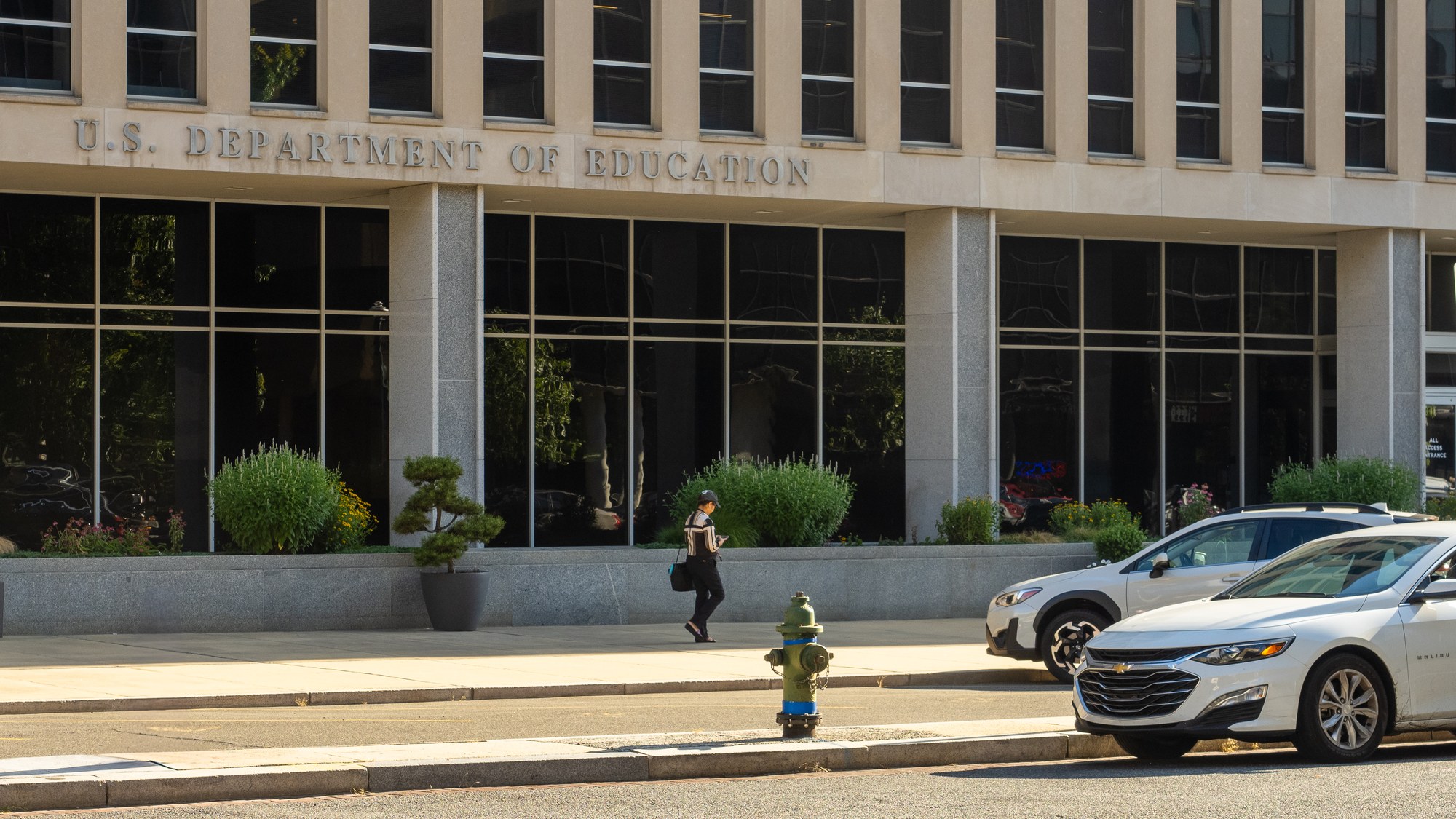
Starting around July 1, federal loan servicers will begin sending notices to 7.5 million borrowers enrolled in the SAVE repayment plan, directing them to switch to a different plan within 90 days. The U.S. Department of Education has declared SAVE unlawful, and borrowers who have been stuck in forbearance since the summer of 2024 now face a hard deadline to act. The notices mark the first concrete step in a broader overhaul of federal student loan repayment that took shape through the One Big Beautiful Bill Act and new Department of Education regulations taking effect this summer.
Why the July 1 SAVE exit deadline changes the math for millions
The 7.5 million borrowers affected have not made payments in roughly two years. Litigation froze the SAVE plan in July 2024, placing accounts into administrative forbearance. That pause shielded borrowers from bills but also stopped the clock on any progress toward forgiveness or principal reduction. The notices arriving this summer end that limbo. Each borrower will have 90 days to select a legal repayment plan or risk being placed into one by their servicer.
The scale of the transition raises a practical question: will borrowers actually engage with the tools available to them? The Department of Education points borrowers to its loan simulator at studentaid.gov, which lets users compare monthly payments across plans. A reasonable expectation is that traffic to that tool will spike sharply over the 60 days following the first wave of notices, compared with the prior two-month baseline. No official traffic projections have been published, but the sheer volume of affected accounts and the 90‑day window suggest a compressed period of high demand on federal student aid infrastructure.
Borrowers trying to understand the broader context of their debt can also look beyond repayment calculators. The federal College Scorecard offers data on typical borrowing, repayment outcomes and earnings for specific institutions and programs. While these metrics cannot change an existing loan balance, they may shape decisions about returning to school, consolidating degrees, or advising family members who have yet to borrow.
Department of Education directives and the new repayment structure
The Department of Education’s announcement frames SAVE as an unlawful plan and positions the exit notices as a corrective step. According to the agency, guidance is being sent to all 7.5 million enrolled borrowers, and servicers will begin issuing formal notices starting July 1. The Department emphasizes that borrowers will not be required to make payments immediately; instead, they will have a defined transition period to choose among the remaining income-driven and fixed-payment options.
The replacement choices highlighted by the Department include a Repayment Assistance Plan, commonly referred to as RAP, and a Tiered Standard plan. RAP is designed to cap payments as a share of income for borrowers who qualify, while Tiered Standard structures payments to start lower and rise at set intervals, aiming to keep total repayment within the standard term. Both options are described in more detail in an agency fact sheet released alongside a March 27 announcement focused on simplifying repayment and consolidating overlapping income-driven plans.
These plan changes do not exist in isolation. H.R. 1, the One Big Beautiful Bill Act, became Public Law No. 119‑21, setting the statutory framework for the current overhaul. Following enactment, the Department of Education issued a Dear Colleague letter to schools and servicers outlining provisions that took effect immediately and previewing additional changes tied to the July 1, 2026 implementation date. A separate electronic announcement in late May 2026 confirmed that the Department is preparing stakeholders for adjustments that intersect with the Working Families Tax Cuts Act provisions folded into the broader law, including a new information hub and a series of technical FAQs for financial aid offices.
What borrowers should expect from servicers this summer
For individual borrowers, the most visible change will be the sequence of communications from servicers. First, borrowers currently in SAVE should expect an initial notice explaining that the plan has been deemed unlawful, that their loans have been in administrative forbearance, and that this status will end after the 90‑day selection window. Subsequent messages are likely to include reminders, estimated payments under several eligible plans, and instructions for updating income information.
Borrowers who do nothing will not avoid repayment indefinitely. After the 90‑day period, servicers are expected to place nonresponsive borrowers into a qualifying plan by default, often based on available income and family size data. That assignment may not reflect a borrower’s preferences, especially for those anticipating major life changes such as marriage, a move, or a shift from graduate school into full-time work. Taking the time to review options before the deadline can help avoid payment shocks later.
Advocates and campus financial aid officers are also bracing for a busy summer. Many borrowers who entered repayment for the first time under SAVE may be unfamiliar with older plan names and rules. Institutions are likely to field questions not only about repayment but also about how new tax provisions under the Working Families Tax Cuts Act interact with education benefits and household budgets. Clear coordination between schools, servicers and the Department will be critical to prevent confusion as the July 1 changes roll out.
For now, the core message is straightforward: borrowers in SAVE cannot remain there. Over the next several months, they will need to choose a new repayment path or accept a default assignment. The policy debate over whether SAVE should have been struck down will continue, but the practical reality for 7.5 million people is that the clock to exit the plan has already started.