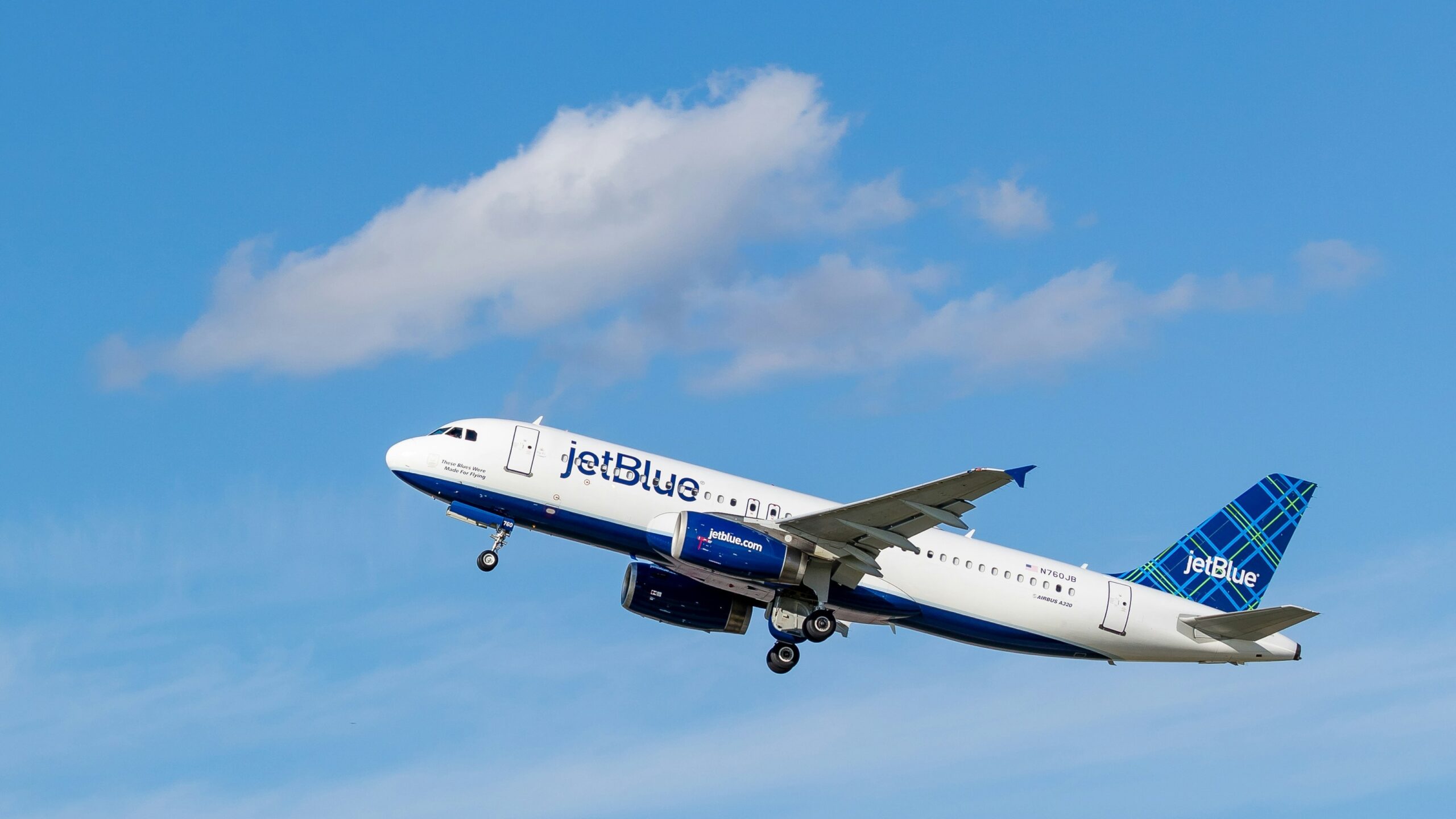
A lawsuit filed against JetBlue in late April 2026 alleges the airline uses customers’ personal data to set ticket prices, turning a viral social media moment into a legal fight over a practice federal regulators have called “surveillance pricing.”
The trouble started when a JetBlue customer posted about a $230 fare spike that appeared while searching for flights. The post spread fast. Then JetBlue’s own social media account appeared to confirm that personal data played a role in the price change. The airline quickly reversed course. In a statement relayed through Reuters, a JetBlue representative said the social media reply “was made in error” and that “our fares are based on real-time market conditions, not cached or personal data.” No spokesperson was identified by name in the Reuters report.
The reversal did not quiet the backlash. On April 23, 2026, a lawsuit was filed alleging JetBlue factors individual customer data into its fare calculations, according to The Guardian. The case lands at a moment when Washington is actively scrutinizing how companies use consumer information to charge different people different amounts for the same product.
JetBlue’s denial and what it leaves out
JetBlue’s position, as paraphrased by Reuters, is simple: fares reflect real-time market conditions like seat availability, route demand, and competitor pricing. The airline says the social media reply that sparked the controversy was a mistake, not a confession. The company has not released any technical documentation explaining how its pricing engine works, nor has it publicly identified a spokesperson to address the allegations in detail.
That explanation tracks with how airlines have publicly described revenue management for decades. Fares on any carrier’s website can shift by hundreds of dollars within minutes depending on how many seats remain, how close the departure date is, and what rivals are charging on the same route. A $230 swing between searches, while startling to a customer, is not unusual in that context.
But the lack of transparency is precisely what critics find troubling. Without visibility into the algorithm, passengers have no way to distinguish a routine market-driven price change from one shaped by their browsing history or purchase patterns.
What the lawsuit claims
The suit, as reported by The Guardian, alleges JetBlue goes beyond standard dynamic pricing by incorporating individual customer data into fare decisions. Key details, including the specific jurisdiction, the plaintiff’s identity, and the legal theories involved, have not been independently verified against public court dockets as of late April 2026. That makes the strength of the claims difficult to assess at this stage.
What gives the case broader weight is the regulatory environment surrounding it. In July 2024, the Federal Trade Commission issued orders to eight companies demanding information about surveillance pricing practices, using its authority under Section 6(b) of the FTC Act. The agency described a “shadowy ecosystem” of intermediaries combining artificial intelligence with personal data, including location, demographics, credit history, browsing behavior, and shopping habits, to help businesses set individualized prices.
By January 2025, the FTC published its findings. The report confirmed that intermediaries use a wide range of personal data to target different prices and promotions to individual consumers. A separate staff analysis from July 2024 went deeper into the inquiry, warning about the potential for discrimination and consumer harm when people cannot see or challenge the factors shaping the prices they encounter.
An important distinction: the FTC’s study examined data brokers, analytics vendors, and pricing platforms across retail and digital commerce. No public FTC statement or enforcement action has named JetBlue or any airline. “Surveillance pricing” is the agency’s descriptive label for a broad set of practices, not a legal standard that has been applied to the airline industry.
Why suspicion alone is not proof
The viral post, the botched social media reply, and the lawsuit have created a narrative that feels damning. But the public evidence does not close the loop. The original post has not been linked to a specific platform or user in any verified reporting. JetBlue’s internal algorithms remain proprietary. And the FTC’s documented findings, while alarming in scope, describe practices in other sectors, not airlines.
For the lawsuit to gain traction, the plaintiffs will likely need to extract internal evidence through discovery showing that JetBlue’s systems actually incorporate individual-level signals such as browsing history, prior purchases, or demographic profiles into fare calculations. That is a high bar. Airlines operate within a heavily regulated transportation sector, and courts will have to decide whether existing consumer protection and privacy statutes clearly cover the alleged conduct or whether regulators are better positioned to draw those boundaries.
No other major U.S. airline has faced a comparable lawsuit alleging personalized pricing based on customer data, which makes this case something of a first test. If the claims survive early motions, the discovery process alone could force an unprecedented look at how airline pricing algorithms actually function behind the scenes.
How courts and discovery could reshape airline pricing transparency
As of late April 2026, the public record supports a narrow set of facts. JetBlue denies using personal data to price tickets. A viral fare jump fueled suspicion but not evidence. Federal regulators have documented widespread use of personal information in pricing across other industries but have not targeted airlines. And a lawsuit that could reshape the conversation is in its earliest stages, with no response from JetBlue yet on the public docket.
The answers that matter, about what JetBlue’s pricing systems actually do and how the law should treat algorithmic fare-setting, will not come from social media outrage. They will come from discovery, expert testimony, and rulings in court. Until then, travelers watching their fares jump mid-search are stuck with the same uncomfortable question they have been asking for years: is the price changing because of the market, or because of me?