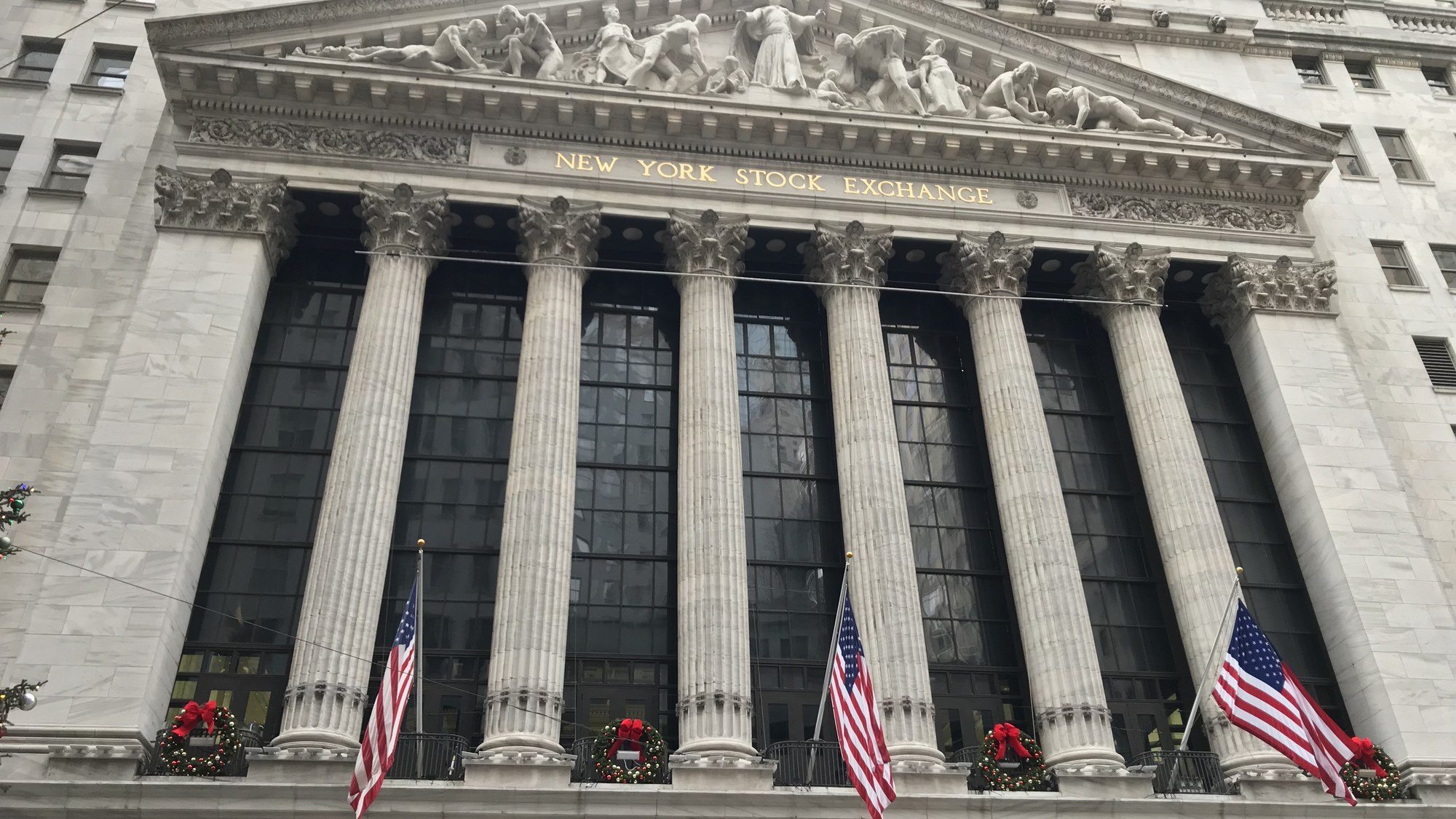
The S&P 500 fell 86.51 points, or 1.1 percent, to 7,718.94 on Wednesday after a hotter-than-expected inflation report revived bets that the Federal Reserve will raise interest rates again this month. It was the index’s fifth loss in the six trading days since it set an all-time high, The Associated Press reported.
Affiliate links — we may earn a commission.
The Dow Jones Industrial Average slipped 48.62 points, or 0.09 percent, to 51,621.48, according to the AP’s market table. The S&P 500 is still up 873.44 points, or 12.8 percent, for 2026, and the Dow is up 3,558.19 points, or 7.4 percent.
The inflation report behind the selling
The trigger was the Labor Department’s September Consumer Price Index, released before the market opened. The Bureau of Labor Statistics said consumer prices rose 0.6 percent in the month, and 3.7 percent from a year earlier before seasonal adjustment. Gasoline accounted for more than half of the monthly increase.
The Motley Fool’s market wrap said the hotter-than-expected figures lifted Treasury yields and revived rate-hike bets. Oracle fell $12.65 to $130.55, one of the day’s visible casualties.
Chen Zhao, head of economics research at Redfin, wrote in her commentary that core inflation, which leaves out food and energy, rose 0.34 percent in September against the 0.22 percent forecasters expected. She said the odds of a rate hike at the October meeting are now 50/50 and called the decision “a close call.” The core gains came mainly from owners’ equivalent rent, hotels and wireless services, she wrote.
What a drop like Wednesday’s means for a retiree depends on how much of a nest egg sits in stocks. A 1.1 percent fall on a $500,000 stock position is about $5,500 on paper, against a 12.8 percent gain for the year in the S&P 500, which is a reminder that a single day is a small piece of a larger picture. The harder question for people drawing income from savings is what happens if rates keep rising and stock prices fall for longer than one session.
The Fed’s rate path
The Fed has already raised rates once this cycle. On September 16 the Federal Open Market Committee lifted its target for the federal funds rate by a quarter point to 3.75 to 4 percent, by a vote of 12 to 0. Its statement says inflation “remains elevated.”
The committee next meets October 27 and 28, according to the Fed’s 2026 calendar. Zhao wrote that Fed officials have said unanimously that they expect more hikes but are not in a hurry to raise rates at back-to-back meetings. That message had helped push mortgage rates down modestly the week before, as traders priced in an October pause.
The Fed’s preferred inflation gauge, the core PCE price index, is due the day after the Fed’s October 28 meeting, Zhao wrote. Based on the CPI data, she estimated the monthly reading at 0.31 to 0.38 percent, and said that if it rounds to 0.4 percent the Fed may find it hard not to hike in October.
What higher rates do to a portfolio
Zhao’s reading is that mortgage rates will give back some of the previous week’s improvement. If the Fed holds off but core PCE comes in at 0.4 percent, she wrote, long-term rates could rise again as markets question the Fed’s credibility on inflation.
For people near or in retirement, the combination matters more than any single close. Prices are rising faster than the 3.0 percent wage growth Zhao cites, rates are rising, and a stock index that had been setting records has now fallen on five of six days. None of that says where markets go next. It does show the two numbers retirees should watch: the Fed’s decision on October 28 and the October inflation report, which the BLS schedules for November 10.
Reading a retirement statement after a down day
The free first step is the statement itself. A 401(k) or IRA statement shows the balance by fund, so a saver can see how much sits in stock funds and how much in bonds or cash. The percentage that fell on Wednesday applies only to the stock part.
Before changing anything, a saver can write down the date of the next withdrawal, how much is needed from the account over the next two years, and where that money is held. The Fed’s meeting calendar and the BLS release schedule give the next dates that can move markets: October 27 and 28, and November 10.
Savers weighing whether to hold something other than stocks and bonds in an IRA can ask a plan administrator or custodian what is allowed, what fees apply and how any assets would be stored. Written answers belong beside the statement so the comparison is on the same terms.
An 86.51-point drop and a retirement account
A day like Wednesday’s shows how quickly stock balances can move when rate-hike odds change, and a retirement account holds the same exposure. Lear Capital helps protect your retirement with gold and silver, sends a free 2026 Gold IRA Kit, and offers a $500 account credit with a precious metals purchase.
Request Lear Capital’s free 2026 Gold IRA Kit for a retirement portfolio →
I may be compensated if you sign up through my link. Investments carry risk. Past performance is not a guarantee of future results.
This article was produced with AI assistance and reviewed by The Financial Wire’s editorial team.


