Paying $550 a year for a credit card used to feel like a stretch. That number is now a relic. Chase has raised the annual fee on its Sapphire Reserve to $795, and American Express has pushed the Platinum Card to $895. Together, the back-to-back increases represent the steepest hikes either card has ever carried, and they force millions of cardholders into an uncomfortable exercise: figuring out whether a piece of plastic that costs close to $900 a year can still justify itself.
The new fee landscape
JPMorgan Chase confirmed the Sapphire Reserve overhaul as part of a broader refresh targeting affluent spenders. The $795 fee, effective in spring 2026, marks a 45 percent jump from the prior $550 level. Chase said it paired the hike with expanded travel and lifestyle benefits, though the issuer has not published a full accounting of every new perk. Existing cardholders will see the new pricing at their next renewal date, according to the announcement.
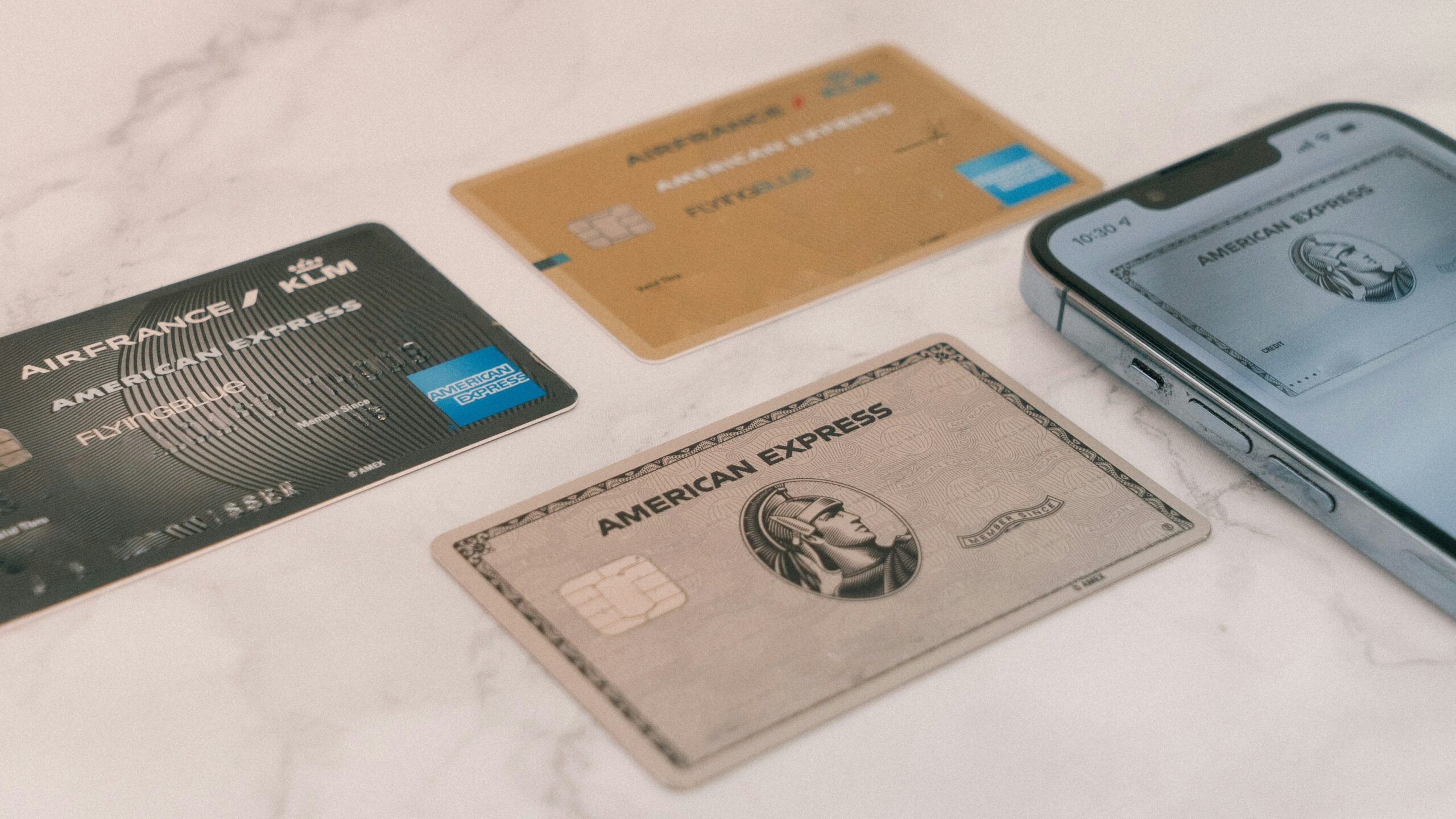
American Express moved in near-parallel. Its refreshed Platinum Card, also repriced in spring 2026, now carries an $895 annual fee, up from $695. AmEx said the refresh includes a new annual dining credit layered on top of a benefits stack that already includes airport lounge access through the Global Lounge Collection, hotel status programs, and up to $200 in annual airline fee credits. The company has described the overhaul as the most significant update to the Platinum Card since 2021, when it raised the fee from $550 to $695.
The synchronized timing is hard to dismiss as coincidence. Neither issuer wanted to raise prices alone and risk hemorrhaging customers to the other. By moving together, Chase and AmEx have effectively shifted the entire premium tier upward, widening the gap between ultra-premium products and everything else on the market.
How the rest of the market compares
The fee hikes throw the competitive landscape into sharper relief. Capital One’s Venture X and Citi’s Strata Premier, both priced well below the new Chase and AmEx flagships, suddenly look far more accessible by comparison. That gap, which was already notable, now appears enormous next to an $895 Platinum or a $795 Sapphire Reserve.
Neither Capital One nor Citi has announced fee changes as of May 2026. Holding steady lets them court cardholders who refuse to pay close to $900 a year, regardless of how generous the perks look on paper. But the restraint may not last. If premium-tier spending data shows that higher fees do not meaningfully reduce cardholder counts, both issuers could eventually follow suit, compressing the options available to rewards-focused consumers across the board.
The stakes extend beyond hobbyists who optimize every point. Premium cards generate outsized interchange revenue for issuers because their holders tend to charge heavily. If the market hardens into a near-$900 ultra-premium tier and a lower-cost tier with thinner benefits, consumers whose spending falls in the middle may struggle to find a card that fits without overpaying or leaving value on the table.
What cardholders should actually weigh
A higher fee does not automatically mean a worse deal, but it raises the break-even bar considerably. At $795, a Sapphire Reserve holder needs to extract at least that much in tangible value from travel credits, lounge visits, bonus point earnings, and purchase protections just to come out even. At $895, the Platinum Card demands even more.
Credits and perks illustrate the complexity. A large dining credit sounds like it nearly wipes out a fee increase on its own. But the real value depends on which restaurants qualify, whether the credit is distributed as a lump sum or in monthly installments that are easy to forget, and whether the cardholder would have spent that money at eligible merchants regardless. Travel credits and lounge access carry similar caveats: they are worth full face value only if you use them completely, and usage data from prior card refreshes suggests many cardholders do not.
Points valuations add another layer. Chase Ultimate Rewards points are generally valued by independent analysts at roughly 1.5 to 2 cents each when redeemed through the travel portal or transferred to airline and hotel partners. AmEx Membership Rewards points carry a similar range. At those valuations, heavy spenders in bonus categories can recoup hundreds of dollars in annual value, but lighter spenders may find the math does not work at the new fee levels.
For existing Sapphire Reserve holders who decide the new fee is too steep, one practical move is downgrading to the Sapphire Preferred, which carries a $95 annual fee and still earns Ultimate Rewards points, albeit at lower rates and without lounge access. AmEx Platinum holders can look at lower-fee cards within the Membership Rewards ecosystem that lean into dining and grocery rewards. In both cases, a downgrade preserves the points ecosystem while cutting hundreds of dollars in annual costs.
No publicly available retention or cancellation data has surfaced for either card since the fee changes took effect. Historically, premium card hikes trigger a short burst of cancellations followed by stabilization as loyal users decide the perks justify the cost. Whether that pattern holds when the increases are this large is an open question that will likely take several renewal cycles to answer.
How far can issuers push before the model cracks?
The fee escalation tests a fundamental tension in the premium card business. High fees fund rich perks, rich perks attract big spenders, and big spenders generate interchange revenue that exceeds the cost of those perks. If fees climb faster than the perceived value of the benefits, that cycle stalls, and issuers face a choice between trimming perks quietly or absorbing lower margins.
For now, the clearest takeaway is arithmetic, not brand loyalty. The right card is the one whose benefits you will actually use, measured against the fee you will actually pay. Chase and AmEx have made that calculation harder and more consequential. Cardholders who run the numbers honestly may find the new fees still pencil out. Those who never bother are exactly the customers the issuers are counting on.