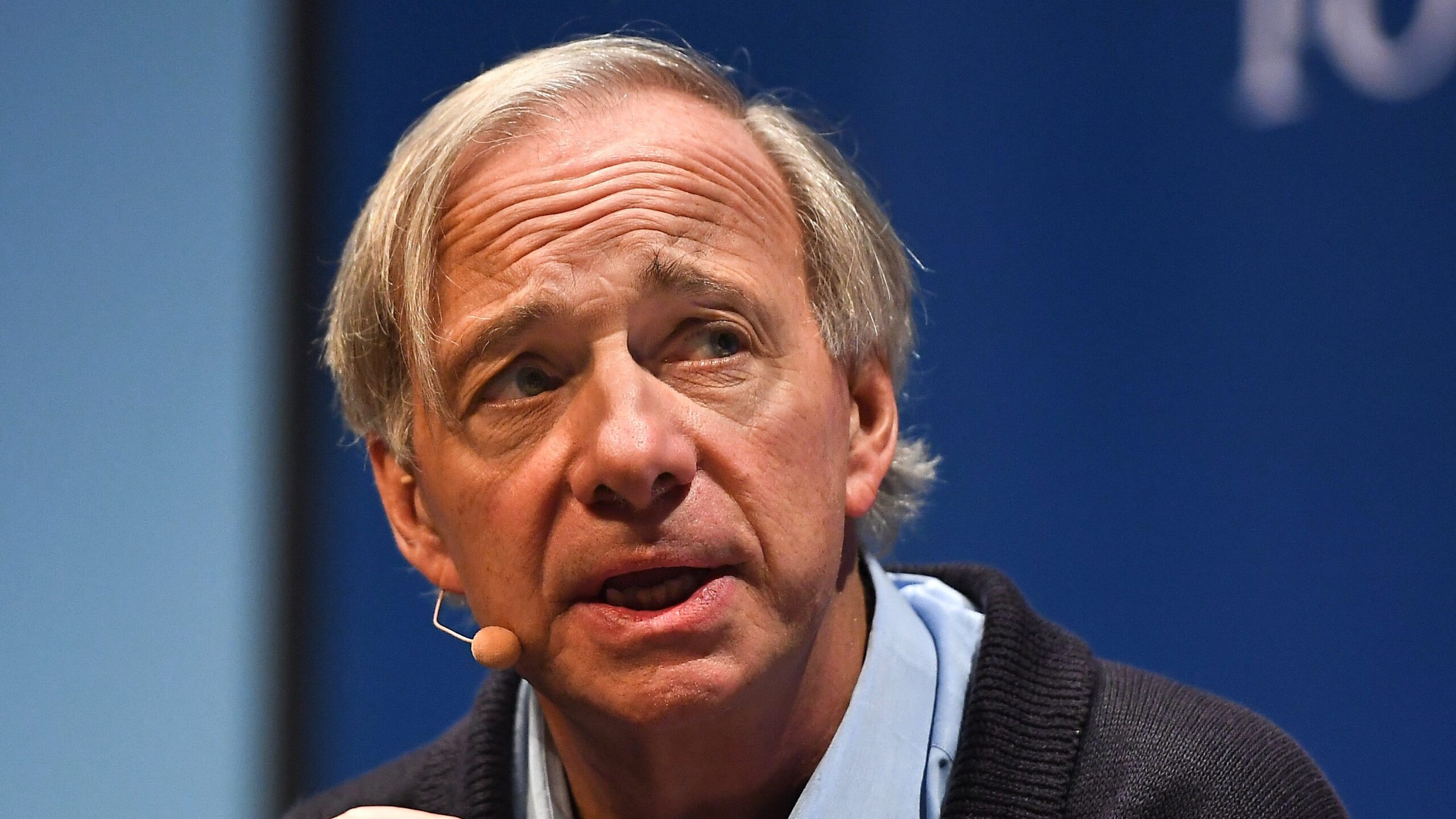
Gasoline prices jumped 21.2% in a single month. The Consumer Price Index hit 3.3% year-over-year. And Ray Dalio, the billionaire founder of Bridgewater Associates, chose that moment to post a blunt warning on LinkedIn: the U.S. economy is sliding toward stagflation, and investors banking on Federal Reserve rate cuts are making a dangerous bet.
Dalio’s argument, laid out in an April 2026 LinkedIn post and echoed across financial media, is that inflation is now being driven by forces that lower interest rates cannot fix. Tariff-related supply shocks, surging energy costs, and structural pressures in global trade are pushing prices higher. Cutting rates into that environment, he warned, would risk embedding inflation at levels well above the Fed’s 2% target, while holding rates steady could deepen a slowdown that is already showing up in survey data and business sentiment.
The numbers back up at least half of that thesis. The Bureau of Labor Statistics reported that the CPI rose 3.3% year-over-year in March 2026, with a 0.9% increase in a single month. The main driver was energy. The 21.2% monthly surge in gasoline prices was among the largest on record in the BLS gasoline series, which dates to 1967. On an annual basis, gasoline climbed 18.9%, and the broader energy index rose 12.5% year-over-year.
Even core CPI, which strips out food and energy, came in at 2.6% annually, according to the same BLS release. That figure suggests price pressures are not confined to the gas pump and are filtering into the broader economy.
Why stagflation is back in the conversation
Stagflation describes a painful and rare combination: prices rising while economic growth stalls or contracts. It resists conventional monetary policy because the tools that fight inflation (higher rates) also suppress growth, and the tools that support growth (lower rates) can accelerate inflation. The last widely recognized episode in the United States was the late 1970s and early 1980s, when oil shocks collided with loose fiscal policy.
Dalio’s case is that today’s conditions share uncomfortable parallels. Inflation is reaccelerating. Consumer sentiment surveys have softened. Manufacturing orders have shown signs of cooling. Small-business confidence has slipped. And the forces pushing prices higher are not the kind that resolve on their own.
The tariff dimension is central. Since early 2025, successive rounds of U.S. tariffs on Chinese goods, steel, aluminum, and other imports have raised input costs for American manufacturers and retailers. Those costs move through supply chains with a lag, meaning the full impact of tariffs imposed months ago may still be working its way into consumer prices. Economists at institutions including the International Monetary Fund have warned that broad-based tariffs function as a supply-side shock, pushing prices up while weighing on output.
The gasoline spike adds a second supply-side pressure. While the BLS data captures the price movement, the underlying causes likely include a combination of refinery constraints, seasonal demand shifts, and global crude oil market dynamics. Whatever the mix, the effect on household budgets is immediate: higher commuting costs, more expensive freight, and rising shelf prices for goods that travel by truck. Energy bills that climb nearly 11% in 30 days squeeze discretionary spending faster than wage gains can compensate, and they hit lower-income households hardest because those families spend a larger share of income on fuel and utilities.
What the data confirms and what it does not
The inflation side of the stagflation thesis is grounded in primary government data. The March 2026 CPI release is publicly available through the BLS data interface, where anyone can pull headline and component indexes and verify the figures independently. A 21.2% monthly gasoline spike is not a modeling artifact; it is a measured price change drawn from surveys of thousands of retail outlets across major metropolitan areas.
The growth side is less settled. No official GDP revision or employment report reviewed for this article confirms that economic output is contracting or that the labor market is deteriorating at a pace consistent with classic stagflation. The Bureau of Economic Analysis is expected to release its advance estimate for first-quarter 2026 GDP in the coming weeks, and that number will be a critical test. Until then, the evidence for slowing growth rests on softer indicators: weaker survey data, cooling manufacturing activity, and anecdotal reports of hiring freezes in trade-sensitive sectors.
That distinction matters. Stagflation implies a sustained period in which growth is weak or flat even as inflation stays elevated. A quarter or two of mixed signals does not meet that bar. Payroll growth could slow without turning negative. Productivity gains could offset some of the drag from higher energy and import costs. The label remains a risk scenario, not a confirmed diagnosis.
The Fed’s narrowing options
The Federal Reserve cut its benchmark rate three times in late 2024, bringing the federal funds rate to a range of 4.25% to 4.50%, where it has remained through early 2026. Futures markets have continued to price in additional cuts later this year, but those expectations are sentiment-driven and shift quickly. No recent Federal Open Market Committee statement reviewed for this article confirms whether policymakers view the March CPI print as a temporary energy shock or the beginning of a broader re-acceleration.
That ambiguity is the heart of Dalio’s warning. If the Fed cuts rates to support growth while inflation is running well above target, it risks letting price expectations drift higher. Once businesses and consumers start planning around 3%-plus inflation, reversing that psychology requires even more painful tightening. If the Fed holds firm to fight inflation, it could choke off an economy that may already be losing momentum. In a stagflationary environment, both paths carry serious costs.
Bond markets are already reflecting the tension. Treasury yields have remained elevated even as growth expectations have softened, a pattern consistent with investors demanding higher compensation for inflation risk rather than pricing in imminent rate relief. That market signal aligns with Dalio’s core message: do not assume the cavalry is coming.
Dalio, whose track record includes navigating the 2008 financial crisis and building the world’s largest hedge fund, has long argued that policymakers tend to underestimate the difficulty of managing conflicting mandates. His current stance fits that worldview. Be skeptical of easy answers. Do not assume the Fed has the tools to solve a problem that is fundamentally structural.
Critical data points arriving through May 2026
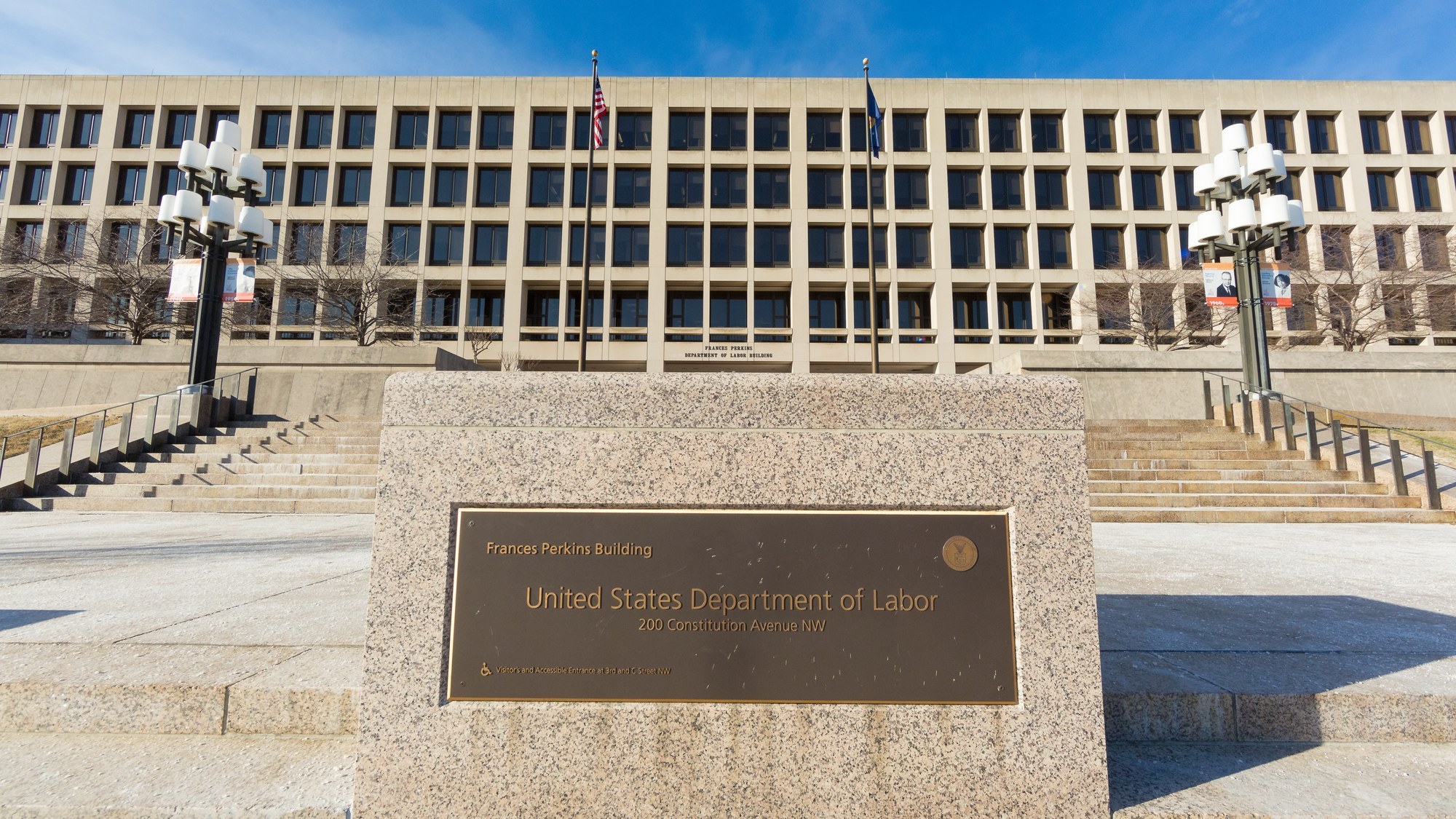
Several releases in the coming weeks will determine whether the stagflation warning graduates from plausible risk to confirmed reality. The next CPI report, listed on the release calendar maintained by the Department of Labor, will show whether the March energy spike was a one-month anomaly or the start of a trend. The advance Q1 GDP estimate from the Bureau of Economic Analysis will provide the first hard look at whether growth actually slowed in early 2026. And the May FOMC meeting will offer the clearest signal yet on whether the Fed is leaning toward patience or action.
What is established: energy-driven inflation is back in force, and it is already eroding purchasing power for millions of American households. What remains projected: that this will coincide with a prolonged growth slump severe enough to meet the textbook definition of stagflation. The March inflation numbers, and Dalio’s pointed warning, make it a scenario that no serious investor or policymaker can afford to wave away. The data arriving over the next six weeks will tell us whether he is early, right, or sounding an alarm that the economy ultimately absorbs. Until then, caution is not pessimism. It is arithmetic.