A small furniture importer in North Carolina paid roughly $14,000 in emergency tariff duties on three container shipments last year. When the federal government opened a new refund portal in late April 2026, she expected something like filing a tax return online. Instead, she found a system buried inside the same electronic trade platform that licensed customs brokers use to process thousands of entries a month. After two hours of trying to locate the right module, she called a broker, who quoted her $750 per filing. She has not submitted a claim.
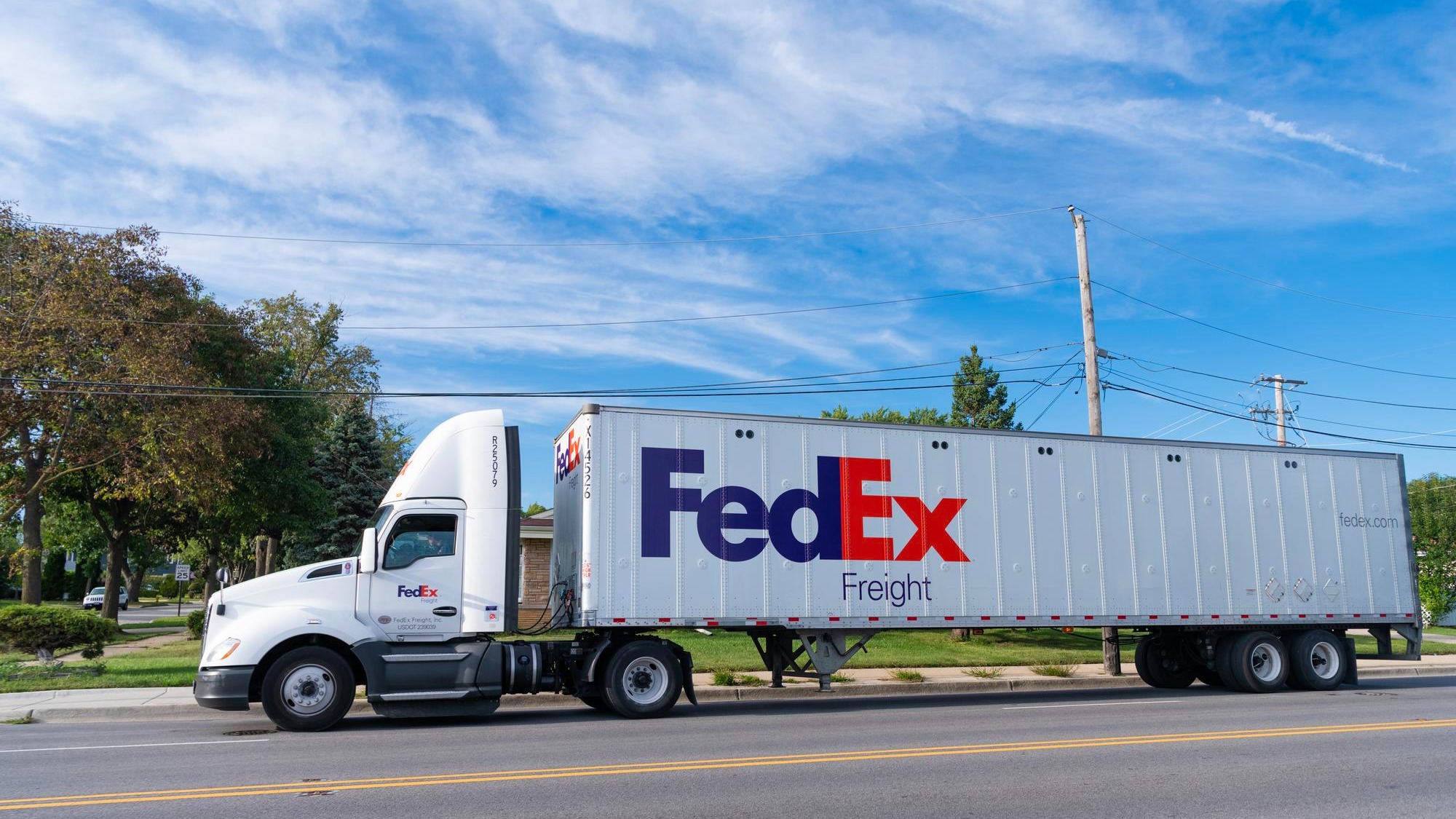
Her experience sits at one end of a widening divide. Within hours of U.S. Customs and Border Protection switching on the portal, known as CAPE (Consolidated Administration and Processing of Entries), large corporations had already submitted claims, according to Journal of Commerce reporting that week. Companies like FedEx and Walmart maintain full-time customs compliance teams, broker-certified software, and direct electronic pipelines into the government’s import processing network. For them, filing was a matter of clicking through a new module in a system they use every day. For thousands of smaller importers who paid the same duties, the portal has become an obstacle course.
How CAPE works and who it was built for
CBP announced CAPE’s Phase 1 launch on April 20, 2026, through CSMS message #68340863, a routine trade-community bulletin confirming the system was live and accepting refund claims tied to duties imposed under the International Emergency Economic Powers Act (IEEPA). The portal is not a standalone website. It operates as a layer within CBP’s Automated Commercial Environment (ACE), where data moves through Electronic Data Interchange protocols and the Automated Broker Interface (ABI), a technical standard that licensed brokers use daily but that most small importers have never encountered.
CBP Executive Director Brandon Lord filed a sworn declaration in the U.S. Court of International Trade, entered in the Euro Notions v. United States docket, describing CAPE’s automated architecture and the volume of refunds it is intended to handle. Lord’s declaration quantifies the universe of affected importers, entry summaries, and dollar amounts eligible for refunds. The figures run into the billions, and the declaration frames automation as the only realistic way to process that scale without years of manual review.
CBP has published a quick reference guide for CAPE declarations and a trade information notice on enrollment. Both documents assume the reader already holds an ACE portal account, understands entry summary structures, and can map refund-eligible IEEPA duties to the specific Harmonized Tariff Schedule codes CAPE requires. The agency’s own overview of ACE functionality emphasizes integration with broker systems and high-volume data feeds, reinforcing that the platform was engineered for professional intermediaries, not occasional shippers.
The gap between large and small importers
The practical divide is straightforward. A company like Walmart or FedEx already employs trade compliance specialists, runs ABI-certified software, and files thousands of entries per month. Adding IEEPA refund claims to that workflow is incremental. A small retailer or manufacturer that imported a handful of shipments hit by IEEPA duties faces a fundamentally different situation: no ACE account, no broker on retainer, and no familiarity with the data elements CAPE demands.
One licensed customs broker, who spoke on condition of anonymity because of ongoing client relationships, described the mismatch in plain terms: “I have had three small importers call me in the last two weeks asking how to get into CAPE. None of them had ACE accounts. Two did not even know what an entry summary number was. I can file for them, but my minimum fee for a CAPE submission is $750, and one of them is chasing a refund of about $1,100.” The broker added that the CAPE quick reference guide, while technically accurate, “reads like it was written for someone who already files 500 entries a month.”
A trade attorney at a mid-size firm who advises small and mid-market importers echoed that assessment. Her office had fielded a surge of inquiries from businesses that learned about the refund program through news coverage but had no idea how to act on it. “They hear ‘the government owes you money’ and assume there is a form they can fill out online,” she said, also requesting anonymity to speak candidly about a federal agency process. “When they find out it requires ABI access or a broker, some of them just walk away from money they are legally owed.”
Broker fees for individual CAPE filings can range from several hundred to several thousand dollars depending on the complexity of the entry, according to customs brokers and trade attorneys interviewed for this article. For a small business whose total refund might be $1,000 to $3,000, those fees can consume a significant share of the recovery, or exceed it entirely. The result is that a refund program designed to return improperly collected duties may, in practice, be inaccessible to the importers least equipped to absorb the original cost.
Why these refunds exist in the first place
The tariffs at the center of this process were imposed under IEEPA, a statute that grants the president broad authority to regulate commerce during a declared national emergency. Before 2025, IEEPA had never been used to impose broad import duties. Executive actions beginning in April 2025 changed that, applying IEEPA tariffs to goods from multiple countries. Legal challenges followed almost immediately in the Court of International Trade, and a combination of court rulings and policy reversals created a pool of duties that CBP is now obligated to refund.
The CBP website outlines current IEEPA duty refund eligibility, but the boundaries remain in flux as of June 2026. Ongoing litigation could expand or narrow which entries qualify, and further executive actions could shift the landscape again. Importers must rely on existing guidance, supplemented by broker or attorney interpretation, to determine whether a specific shipment falls within the eligible pool. CBP has not published a firm deadline for filing CAPE claims, adding another layer of uncertainty for businesses trying to decide whether the cost of filing is worth it.
What CBP has not disclosed
CBP has released no official data on how many entities filed claims during CAPE’s first days, what share were large corporations versus small businesses, or the total dollar value of initial submissions. Lord’s sworn declaration provides aggregate figures on the eligible universe, but those numbers have not been published in full outside the court docket, leaving outside observers to estimate scale rather than confirm it.
The agency has also not published data on how many importers lack ACE accounts or broker relationships, making it difficult to measure the size of the access gap. CBP describes CAPE as an improvement over older paper-based refund methods and frames automation as a core policy goal. What it has not addressed publicly is how those goals interact with the reality that a large segment of affected importers has no direct path into the system without paid help.
CBP’s ACE portal does include a help desk and a trade assistance page, but neither resource offers step-by-step guidance tailored to first-time users attempting CAPE filings. The agency has not announced webinars, walk-in clinics, or partnerships with organizations like the Small Business Administration to bridge the gap. Trade groups, including the National Customs Brokers & Forwarders Association of America, have published member advisories on CAPE procedures, but those materials are aimed at brokers, not at the unrepresented importers who need help most.
Processing timelines are another open question. CBP has not committed to specific benchmarks for validating IEEPA refund claims. How quickly submissions will clear, how often the agency will request supporting documents, and what recourse importers will have if automated checks reject a filing all remain undefined. For small businesses weighing whether to spend money on a broker, the absence of published timelines makes it nearly impossible to forecast when, or whether, a refund will arrive.
Who is pushing for a simpler path
As of June 2026, no federal legislation has been introduced specifically to simplify the CAPE filing process for small importers. Members of the House Small Business Committee and the Senate Finance Committee, both of which have jurisdiction over trade and customs matters, have not publicly commented on the access gap. Trade attorneys and brokers interviewed for this article said they were unaware of any formal lobbying effort focused on CAPE accessibility, though several noted that the issue had begun generating discussion within industry groups.
The silence is notable given the scale of money involved. Lord’s declaration describes billions of dollars in refund-eligible duties spread across tens of thousands of entry summaries. If even a modest percentage of those entries belong to small importers who cannot practically access CAPE, the unclaimed total could be substantial. Without pressure from Congress, advocacy organizations, or the importers themselves, there is little incentive for CBP to prioritize a user-friendly interface over the broker-centric architecture it has already deployed.
CAPE is labeled Phase 1, which implies additional phases, but CBP has not detailed what later stages will include or when they will roll out. Possible expansions could involve a more accessible filing interface or broader entry eligibility, but nothing has been confirmed. In the meantime, the system works as designed for the importers it was designed around: large, broker-connected companies with the infrastructure to file on day one. For everyone else, the refund portal presents a cost-benefit calculation that the government has done little to simplify. The money may be owed, the legal obligation may be clear, but the practical path to collecting it runs through a technical gatekeeping layer that thousands of small importers are only now discovering they cannot navigate on their own.