A 3.6% raise sounds decent until the price tags move faster. That is exactly what happened in April 2026: average hourly earnings on private nonfarm payrolls rose to $37.41, up 3.6% from a year earlier, according to the Bureau of Labor Statistics. But the Consumer Price Index climbed 3.8% over the same period, and the Producer Price Index for final demand surged 6.0%. After adjusting for inflation, real average hourly earnings fell 0.3% year over year, the first annual decline since mid-2023.
For the roughly 135 million private-sector workers captured in the BLS data, the reversal is more than a statistical footnote. It means the purchasing-power gains that had been slowly rebuilding since late 2023 have stalled. And the timing is particularly difficult: energy costs are climbing, shelter inflation has reaccelerated, and tariff-driven increases on imported goods are pushing wholesale costs to levels not seen since the worst of the post-pandemic price spike.
Three reports, one consistent story
The BLS released all three data sets in May 2026, and together they paint a picture of an economy where prices are outrunning paychecks on multiple fronts.
The Employment Situation Summary put nominal wage growth at 3.6% annually. That figure is respectable by pre-pandemic standards but represents a clear deceleration from the 4%-plus gains workers were pulling in during 2022 and early 2023, when a historically tight labor market gave employees unusual leverage in pay negotiations. As job openings have retreated from their record highs and hiring has normalized, that leverage has faded.
The CPI report showed headline consumer prices jumping 0.6% in April alone, a sharp monthly increase driven by energy costs but not limited to them. Shelter prices rose 0.6% on the month as well, and core CPI, which excludes food and energy, still climbed 0.4%. That breadth matters: when inflation is spread across energy, housing, and core goods, it is harder for any single category to cool fast enough to bring the overall rate down.
The Real Earnings Summary combined those readings and confirmed the damage. Seasonally adjusted real hourly earnings dropped 0.5% from March to April and fell 0.3% compared with April 2025. The last time the annual figure was negative was during the second half of 2023, when lingering pandemic-era supply disruptions and the lagged effects of fiscal stimulus were still pushing prices higher.
On the wholesale side, the PPI report delivered the most striking number: a 6.0% annual increase in final-demand prices, led by energy inputs and trade margins. To put that in perspective, the PPI annual rate had been running closer to 2% through much of 2025. A 6% reading is the kind of figure that typically signals more consumer price increases ahead, because businesses facing sharply higher input costs eventually pass at least part of that burden to buyers.
What is driving prices higher
Several forces are converging at once, and none of them looks temporary.
Energy. Global oil markets have tightened as OPEC+ production cuts remain in effect and summer demand ramps up across the Northern Hemisphere. Gasoline and electricity costs have risen across much of the country, hitting transportation-dependent industries and commuters especially hard.
Shelter. Rent inflation, which had been gradually cooling through much of 2025, reversed course in early 2026. Rental vacancy rates in major metro areas remain low, and new housing construction has stayed constrained by mortgage rates that, while off their 2023 peaks, are still elevated enough to discourage both builders and buyers. The CPI shelter component is the single largest weight in the index, so even modest reacceleration there has an outsized effect on the headline number.
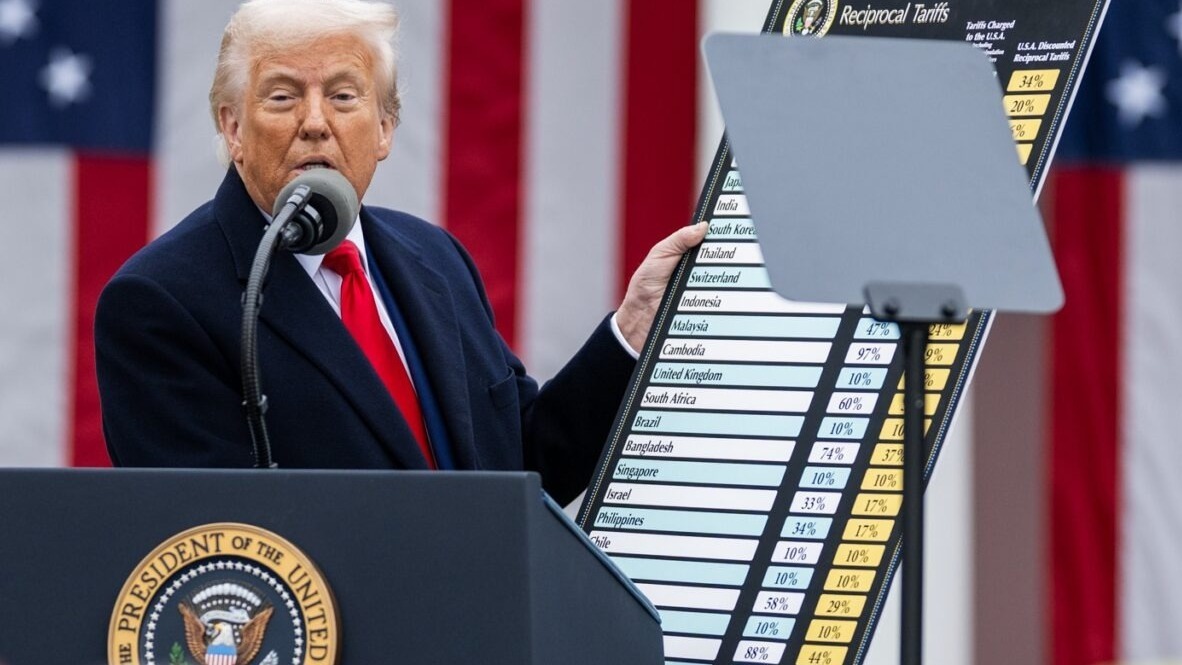
Tariffs. Trade levies imposed or expanded in early 2026 on categories including industrial components, steel, aluminum, and consumer electronics are now visible in the PPI data. Manufacturers and retailers absorbing higher costs on imported inputs face a choice between squeezing their own margins or raising prices for customers. The 6% annual PPI increase suggests many are choosing the latter, or soon will.
Who feels it most
The BLS averages cover all private nonfarm employees as a single group, which smooths over significant variation. Workers in lower-wage service jobs, who spend a larger share of their income on food, fuel, and housing, are almost certainly experiencing the real-wage erosion more acutely than higher-paid professionals with more budgetary slack. A 0.3% real decline on a $20-an-hour paycheck leaves far less room to absorb a grocery bill that keeps climbing.
Geography matters, too. Workers in energy-dependent regions face a double squeeze: higher local fuel costs and employment tied to commodity-price swings. Meanwhile, renters in tight urban markets like Phoenix, Miami, and parts of the Northeast are contending with shelter inflation that exceeds the national average.
Industry-level breakdowns from the BLS are still forthcoming, but early signals from employer surveys suggest that sectors like healthcare and technology continue to deliver above-average raises, while retail and hospitality workers are seeing flatter pay growth. If that pattern holds, the gap between who is keeping up with inflation and who is falling behind will widen.
The Federal Reserve’s narrowing options
April’s inflation data land squarely in the middle of a debate the Federal Reserve has been trying to avoid. Policymakers held the federal funds rate steady through early 2026, signaling patience while they waited for clearer evidence that price pressures were fading. A 3.8% annual CPI reading and a 6% PPI surge make that patience harder to maintain.
Rate cuts, which futures markets had been pricing in for the second half of 2026, now look less likely unless inflation reverses quickly. Cutting rates while prices are reaccelerating would risk undermining the Fed’s credibility on its 2% inflation target. But holding rates high for longer adds pressure on housing affordability and business investment, both of which are already strained. For workers, the Fed’s path matters directly: tighter monetary policy tends to cool hiring and moderate wage growth, which could deepen the real-wage decline even as it works to bring prices down.
Consumer spending accounts for roughly two-thirds of U.S. GDP. If falling real wages push households to pull back on discretionary purchases, the slowdown could feed on itself: weaker spending leads to softer business revenue, which leads to more cautious hiring, which leads to even less wage pressure. That is the scenario the Fed is trying to thread a needle to avoid.
How long the squeeze could last
Whether April marks the start of a prolonged real-wage decline or a temporary setback depends on variables that are genuinely uncertain.
On the optimistic side, the 6% annual PPI figure includes base effects from relatively subdued wholesale prices a year ago. As those comparisons roll forward, the year-over-year rate could moderate even if monthly gains stay elevated. Energy prices are notoriously volatile and could ease if OPEC+ policy shifts or if a cooler-than-expected summer dampens fuel demand.
On the other side of the ledger, the structural pressures look durable. Shelter costs are unlikely to reverse quickly without a meaningful increase in housing supply, which takes years to materialize. Tariff-driven import prices will persist as long as the current trade policies remain in place. And with nominal wage growth trending at 3.6% rather than 4% or higher, workers have a thinner cushion against any further price acceleration.
The last time real wages were consistently negative, during the inflation spike of 2022, it took more than a year of cooling prices and resilient hiring before purchasing power recovered. If the current episode follows a similar pattern, the relief workers had grown accustomed to since late 2023 may not return until well into 2027.
For now, the April 2026 data carry a straightforward message: paychecks are growing, but not fast enough. Until either prices slow meaningfully or employers start offering bigger raises, American workers will keep losing ground.