U.S. Customs and Border Protection told the Court of International Trade on August 25, 2026 that it has certified $106.6 billion of a $166 billion refund pool tied to tariffs the Supreme Court struck down earlier this year, even as the next stage of that payout process has quietly stalled. The tariffs that created this pool raised prices on a wide range of imported goods, from appliances to clothing, for more than a year before a court voided them. The pace of the refund effort now underway shows how long it can take for government money to actually move once a judge has ordered it returned, even when the government itself has already agreed the amount is owed.
The Ruling Behind the $166 Billion Pool
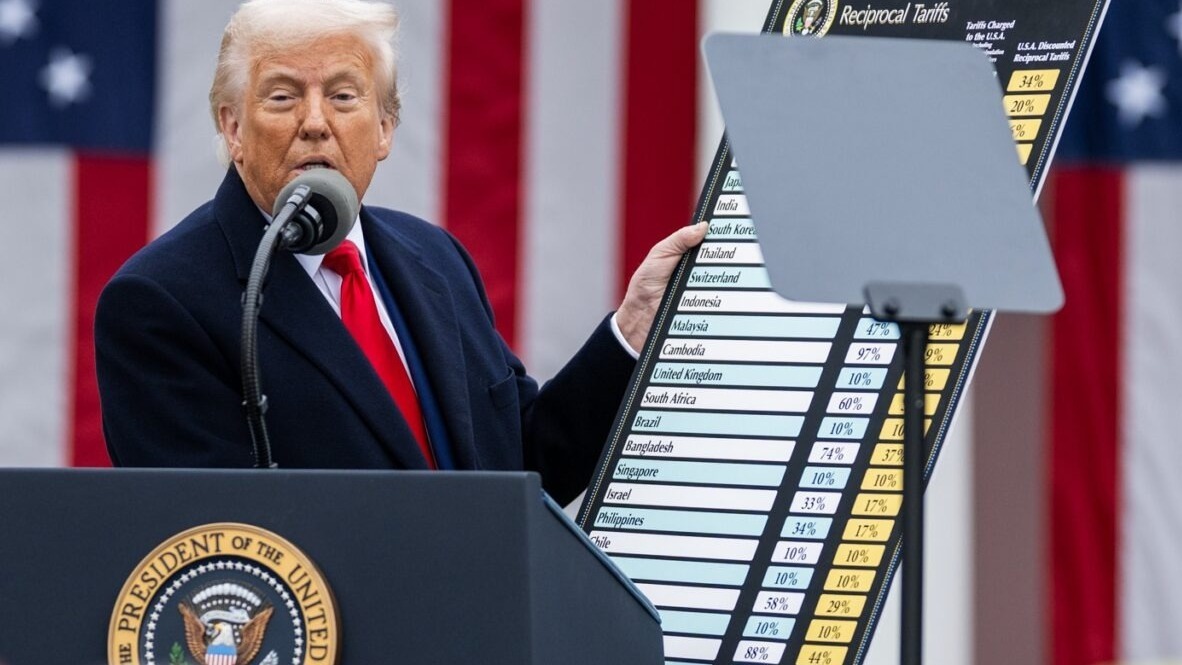
On February 20, 2026, the Supreme Court ruled 6-3 in Learning Resources v. Trump that the International Emergency Economic Powers Act does not give a president the authority to impose the sweeping tariffs the administration had applied to imports from dozens of countries, according to a Congressional Research Service summary of the decision. The ruling struck down two separate rounds of IEEPA tariffs, one tied to declared emergencies involving Canada, Mexico and China and another applied more broadly to other trading partners, and it required the government to return duties it had already collected from the businesses that paid them.
Customs and Border Protection says the refund obligation covers roughly $166 billion in IEEPA duties owed to as many as 330,000 importers across more than 53 million entries, according to Fortune’s reporting on Treasury data. To manage a refund of that size, the agency built a processing tool called the Consolidated Administration and Processing of Entries system, or CAPE, described on CBP’s own IEEPA duty refund page, which lets an importer of record or a licensed customs broker submit thousands of entries in a single electronic filing rather than seeking a refund one shipment at a time.
Free retirement updates: Want plain-English help keeping more of your money in retirement? The free Retirement Shield newsletter covers the benefits, deadlines, and money mistakes that cost retirees, a couple times a week. Subscribe free.
How Much Money Has Actually Moved
In its August 25 filing, CBP reported that about 26.4 million entries had been accepted into CAPE as of 3 p.m. Eastern on August 21, representing roughly $132.5 billion in potential and certified refunds. Of that amount, the agency said $106.6 billion in duties and interest had already been fully processed, certified, and sent to the Treasury Department for disbursement, according to trade publication J.M. Rodgers’ account of the court filing, which works out to close to 64% of the entire $166 billion pool CBP says it eventually has to return.
The same filing flagged a separate holdup: 22,170 individual refunds worth about $1.7 billion had not yet been sent to Treasury because the importer of record or its authorized broker had not supplied the banking information CBP needs to complete an electronic transfer. Until that paperwork step is finished, those refunds sit in a processing queue rather than in a company’s account, no matter how long ago the underlying entry itself was approved for payment. CBP has separately reported that roughly 2.3 million entries flagged for a different process, called reconciliation, had also been filed successfully in CAPE as of the same date.
Why CAPE Phase 3 Has No New Launch Date
CBP also told the court that it has delayed the next stage of the program, known as CAPE Phase 3, while it builds additional system checks. Phase 3 is meant to cover entries that were already finally liquidated on the books but that the Court of International Trade separately ordered CBP to reliquidate, a more complicated category of paperwork than the entries handled in the first two phases of the program.
According to the agency’s filing, the added validations are designed to keep the reliquidation process from changing other duties, taxes, or fees tied to the same shipment, and to catch cases where the original entry misreported how much IEEPA duty was actually paid. CBP has not set a new deployment date for Phase 3, though it says Phases 1 and 2 continue processing refunds normally in the meantime, and that the delay does not affect refunds already certified under those two phases.
The Refunds Go to Importers, Not Shoppers at Checkout
Even as the certified total climbs, the money is not being mailed or deposited into the accounts of ordinary shoppers who paid higher prices at the register while the tariffs were in effect. CBP sends refunds to the importer of record, the company that filed the customs paperwork and paid the duty directly to the government, not to the retail customer who may have absorbed some of that added cost in a higher shelf price. There is no federal program that sends a check directly to an individual consumer under this refund effort.
A small number of shipping companies, including UPS, FedEx and DHL, have set up their own refund portals to pass savings back to customers on a rolling basis as government money comes in, according to CBS News’ consumer guide to the refunds. That remains a business choice rather than a legal requirement, and shoppers in several states have filed lawsuits against retailers over the issue, arguing companies should not be allowed to keep both the earlier price increase and the government’s refund at the same time.
This article was produced with AI assistance and reviewed by The Financial Wire editorial team.
More Financial Reading
- Adding someone to your bank account: tax traps and smart moves
- The ideal retirement withdrawal rate so your savings actually last