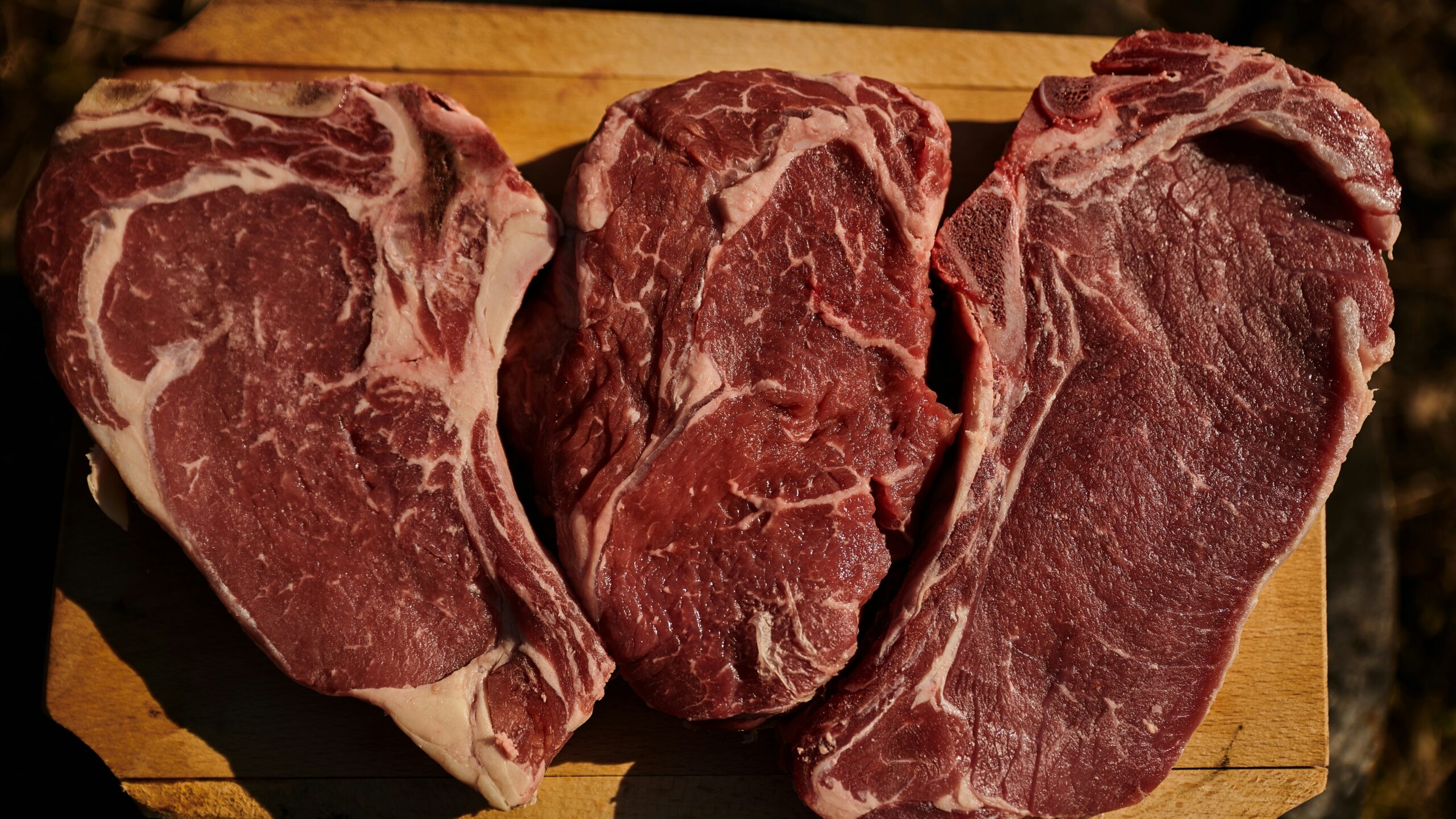
The price Americans pay for a pound of steak has never been higher, and it keeps climbing. Federal data shows the national average for uncooked beefsteak reached $13.02 per pound in April 2026, the most expensive single month on record. That follows a February reading of $12.74 and a March reading of $12.73, meaning shoppers have now endured three consecutive months of record-breaking steak prices heading straight into grilling season. The headline figure of $12.74 per pound reflects the February 2026 reading, the month in which steak first crossed into record territory. By April, the record had already been broken again at $13.02.
Memorial Day lands on May 25 this year. For the millions of families planning their first big cookout of the summer, the math is brutal. The American Farm Bureau Federation, which publishes an annual summer cookout cost survey, estimates that a holiday spread for 10 people now runs about $103. Steak is the single biggest line item on that receipt. (The AFBF has not yet published a direct URL for its 2026 survey release; the link above points to the federation’s homepage, where the full report is expected to appear.)
Three straight months of record steak prices
The Bureau of Labor Statistics tracks a broad category called “All uncooked beefsteaks, per lb.” under series code APU0000FC3101. It covers everything from bone-in ribeyes to frozen sirloin strips, organic and conventional, across thousands of stores nationwide. The Federal Reserve’s data portal, updated May 12, 2026, tells the story in three numbers:
- February 2026: $12.74 per pound
- March 2026: $12.73 per pound
- April 2026: $13.02 per pound
These are not seasonally adjusted. They reflect what people actually paid at checkout. For perspective, the same series averaged approximately $11.46 per pound in April 2024 (BLS figure, rounded to the nearest cent), which means steak has jumped more than 13% in two years. Go back to April 2019, before the pandemic reshaped the meat case, and the average sat at approximately $8.83 (also a BLS figure, rounded to the nearest cent). That is a 47% increase in seven years.
The next BLS data release is scheduled for June 10, 2026. Shoppers filling their carts for Memorial Day weekend will be flying blind on federal numbers until well after the holiday is over.
What the $103 cookout estimate actually covers
The $103 figure does not come from a government agency. The American Farm Bureau Federation surveys retail prices each year to build a representative holiday menu: burgers, steak, chicken, buns, sides, condiments, and drinks for 10 people. The survey has become the standard benchmark for Memorial Day and Fourth of July grocery coverage, and the 2026 edition reflects the same upward pressure visible in the BLS steak data. For comparison, the AFBF pegged the same 10-person cookout at about $71.22 in its 2024 survey and about $67.73 in 2023, meaning the estimated cost has risen roughly 45% in just three years.
Actual costs for any given household will vary. A family in Dallas buying Choice ribeyes at a warehouse club pays a different price than a family in Boston picking up grass-fed strips at a neighborhood market. But the direction has been consistent for years: the cookout keeps getting more expensive, and beef is the reason the total keeps climbing.
Why beef prices keep breaking records
The U.S. cattle herd has been shrinking for years, and the squeeze is now fully visible at the meat counter. The USDA’s January 2026 cattle inventory report confirmed that the national herd remains near its smallest size in decades. Prolonged drought across major ranching states forced producers to sell off breeding stock rather than pay for expensive feed and scarce water. Fewer cattle in the pipeline means less beef at wholesale, which pushes retail prices higher.
Trade policy is compounding the problem. Tariffs on imports and retaliatory measures affecting U.S. beef exports have disrupted the normal flow of product across borders, tightening domestic supply in some categories and creating planning headaches for ranchers. The USDA Economic Research Service tracks retail, wholesale, and farm-level price spreads for Choice beef, and that data shows elevated prices are not simply a matter of grocery chains padding margins. Costs are rising at every stage, from the ranch gate through the packing plant to the refrigerated case.
Processing bottlenecks and meatpacking labor costs also play a role, though isolating their individual contributions is difficult. Weather, feed prices, export demand, diesel, and wages all feed into the final number printed on a package of ribeye.
What the federal data can and cannot show
The BLS average price series is one of the most reliable consumer datasets the government produces. It captures real transaction prices from thousands of retail outlets, including sale prices and temporary spikes. When the series prints $13.02 per pound, that number carries weight.
But it has blind spots. The series reports a simple average, not a quality-adjusted index. If consumers trade down to cheaper cuts, the average can dip even while premium steaks stay historically expensive. Regional variation is another gap: the BLS steak series reports a single U.S. city average, so a shopper in Omaha and a shopper in San Francisco see the same national number despite potentially very different local prices.
How families are rethinking the Memorial Day grill
Record steak prices have not killed the backyard cookout. They have reshaped it. Many families are buying smaller portions of steak and filling the rest of the grill with chicken thighs, sausages, or vegetable skewers. Chicken, while also more expensive than it was before the pandemic, remains far cheaper per pound than beef. Pork ribs and chops offer another way to keep the spirit of a grilled holiday meal without absorbing the full shock of $13 steak.
Other shoppers are starting their deal-hunting earlier. Warehouse club memberships, online grocery promotions, and store-brand options have all become bigger parts of pre-holiday planning. Some families are splitting the cost among multiple households, turning what used to be a single-family expense into a shared potluck.
None of these adjustments appear in the federal spreadsheets. The BLS tracks what people pay, not how they rearrange their menus to cope. But the shift is real, and it is the clearest sign of how a $13-per-pound statistic translates into changed plans at the grill.
Key dates for beef watchers through June 2026
The June 10 BLS release will show whether May brought any relief or pushed the record even higher. The USDA’s cattle-on-feed reports, published monthly, will signal how much beef is in the pipeline for the rest of the summer. And the Farm Bureau’s Fourth of July cookout survey, typically released in late June, will offer the next snapshot of what a holiday meal costs at the register.
For now, the numbers are what they are. Steak has never cost this much. The cookout is not going anywhere, but the grocery list is getting a serious edit.