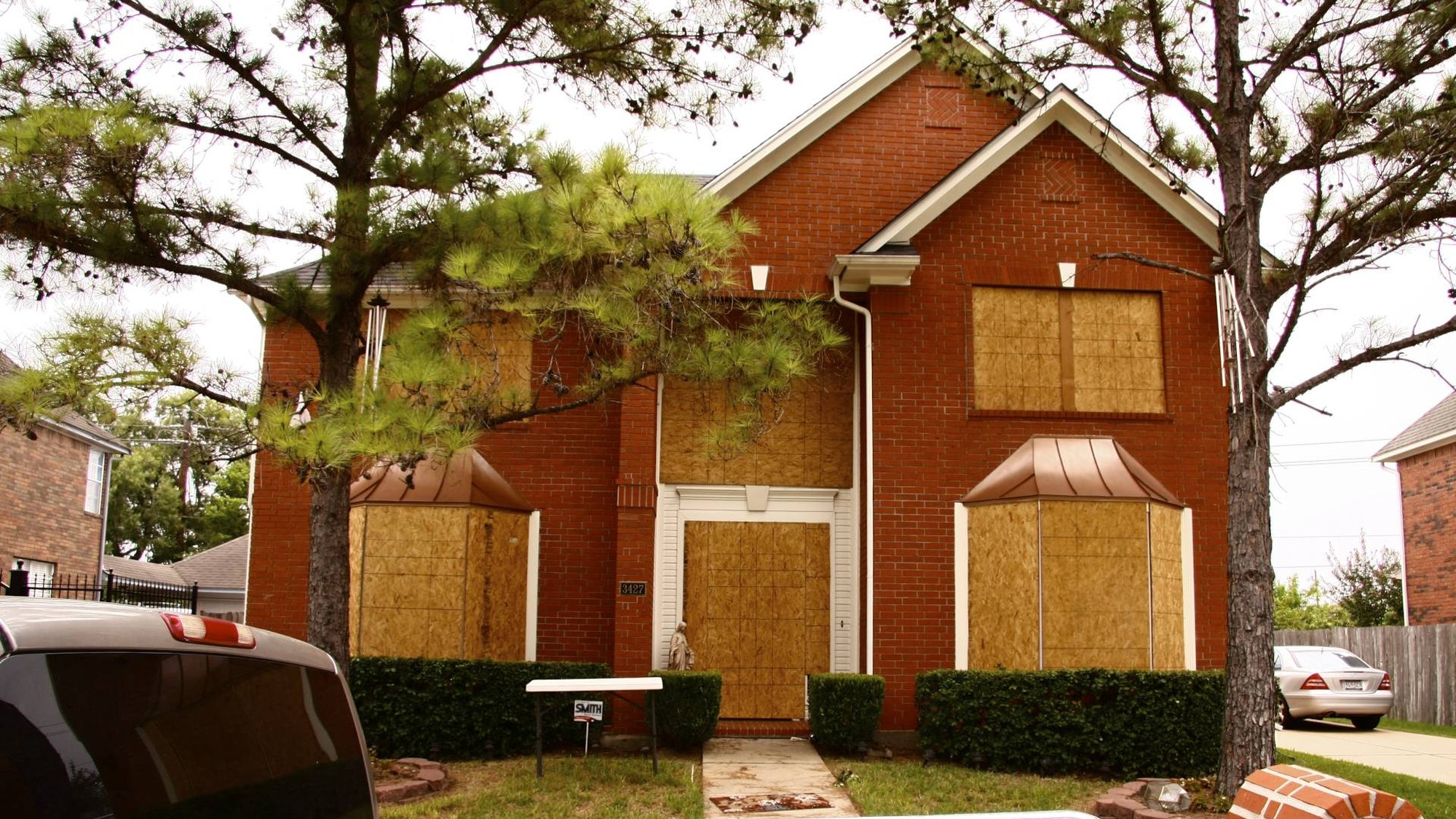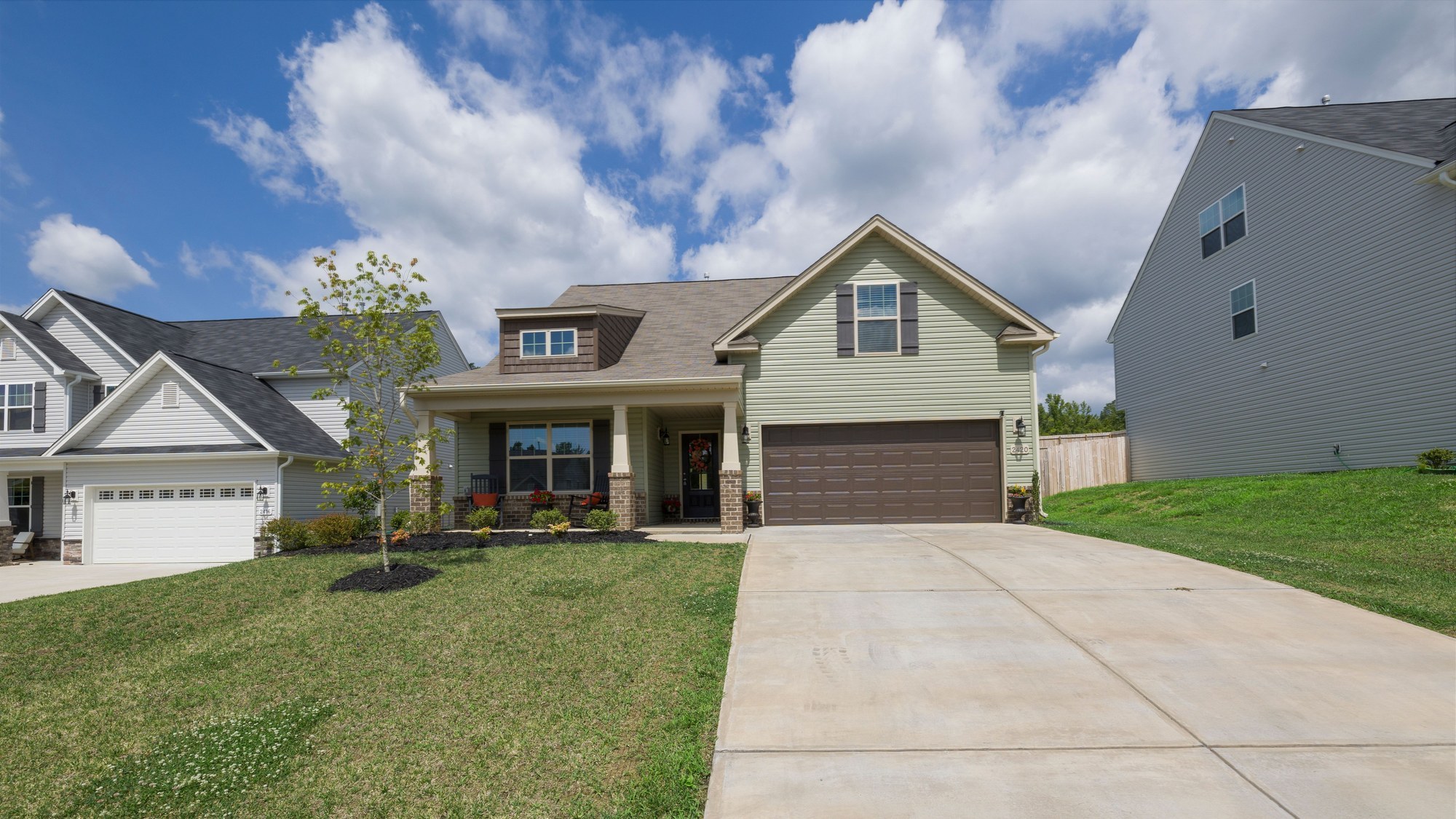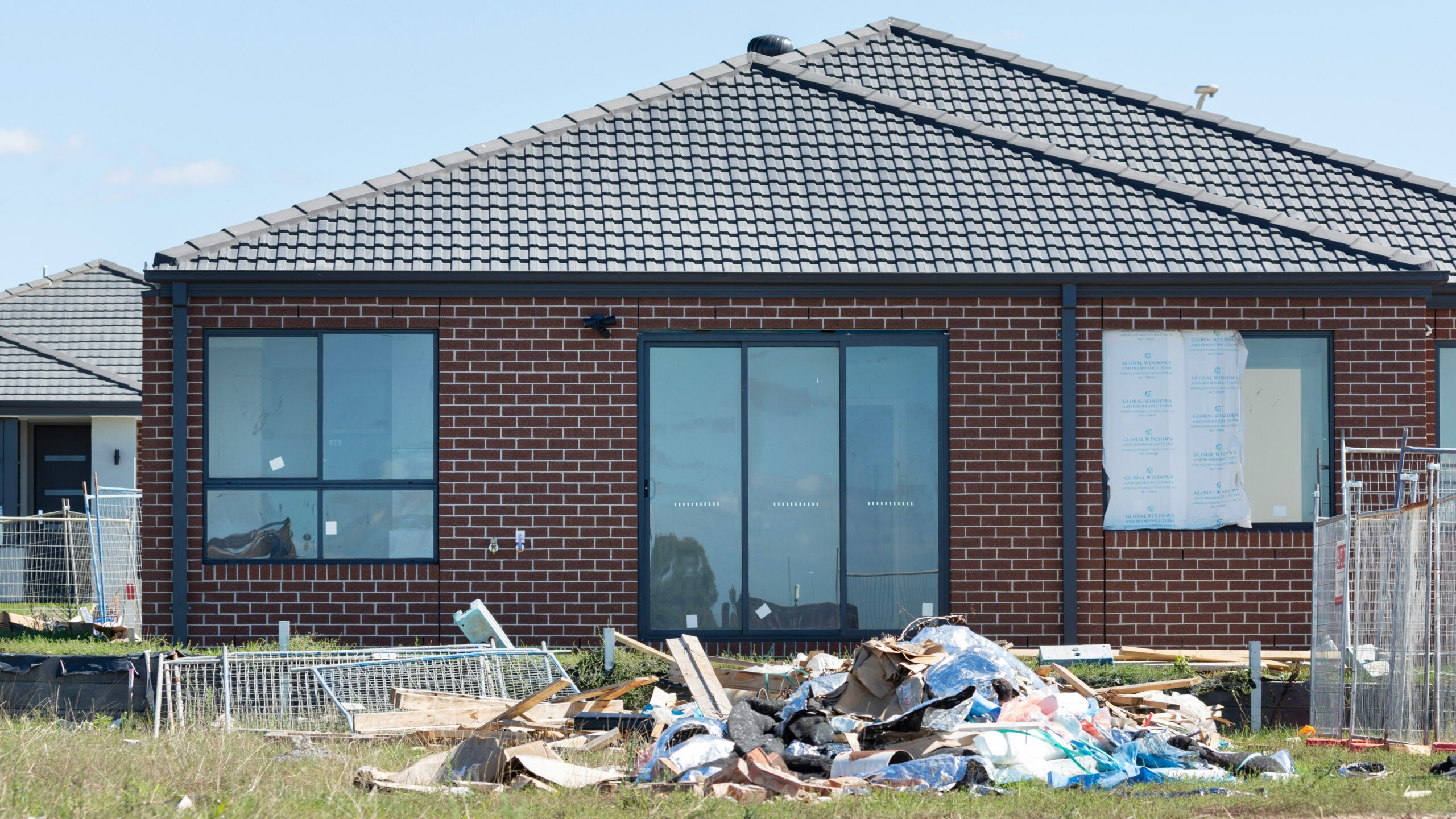
A Florida homeowner renewing their policy in 2026 can expect to pay roughly $10,240 a year for coverage, according to industry estimates. That figure sits 189 percent above the national average and marks the fifth consecutive year of increases, a streak that has turned property insurance into one of the most destabilizing costs of owning a home in the state.
To put it plainly: in many Florida ZIP codes, the annual insurance bill now rivals or exceeds the property tax bill. For a household earning the state’s median income of roughly $67,000, insurance alone consumes more than 15 percent of gross earnings before a single mortgage payment is made.
The pressure is not confined to Florida, but it is most severe there. A report from the U.S. Government Accountability Office (GAO-26-107867) found that homeowners insurance premiums nationwide generally tracked inflation between 2019 and 2024, with a sharp exception: states repeatedly battered by hurricanes, wildfires, and severe convective storms saw inflation-adjusted premiums climb far faster, a finding detailed in the report’s analysis of state-level premium trends relative to the Consumer Price Index. The GAO singled out Florida, Louisiana, and Oklahoma as the three states where insurance costs consume the largest share of household income.
Why Florida stands apart
Florida’s crisis is not simply a function of expensive real estate or beachfront mansions. Several forces have compounded over the past five years, each feeding the next:
- Reinsurance costs surged after Hurricane Ian. When Hurricane Ian made landfall in September 2022 as a Category 4 storm, it generated an estimated $50 billion-plus in insured losses, according to Swiss Re. Global reinsurers responded by raising the prices they charge Florida carriers for catastrophe coverage, and those costs flow directly into policyholder premiums. Reinsurance rates have moderated somewhat since their 2023 peak, but they remain well above pre-Ian levels.
- Years of litigation abuse drained carrier reserves. Florida historically accounted for roughly 8 percent of the nation’s homeowners insurance claims but nearly 80 percent of its homeowners insurance lawsuits, according to data cited by the Florida Governor’s office. The state legislature passed tort-reform measures in late 2022 (SB 2-A) and 2023 (SB 7052) to curb one-way attorney fee provisions and assignment-of-benefits abuse. Early indicators suggest lawsuit filings have dropped, but the financial drag from years of elevated litigation is still working through carrier balance sheets.
- Carriers left or shrank. Since 2020, more than a half-dozen Florida-focused insurers have gone insolvent, and several national carriers have reduced their exposure. Public filings available through the state’s insurer search portal document the shrinking roster. Fewer competitors means less downward pressure on pricing.
- Citizens Property Insurance ballooned. As private carriers pulled back, Florida’s state-backed insurer of last resort, Citizens Property Insurance Corporation, swelled past 1.2 million active policies by late 2023, a level the state considers a systemic risk because a single catastrophic hurricane could trigger assessments on nearly every policyholder in Florida. Citizens has since been working to move policies back to private carriers through its “depopulation” program, but the process is gradual, and homeowners who get moved do not always land on a lower rate.
The Florida Office of Insurance Regulation tracks these shifts through its Residential Market Share data, published on its tools and data portal. Those datasets document the multi-year climb in aggregate premiums, the changing mix of carriers willing to write policies, and the volume of “takeout” activity as Citizens attempts to shrink.
Where the data still has holes
The upward trend is unmistakable, but some important details remain fuzzy as of mid-2026. Full year-by-year premium and policy-count tables for 2024 have not yet been released through the Florida Office of Insurance Regulation’s Market Intelligence Reports. Without those figures, it is difficult to confirm whether the pace of increases accelerated or began to flatten in the most recent cycle.
There is also no clean public breakdown showing how much of each premium dollar goes to reinsurance versus claims payouts and operating costs. That distinction matters because reinsurance pricing can spike after a single catastrophic season and stay elevated for years, even when a carrier’s own loss experience improves. And updated household-income ratios beyond 2023 have not appeared in either the GAO or state-level data, meaning the most recent affordability snapshot may not account for wage growth that could slightly narrow the gap.
What Florida homeowners can do right now
The picture is not entirely grim. Florida’s tort reforms appear to be reducing new lawsuit filings, and several carriers, including some backed by fresh capital, have re-entered the market or expanded their Florida appetite in 2025 and early 2026. For homeowners staring down a renewal notice, these strategies are worth the effort:
- Shop aggressively and shop early. With the carrier mix shifting, quotes can vary by thousands of dollars for the same property. The Florida Office of Insurance Regulation’s website lists every admitted carrier writing residential policies in the state. Start gathering quotes at least 60 days before your renewal date.
- Get a wind-mitigation inspection. Florida law requires insurers to offer premium discounts for wind-mitigation features: hurricane straps, impact-resistant windows, a hip roof, secondary water barriers. A certified inspector can document qualifying features for roughly $75 to $150, and the resulting credits often save several hundred dollars a year.
- Understand your Citizens options. Homeowners who cannot find affordable private coverage may qualify for a Citizens policy. Be aware that Citizens’ own rates have risen and the insurer imposes dwelling coverage limits ($700,000 in most counties). Citizens also carries the risk of post-hurricane surcharges.
- Raise your hurricane deductible, but do the math first. Increasing a hurricane deductible from 2 percent to 5 percent of a home’s insured value can lower premiums meaningfully. On a home insured for $400,000, though, that means absorbing $20,000 out of pocket after a storm instead of $8,000. Only take this step if you have the reserves to cover it.
- Do not forget flood insurance. Standard homeowners policies in Florida do not cover flood damage. Homeowners in flood-prone areas should check their exposure through the National Flood Insurance Program or private flood carriers, especially as FEMA’s Risk Rating 2.0 has repriced many policies.
Insurance costs are now a force in Florida’s housing market
Five years of compounding premium increases have started to reshape where and whether people buy homes in Florida. Real estate agents in coastal counties report that insurance quotes are killing deals: a buyer qualifies for the mortgage but balks when the insurance estimate arrives. In some storm-exposed ZIP codes, annual premiums on older homes without mitigation features can exceed $15,000, a figure that pushes total housing costs past what many middle-income families can absorb.
The open question is whether the reforms and market re-entries of the past two years will translate into real relief on renewal notices. Reinsurance pricing, the Atlantic hurricane season, and the pace at which tort reform reduces carrier losses will all shape what comes next. Until more complete 2024 data and updated income figures are released, precise forecasts deserve skepticism.
But for the roughly seven million homeowner households in Florida, the math is not abstract. It is the difference between staying in a home and being slowly priced out of it.