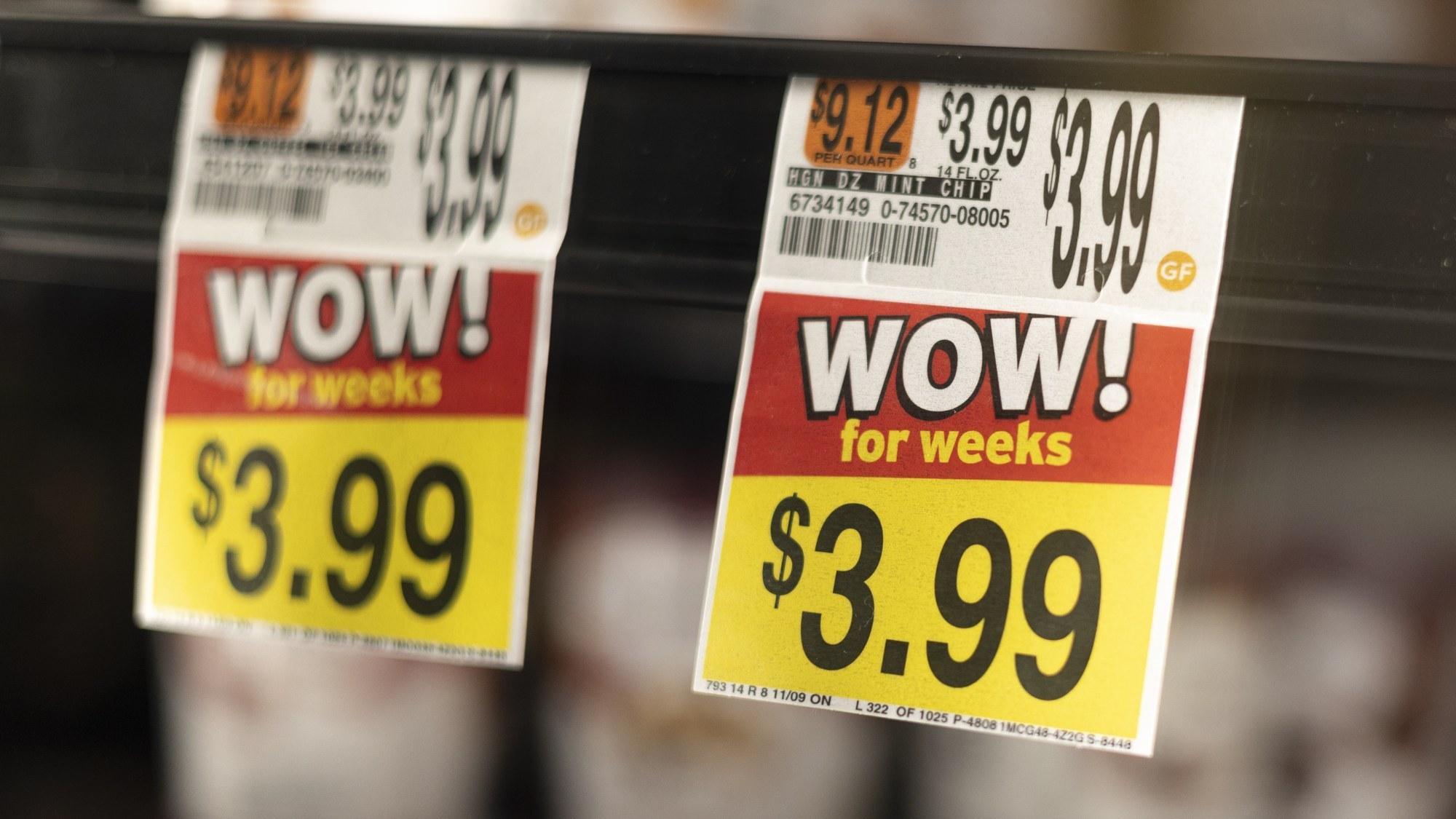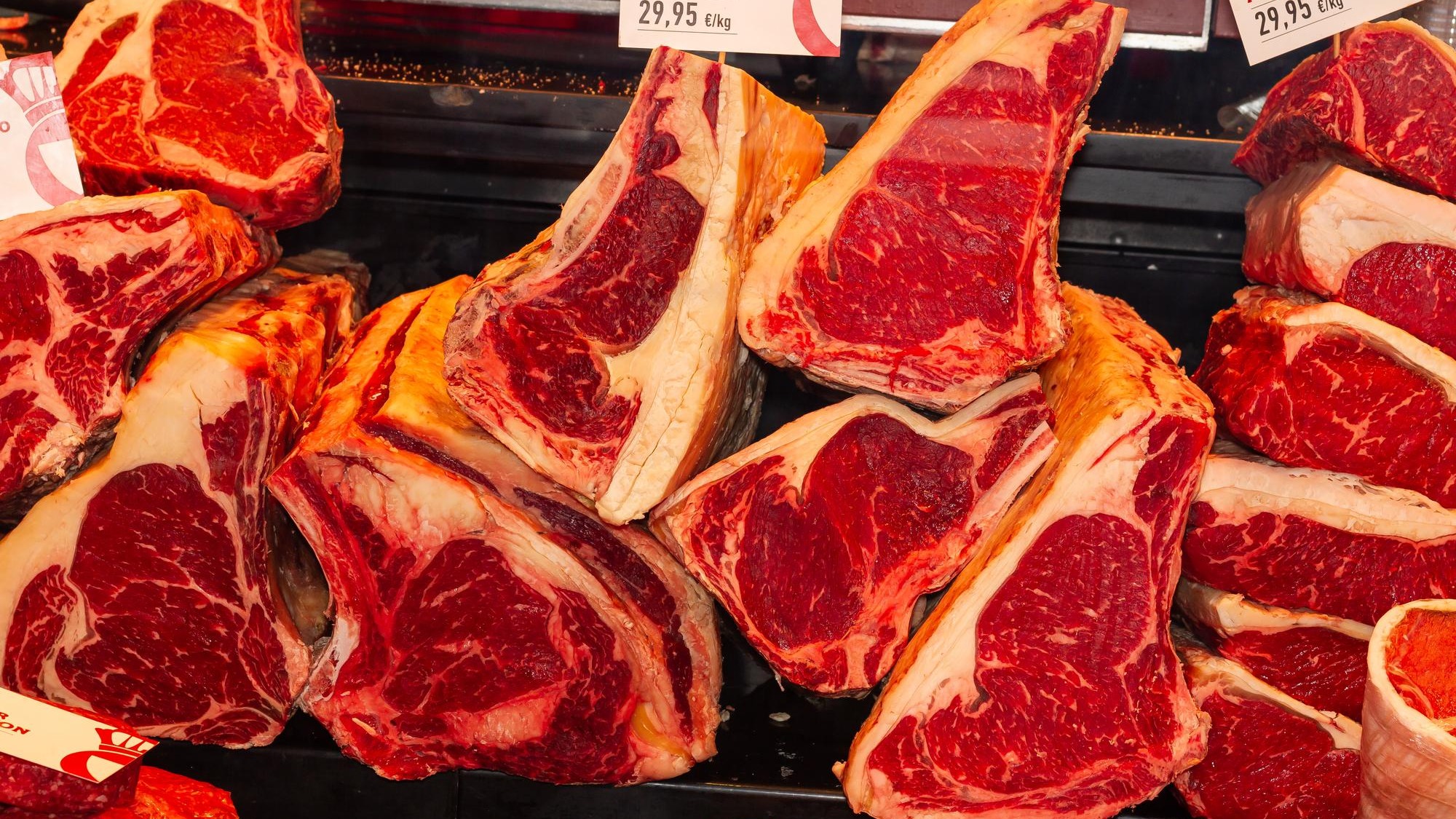
The price of a backyard steak dinner keeps setting records, and the timing could not be worse for anyone planning a Memorial Day cookout. The national average for uncooked beef steaks reached $13.02 per pound in April 2026, according to Bureau of Labor Statistics data published by the Federal Reserve Bank of St. Louis. That figure has not yet been independently verified through the linked FRED source, as the April 2026 data point may not be published at the time of writing. It surpasses the previous all-time high of $12.74 per pound set in February and marks the latest peak in a climb that has added dollars, not just cents, to every trip down the meat aisle since 2020.
For a holiday that revolves around the grill, the math is sobering. A cookout spread for 10 people now runs roughly $103, a figure drawn from the American Farm Bureau Federation’s annual summer cookout cost survey. The AFBF typically publishes its cookout survey around the Fourth of July rather than Memorial Day, so the $103 estimate may represent an extrapolation from recent survey data rather than a figure tied specifically to Memorial Day 2026. The exact total shifts depending on region and menu, but the overall trend points upward: feeding a crowd over charcoal has never cost this much.
Why beef prices keep breaking records
The core problem is supply. The U.S. cattle herd has been contracting for years after prolonged drought across Texas, the Southern Plains, and other major ranching regions forced producers to send breeding cows to slaughter rather than rebuild. USDA cattle inventory reports released in January 2024 and January 2025 both confirmed the national herd at its smallest size since the early 1960s, though neither report is linked here and specific herd totals vary by release. Fewer cattle moving through feedlots means fewer carcasses reaching packing plants, and when that thinning supply meets steady consumer demand, retail prices move higher year after year.
Export competition has intensified the squeeze. American beef commands premium prices in Japan, South Korea, and other overseas markets, and packers bidding for a limited pool of finished cattle pass those procurement costs forward to domestic retailers. At the store level, BLS field agents collecting prices across roughly 75 metro areas have documented the national steak average climbing from under $9 per pound in early 2020 to the current record above $13.
Trade policy adds another layer of uncertainty heading into summer 2026. Tariff actions and retaliatory measures affecting agricultural goods have shifted export flows and input costs for ranchers in ways that are still playing out. While no single policy change explains the full price surge, the broader trade environment has kept the cattle market on edge.
The pressure is visible well beyond grocery stores. Darden Restaurants, parent company of LongHorn Steakhouse and Olive Garden, highlighted elevated beef costs in its most recent quarterly SEC filing for the period ending February 2026. Management noted that higher food and beverage expenses, driven in part by beef, continued to compress profit margins even as the company managed customer traffic across its restaurant brands. When a publicly traded chain pulling in billions of dollars a year flags beef inflation in a regulatory document, it confirms the cost spike is broad enough to travel from ranch gate to restaurant table to your backyard grill.
What the numbers actually show
The BLS tracks average retail prices for “All Uncooked Beef Steaks” under series APU0000FC3101, one of the most detailed food-price measures the federal government publishes. Here is the recent path:
- February 2026: $12.74 per pound, a record at the time.
- March 2026: $12.73, essentially flat.
- April 2026: $13.02, a new all-time high.
Because the series covers all uncooked steak cuts rather than a single premium item like ribeye or filet mignon, it smooths out some of the week-to-week volatility shoppers notice when comparing one cut to another. It also means the record is not being driven by one luxury product pulling the average up. The broad steak category, from sirloin to strip to flank, is more expensive across the board.
For context, ground beef offers a cheaper alternative but has followed a similar upward curve. The BLS average for regular ground beef hovered near $5.50 per pound through much of late 2025 and early 2026, well above its pre-pandemic baseline. Trading down from steaks to burgers still saves money per pound, but the savings are smaller than they used to be.
Regional differences still matter. BLS data show that Midwest retail prices have historically run below the national average, so shoppers in parts of the country’s interior may find somewhat lower price tags. But even those discounted regional figures sit well above where they were three or four years ago.
What shoppers still do not know
April is the latest month in the published data. May prices, which would capture the actual shopping window before Memorial Day weekend on May 26, have not been released yet. Retailers sometimes run promotional discounts in the days before a major grilling holiday to pull foot traffic into stores, so it is possible that sale prices will blunt some of the sticker shock for shoppers who plan ahead and compare weekly flyers. It is equally possible that tight wholesale cattle markets will push retail tags even higher. Until BLS publishes its next monthly update, the exact price families will pay the week of the holiday remains an open question.
How households adjust is another variable no one can track in real time. Some will swap ribeyes for chuck steaks or lean more heavily on ground beef, staying within the beef category while lowering their per-pound cost. Others may pivot to chicken thighs, pork ribs, or plant-based patties. Grocery industry observers and meat department managers have noted that shoppers are increasingly mixing proteins on the grill rather than building an entire cookout menu around steak, a practical response to prices that keep climbing.
How to keep Memorial Day under $100
For families determined to put steak on the grill without blowing past a three-figure grocery bill, a few moves can help. Buying in bulk at warehouse clubs like Costco or Sam’s Club often shaves $1 to $2 per pound off supermarket steak prices. Choosing flat iron, tri-tip, or top sirloin instead of premium cuts like New York strip delivers solid beef flavor at a lower price point. Marinating tougher cuts overnight closes the tenderness gap more than most people expect. And splitting the menu by serving a smaller portion of steak alongside grilled chicken thighs or sausages stretches the most expensive protein across more plates.
None of that changes the bigger picture. Beef steaks are more expensive than they have ever been on a national average basis, and the forces behind that, including a shrunken cattle herd, strong global demand, trade uncertainty, and rising input costs for ranchers, are not reversing before the long weekend. Whether your cookout bill lands at $90 or $110 depends on where you shop and what you grill, but record-priced beef is the reality greeting every shopper who walks up to the meat case between now and May 26.