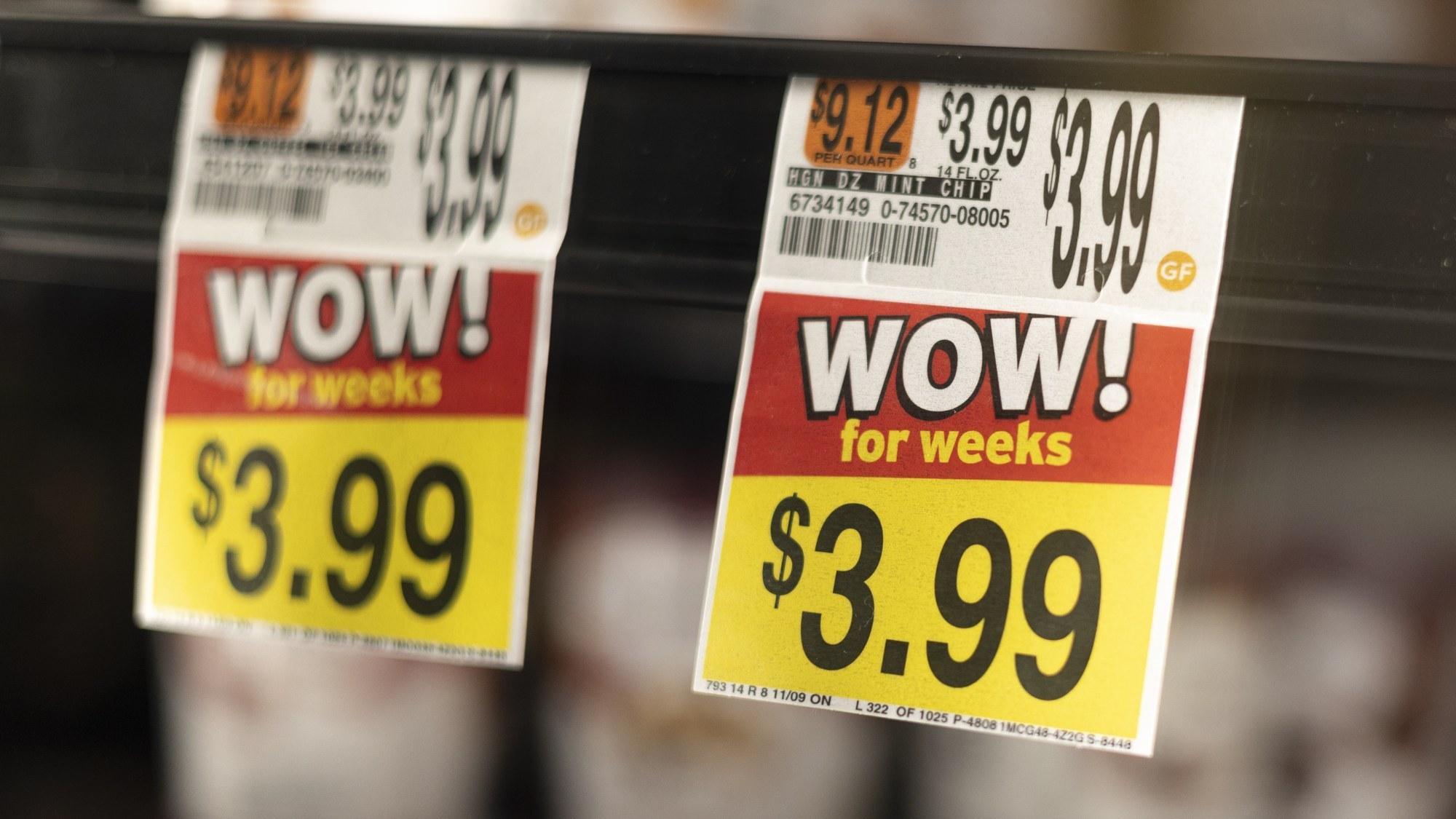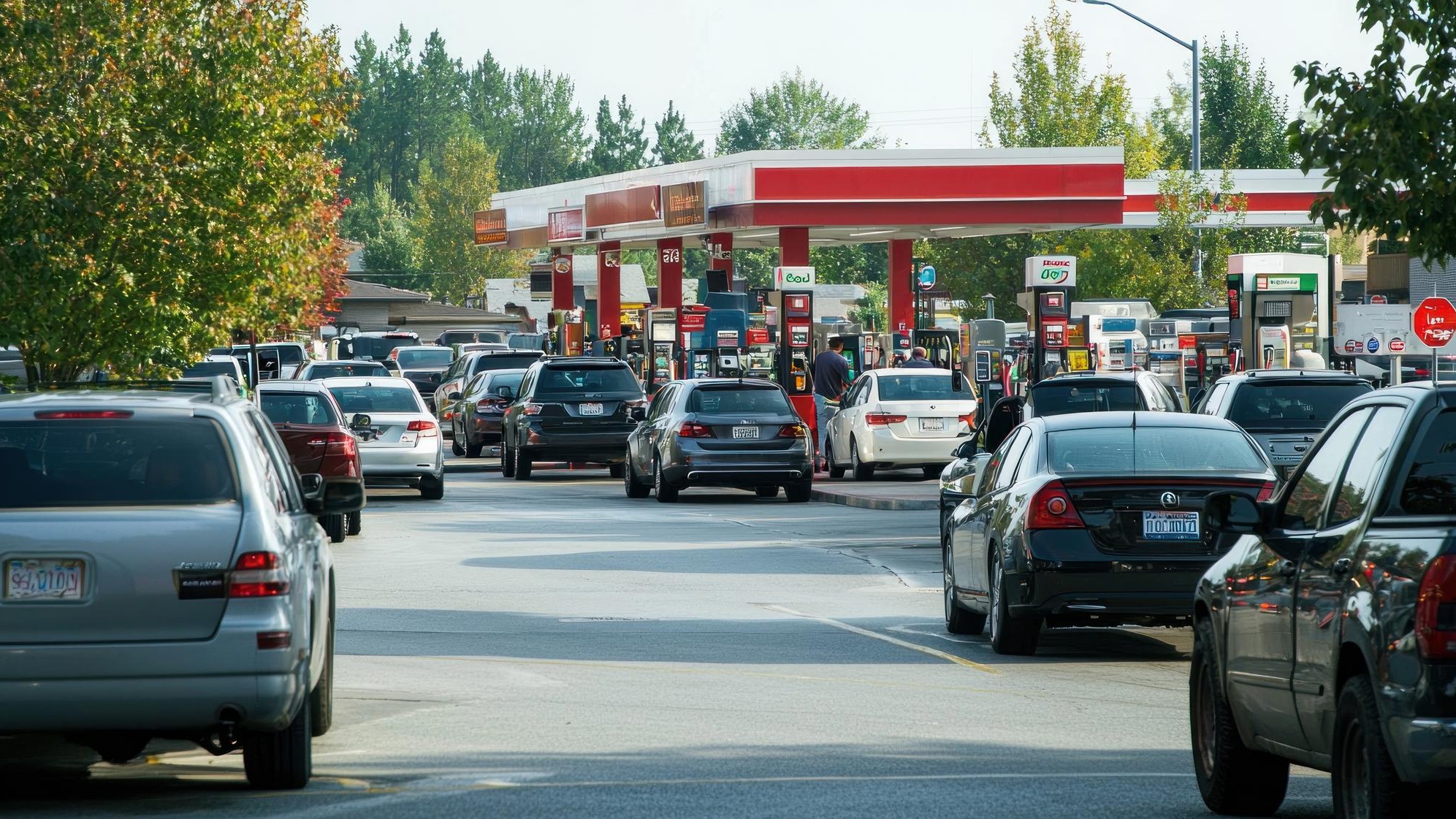
A year ago, filling up before Memorial Day weekend felt almost like a gift. The national average for regular gasoline sat at $3.17 per gallon during the last full week of May 2025, according to the U.S. Energy Information Administration. GasBuddy called it the cheapest inflation-adjusted Memorial Day fill-up since 2003. Some stations briefly dipped below $3.00.
That bargain is gone. Based on the EIA’s weekly retail gasoline data and the upward trajectory of prices through spring 2026, the national average heading into this Memorial Day weekend is tracking near $4.52 per gallon. If that figure holds when the EIA publishes its final pre-holiday reading, it would represent a jump of roughly $1.35 from the same point last year. For a family driving 1,000 miles in a vehicle that gets 25 miles per gallon, the arithmetic is simple and unpleasant: 40 gallons multiplied by $1.35 equals about $54 in extra fuel costs. That is money that could have covered a night at a budget motel, a cooler restocked with groceries, or an afternoon of boardwalk rides. Because the EIA has not yet released its official Monday-before-the-holiday figure, the $1.35 increase and the $54 surcharge should be treated as estimates, not final numbers.
Why prices swung so sharply
Last year’s holiday fell during an unusual stretch of calm in global oil markets. U.S. crude production was running near record highs, OPEC+ was holding output relatively steady, and summer driving demand had not yet kicked in. That combination kept wholesale gasoline costs low and gave station owners room to pass savings along.
Several forces have pushed in the opposite direction this spring. OPEC+ production adjustments earlier in 2026 tightened global crude supply, nudging benchmark oil prices higher. Scheduled refinery maintenance along the Gulf Coast temporarily reduced the volume of finished gasoline reaching the market during the spring turnaround season. On top of that, the annual switch to summer-blend fuel, which the EPA requires between June 1 and September 15 to curb smog-forming emissions, added its usual per-gallon premium. When these pressures stack up at the same time, the pump price climbs fast.
Painful as $4.52 sounds, it would still sit well below the all-time record. In June 2022, after Russia’s invasion of Ukraine sent energy markets into turmoil, the EIA recorded a national average above $5.00 per gallon. This Memorial Day would be expensive by recent standards, but not unprecedented.
What the extra $54 actually looks like
Fifty-four dollars may not sound like a crisis on its own, but it lands on top of other travel costs that have also crept higher. Patrick De Haan, head of petroleum analysis at GasBuddy, has noted in previous holiday forecasts that when gasoline prices rise sharply year over year, families tend to trim spending on meals and entertainment rather than cancel trips outright. That pattern is likely to repeat this Memorial Day, especially because lodging and rental car rates have also climbed during peak weekends.
The hit also depends heavily on what you drive. A full-size SUV averaging 18 MPG would burn about 56 gallons over 1,000 miles, pushing the year-over-year surcharge closer to $75. A hybrid sedan getting 45 MPG would need roughly 22 gallons, trimming the added cost to around $30. Drivers of battery-electric vehicles skip the gasoline math entirely, though public charging prices along interstate corridors carry their own unpredictability.
Geography matters just as much. California drivers routinely pay 80 cents to a dollar more per gallon than the national average, a gap driven by higher state taxes, stricter fuel-blend requirements, and limited in-state refinery capacity. The EIA’s weekly survey breaks out prices by region, and its West Coast readings have consistently run well above the national figure. A family road-tripping from Los Angeles to the Grand Canyon could encounter per-gallon prices above $5.30 at some stations. In contrast, drivers filling up in Texas, Mississippi, or Oklahoma typically pay well below the national figure, softening the year-over-year sting considerably.
How travelers are adjusting
When pump prices have crossed the $4.00 mark in previous cycles, consumer behavior has shifted in predictable ways. Some families shorten their routes, swapping a distant beach for a closer state park. Others consolidate errands, combining a fuel stop with a grocery run to avoid extra miles. Carpooling with another family or splitting gas costs among passengers remains one of the simplest ways to cut the per-person expense.
Price-comparison apps like GasBuddy and Waze can surface the cheapest stations along a planned route, and prices can vary by 30 cents or more between exits on the same interstate. Filling up at warehouse clubs like Costco or Sam’s Club, which GasBuddy data shows typically undercut nearby stations by 10 to 20 cents per gallon, is another option for drivers willing to plan ahead and tolerate the line.
Timing helps, too. Pump prices tend to tick up in the days immediately before a holiday weekend as demand surges, then ease slightly afterward. Leaving a day early or returning midweek can sometimes shave a few cents per gallon off a fill-up, though the savings vary by market.
How the EIA’s next Monday reading will settle the math
The EIA publishes updated national and regional gasoline prices every Monday, and those readings will sharpen the picture as Memorial Day draws closer. A sudden drop in crude oil prices or an early ramp-up in refinery output could pull the holiday average below $4.52, narrowing the gap with 2025. A supply disruption, whether from a hurricane threat in the Gulf of Mexico or an unexpected shift in OPEC+ policy, could widen it.
Drivers who want the most accurate snapshot before loading up the car should check the EIA’s weekly gasoline and diesel update on the Monday before the holiday. That reading will serve as the definitive benchmark for how Memorial Day 2026 stacks up against last year’s unusually cheap fill-up and will tell travelers whether that projected $54 surcharge landed on target or shifted in either direction.