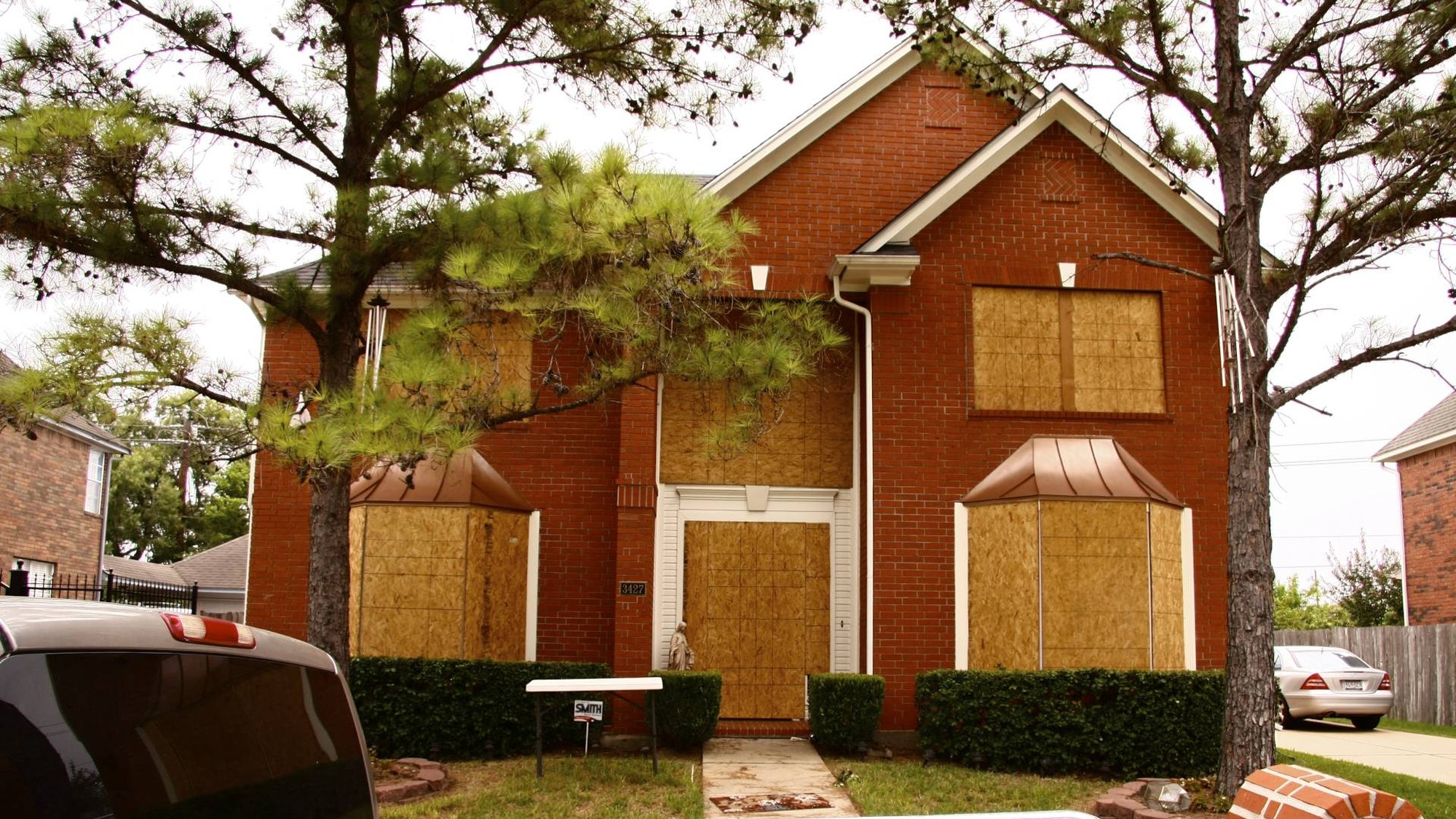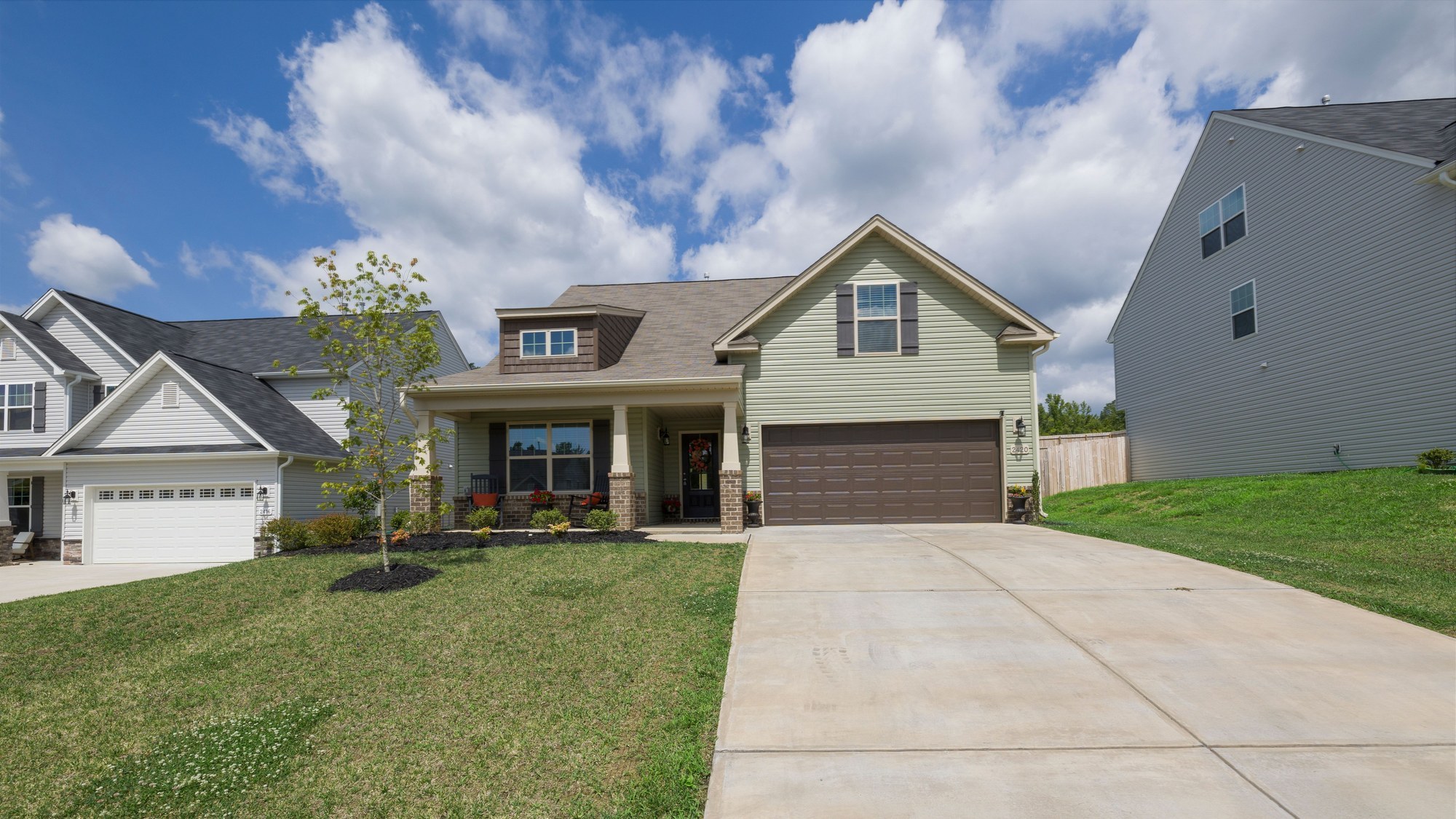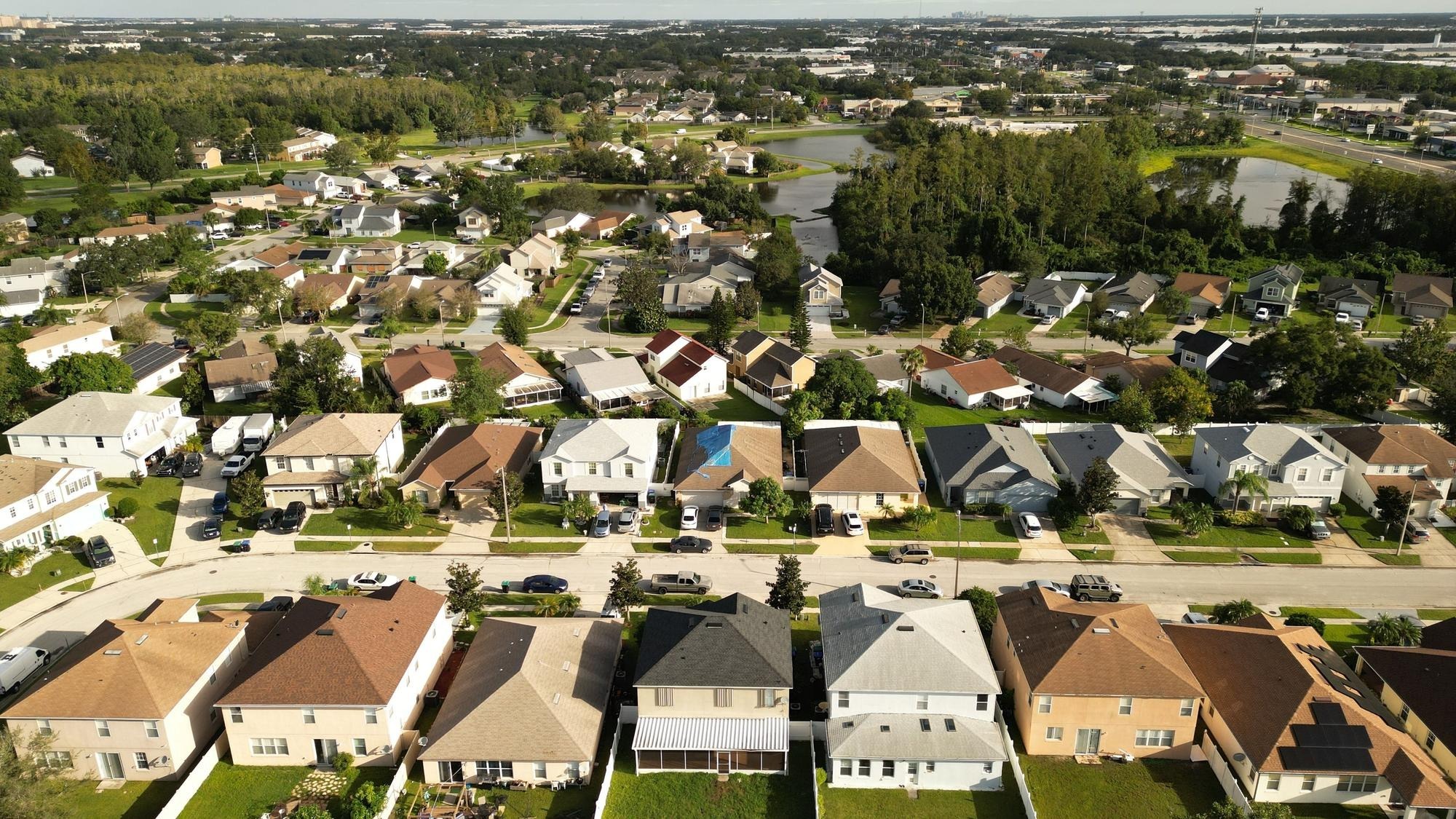
A homeowner who locked in a 2.9-percent mortgage in the spring of 2021 is not going to miss that payment if there is any way to avoid it. Lose the house, and the next loan comes at nearly 7 percent. That calculus, repeated across tens of millions of households, helps explain one of the most striking splits in American consumer finance right now: mortgage borrowers are performing better than almost any time on record, even as credit-card and auto-loan defaults climb.
At the close of 2025, just 0.54 percent of mortgages backed by Fannie Mae were seriously delinquent, according to the Federal Housing Finance Agency’s fourth-quarter foreclosure report. Freddie Mac’s numbers were similarly low. Both readings sit near the best ever recorded for agency-backed loans. Meanwhile, the Federal Reserve’s bank charge-off data shows credit-card net charge-offs running above 4.5 percent on an annualized basis through the most recent reporting period, and auto-loan delinquencies trending upward as well. Two lines on the same consumer-health chart, heading in opposite directions.
Why mortgage borrowers keep paying
The explanation starts with a number most homeowners know by heart: the rate on their existing loan. According to analyses from ICE Mortgage Technology, roughly six in ten outstanding U.S. mortgages still carry a fixed rate below 4 percent, a legacy of the refinancing wave that swept through 2020 and 2021 when the 30-year fixed briefly dipped below 3 percent. As of late May 2026, that same benchmark sits near 6.9 percent, per Freddie Mac’s Primary Mortgage Market Survey. The gap between what locked-in borrowers pay and what a new loan would cost them is enormous, often hundreds of dollars a month on a median-priced home.
That spread creates a powerful incentive to stay current. Walking away from a 3.1-percent mortgage does not just mean losing the house; it means losing a monthly payment that, in many metro areas with tight vacancy rates, is cheaper than renting the same property. When money gets short and a household has to decide which bill to pay first, the mortgage wins almost every time. Researchers who study consumer credit call this the “payment hierarchy,” and the current rate environment has shoved housing to the very top of it.
Home-price appreciation reinforces the dynamic. National prices rose roughly 4 percent year over year through late 2025, according to the FHFA House Price Index, padding equity cushions across the country. A borrower who bought in 2020 with 10 percent down may now sit on 40 percent or more in equity. That buffer means even a temporary income shock, a layoff or a medical bill, rarely pushes an owner into negative equity, the condition that fueled strategic defaults during the 2008 crisis. Selling before falling behind remains a viable escape hatch in ways it simply was not 17 years ago.
Where the stress is showing up instead
The same households protecting their mortgages are, in many cases, leaning harder on unsecured and auto debt. A Federal Reserve research note drawing on New York Fed Consumer Credit Panel and Equifax microdata documents post-pandemic increases in credit-card and auto delinquency rates. The Fed’s analysts frame the rise partly as a return toward pre-pandemic norms after an unusual stretch of suppressed defaults driven by stimulus payments, forbearance programs, and reduced spending during lockdowns.
But “return to normal” understates the pressure on certain groups. Younger borrowers and lower-income households, who are less likely to own homes with locked-in low rates, are absorbing a disproportionate share of the pain. Credit-card balances nationally surpassed $1.2 trillion by the fourth quarter of 2025, per the New York Fed’s Quarterly Report on Household Debt and Credit, and average card APRs remain above 20 percent according to Federal Reserve G.19 data. For renters without a cheap mortgage anchoring their budget, the math is far less forgiving.
Auto loans tell a parallel story. Delinquency rates on car debt have climbed steadily, particularly for subprime borrowers who financed vehicles at elevated prices during the pandemic-era inventory crunch and now face depreciation, high interest costs, and in some cases negative equity on a depreciating asset. Unlike a house, a car loses value the moment it leaves the lot, so the equity cushion that protects homeowners does not exist.
It is also worth noting that the rosy agency-mortgage numbers do not capture the full housing-debt picture. Loans backed by the Federal Housing Administration and the Department of Veterans Affairs, which serve borrowers with thinner credit profiles and smaller down payments, carry notably higher delinquency rates than Fannie Mae and Freddie Mac portfolios. Ginnie Mae serious-delinquency rates, while improved from their pandemic peaks, remain well above the GSE figures. The lock-in effect still applies to those borrowers, but their margin for error is smaller.
Forbearance options have narrowed since the pandemic
Readers who remember the broad mortgage forbearance programs rolled out under the CARES Act in 2020 may wonder whether similar safety nets remain in place. The short answer is that the emergency-era programs have expired, but standard loss-mitigation options still exist. Fannie Mae and Freddie Mac offer loan modifications, repayment plans, and limited forbearance for borrowers who experience qualifying hardships such as job loss or natural disaster. FHA and VA loans carry their own waterfall of workout steps. These tools, however, are narrower in scope and harder to access than the blanket pandemic forbearance that once covered roughly 8 percent of all mortgages at its peak. For now, the low delinquency numbers suggest few borrowers need them, but if economic conditions shift, the absence of an automatic, large-scale forbearance backstop would matter.
What researchers still cannot measure directly
The lock-in theory is compelling, but proving it at the loan level is harder than it sounds. No publicly available dataset links an individual borrower’s below-market mortgage rate directly to their foreclosure outcome. The FHFA report covers Fannie Mae and Freddie Mac portfolios but does not break out performance by original interest rate or current loan-to-value ratio in a way that would let analysts separate the lock-in effect from other forces: local job-market strength, borrower credit quality at origination, or regional home-price trends.
A related blind spot involves cross-product stress. We do not know at scale how many homeowners who are current on their mortgage are simultaneously falling behind on credit cards or auto loans. The Fed’s microdata could, in principle, answer that question, but the published analysis does not present matched delinquency rates at the household level. The payment-hierarchy theory is well established in credit research, yet the precise magnitude of the trade-off in this cycle has not been confirmed with loan-level evidence.
Employment is the variable that could change the picture fastest. If job losses were to concentrate among borrowers with locked-in rates, particularly in interest-rate-sensitive industries like construction, commercial real estate, or segments of retail, the protective effect of a low payment could erode. Federal labor data through early 2026 do not show that scenario materializing, but a broad or prolonged downturn in those sectors would test whether today’s payment discipline holds under genuine stress.
How long the lock-in shield can last
Every month, the low-rate cohort shrinks a little. Borrowers sell for life reasons: divorce, job relocations, growing families needing more space. New originations come in at prevailing rates near 7 percent. Over time, the share of outstanding mortgages carrying pandemic-era rates will decline, and the aggregate delinquency picture will increasingly reflect borrowers who do not enjoy the same built-in cushion. How fast that transition happens depends largely on where rates go. If the 30-year fixed drops meaningfully, a new refinancing wave could reset the clock. If it stays elevated, the dilution will be gradual but steady.
Regulators are watching both sides of the ledger. Rising credit-card and auto losses are drawing scrutiny from bank supervisors alert to signs of overextension among vulnerable households. At the same time, the extraordinary performance of agency-backed mortgages may reduce urgency around new foreclosure-prevention tools, even as financial stress quietly builds elsewhere on household balance sheets.
Cheap debt as armor: strong today, thinner tomorrow
For now, the American housing market is insulated by a wall of cheap, fixed-rate debt that borrowers have every reason to defend. The cracks in household finance are real, but they are showing up on credit-card statements and auto-loan notices, not in foreclosure filings. That arrangement holds as long as paychecks keep arriving and home values hold their ground. The moment either pillar wobbles, the split that looks so reassuring today could narrow fast.