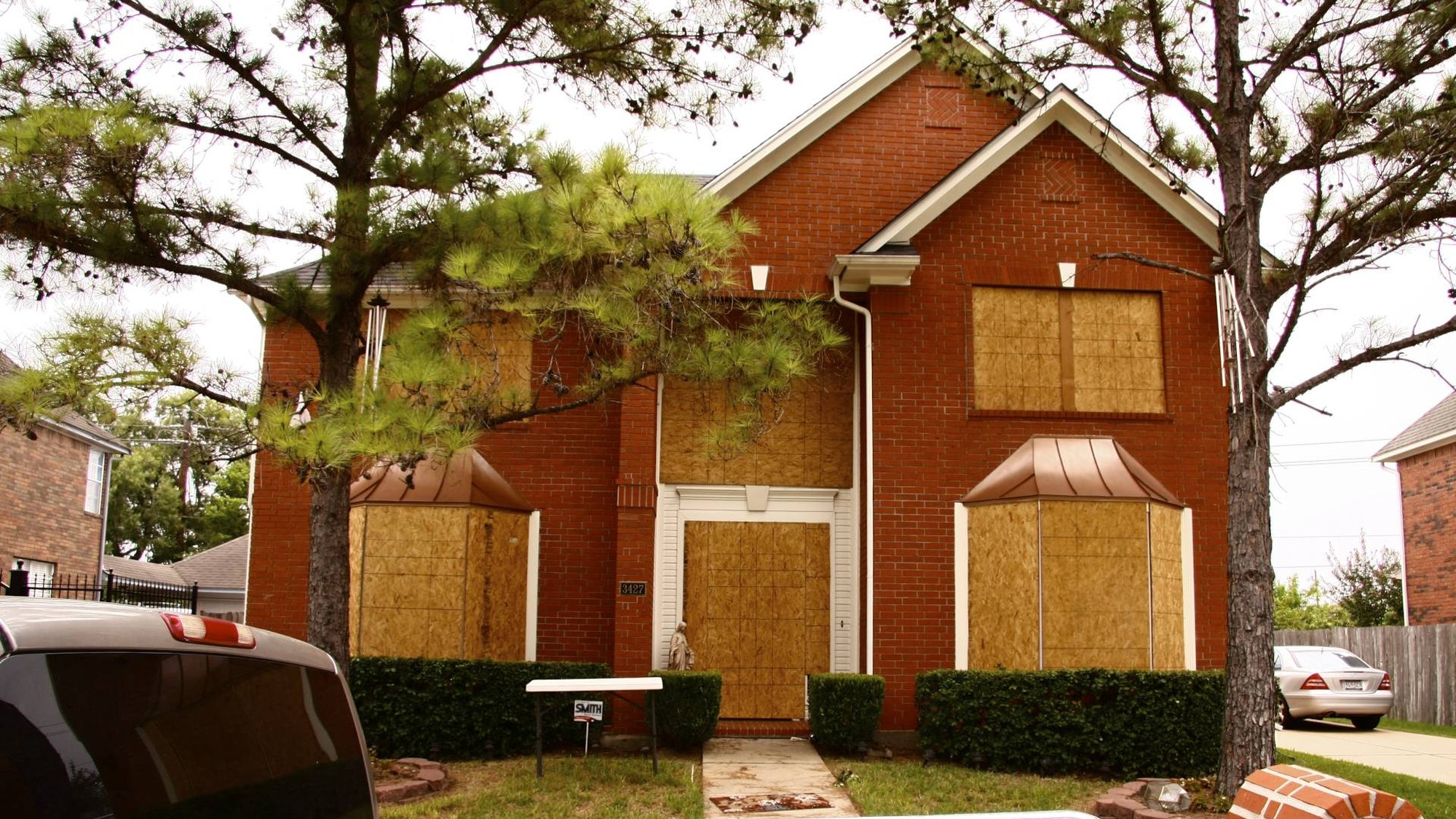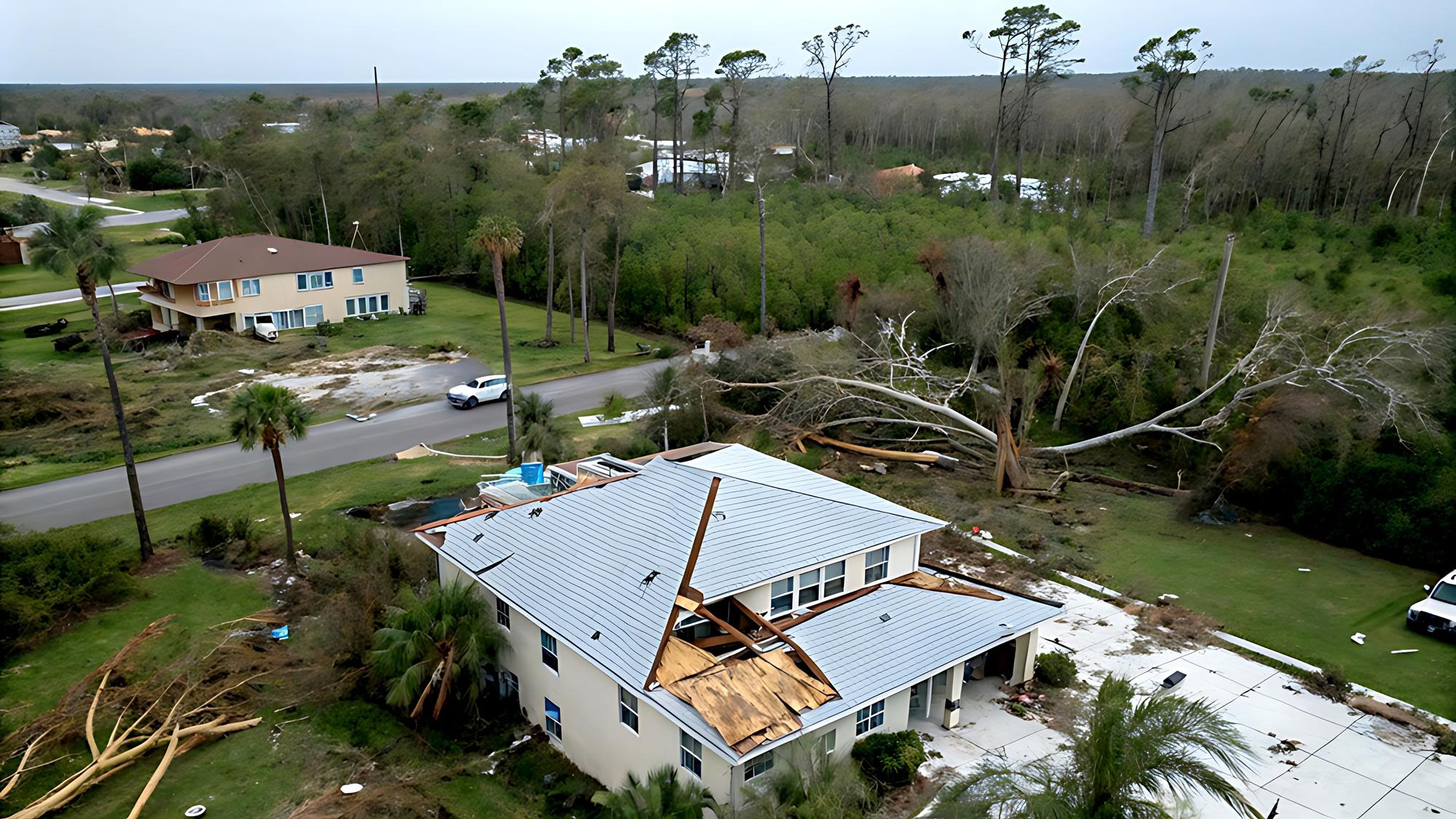
A homeowner in Galveston with a 14-year-old asphalt shingle roof and a $15,000 replacement estimate could collect barely $8,000 from a standard insurance policy after a hurricane. The rest, thousands of dollars, would come out of pocket. That scenario is not hypothetical. It is how “actual cash value” roof provisions work in a growing number of coastal homeowners policies, and it is the coverage most people will be relying on when Atlantic hurricane season opens June 1.
Across Florida, Texas, Louisiana, and other Gulf and Atlantic states, insurers have quietly shifted the way they pay roof-damage claims once shingles pass the 10-year mark. Instead of covering the full cost to install a comparable new roof (known as replacement cost value, or RCV), many standard policies switch to actual cash value (ACV), which deducts depreciation based on the roof’s age before the insurer writes the check. The older the roof, the deeper the cut.
A worked example from the Texas Department of Insurance illustrates the math: a roof with a $10,000 replacement cost produces only a $7,000 settlement under ACV after 10 years of depreciation, a 30 percent reduction, and that is before the deductible comes off the top. On a 15- or 20-year-old roof, where depreciation schedules compound, the reduction can approach 50 percent of replacement cost. Factor in today’s elevated material and labor prices, and the gap between what the contractor charges and what the insurer pays can easily reach five figures.
Why the 10-year threshold matters more now
Florida tackled roof-age coverage rules head-on through its 2022 insurance reforms (SB 2-D), now codified in state statute 627.7011. Under subsection (4), insurers cannot refuse to write or renew a policy solely because of roof age when the roof is less than 15 years old. For roofs 15 years or older, the law creates an inspection pathway: if the roof passes, coverage continues.
But the same statute, in subsection (3), explicitly permits carriers to limit roof-damage payments to actual cash value under specified conditions. That provision gives legal backing to the depreciation practice that shrinks checks.
The practical result is a two-tier system. Homeowners whose roofs are under 10 years old generally still receive replacement-cost coverage. Once the roof crosses that age line, many policies flip to ACV. The older the roof, the larger the depreciation deduction, and the wider the gap between the contractor’s bid and the insurer’s payment. Texas has similar dynamics: the state’s Department of Insurance warns consumers directly that ACV policies “pay less than it costs to repair or replace” damaged property, and that the difference grows over time.
A quieter forecast still means real risk
NOAA’s 2026 seasonal outlook leans toward below-normal Atlantic activity, assigning a 55 percent probability to that scenario, with a 35 percent chance of a near-normal season and 10 percent for above-normal. On paper, those numbers look reassuring. In practice, they offer limited comfort to anyone living in the path of even one landfalling storm.
Federal forecasters have long cautioned that seasonal totals say little about where individual hurricanes will hit. Hurricane Andrew in 1992 arrived during a below-normal season and caused more than $27 billion in damage (in 1992 dollars). A single Category 3 hurricane making landfall in a metro area can generate billions in insured losses regardless of how quiet the rest of the season turns out to be. The forecast describes probability, not protection.
What homeowners should check before June 1
The most useful step any homeowner can take right now is pulling out the declarations page and endorsements of their own policy. Look for language that distinguishes between “replacement cost value” and “actual cash value” for the roof, and note whether the policy ties that distinction to the roof’s age.
Several questions are worth asking an agent or carrier directly:
- Does the policy pay RCV or ACV on roof claims, and at what roof age does the coverage change? Some carriers set the threshold at 10 years; others use different benchmarks or vary by roofing material.
- What type of deductible applies to hurricane or wind damage? Many coastal policies carry percentage-based hurricane deductibles of 2 to 5 percent of the insured dwelling value. On a home insured for $350,000, a 2 percent hurricane deductible alone is $7,000, a separate hit on top of any ACV reduction.
- Is a roof-schedule endorsement available? Some insurers sell an add-on that restores replacement-cost coverage for older roofs. Premiums vary widely by carrier and roof condition, but the endorsement can close the ACV gap entirely.
- Would a roof inspection help? In Florida, a favorable inspection on a roof 15 years or older can preserve insurability under the statute. Independent inspections typically cost a few hundred dollars and can also surface maintenance issues before storm season.
One common misconception worth clearing up: federal disaster assistance, when available, is not designed to replace insurance. FEMA’s Individual Assistance grants averaged roughly $5,200 per household after recent major disasters, according to the agency’s own reporting. That figure would not come close to covering a roof replacement.
Two houses, same storm, very different checks
Because no publicly available federal or state dataset tracks how many active homeowners policies currently apply ACV limits to roofs over 10 years old, it is difficult to quantify the scope of the problem across coastal states. Individual carriers have not published the underwriting guidelines that would show how broadly they use the ACV provisions Florida’s statute permits.
What is clear from the regulatory frameworks in Florida and Texas is that two houses on the same block with similar roofs and identical storm damage can receive very different settlement amounts depending on carrier, policy form, and how each insurer calculates depreciation. Homeowners cannot rely on a neighbor’s experience to predict their own outcome.
Why reading your declarations page before June 1 could save thousands
With the season opening June 1, the window for making coverage changes is narrow. Endorsements and policy switches typically require underwriting review, and many carriers restrict mid-term changes once a named storm enters the forecast cone. Homeowners who discover an ACV limitation after a hurricane hits will have few options beyond paying the gap out of pocket or financing repairs.
The rules are documented and publicly available. ACV settlements on aging roofs can leave a significant shortfall between what an insurer pays and what a contractor charges. Florida law both protects access to coverage for certain roof ages and permits depreciation-based limits for others. And while NOAA’s 2026 outlook tilts toward a quieter season, no forecast can promise that a given zip code will be spared. The one variable homeowners can control right now is whether they understand what their policy will actually pay when the wind stops.