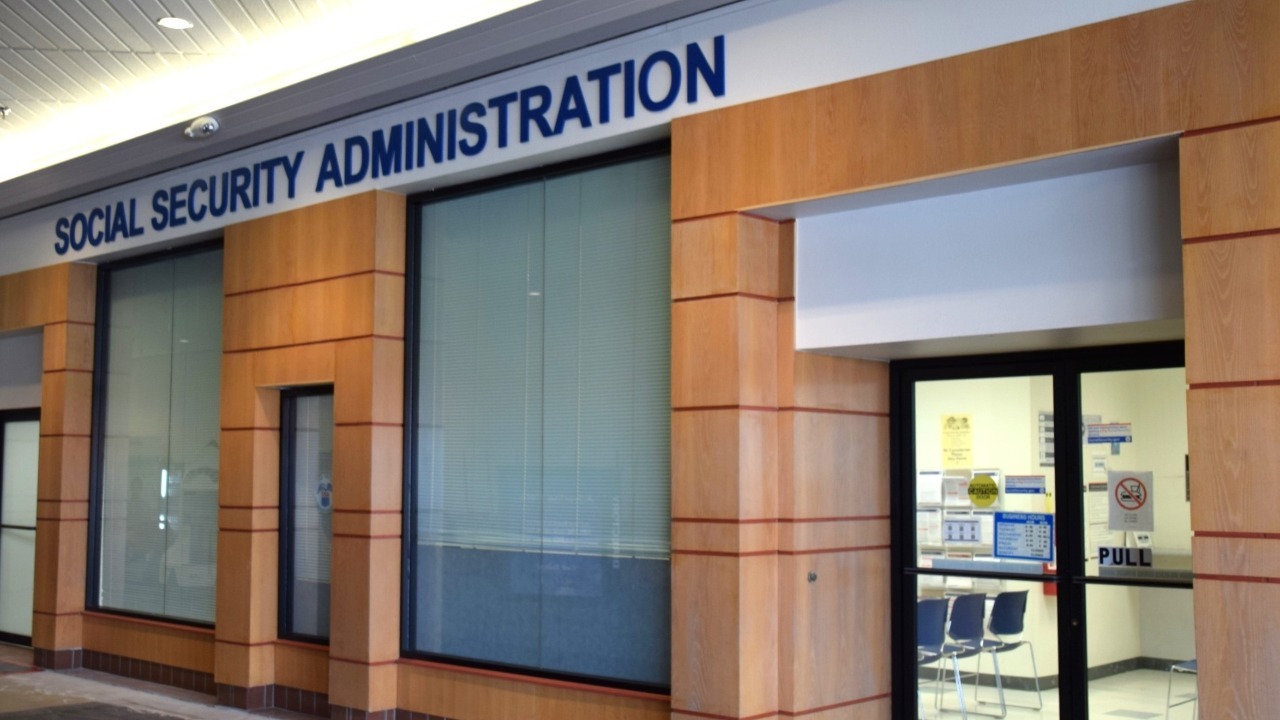
If the Social Security Administration flags you for an overpayment today, the agency will take your entire monthly check until the debt is paid off. Not 10 percent. Not a negotiated portion. Every dollar.
That has been the reality since March 27, 2025, when SSA restored 100 percent withholding as the default recovery method for new overpayment determinations. More than a year later, the policy remains in effect, and it continues to catch beneficiaries off guard. The change reversed a March 2024 reform that had capped automatic recovery at 10 percent of the monthly benefit, or $10, whichever was greater, for non-fraud Title II overpayments. SSA described that short-lived reform as a way to reduce hardship for people who rely on their checks to cover rent, food, and medication.
The reversal, announced through a March 2025 blog post and a notice to advocacy organizations, means a retiree collecting $1,900 a month who receives a new overpayment notice could see that entire payment disappear, with no income replacement, while SSA recoups the debt.
Beneficiaries do have a way to stop full withholding, but the window is narrow and the burden falls entirely on them to act in time.
How overpayments happen and how often
An overpayment occurs when SSA determines it sent a beneficiary more money than they were entitled to receive. The causes vary: a delayed disability review, unreported earnings, a change in living arrangements, or simply an error on the agency’s end. The amounts can range from a few hundred dollars to tens of thousands.
These notices are not rare. SSA issues roughly 2 million overpayment determinations per year, according to agency data cited in reports by the SSA Office of the Inspector General. While not every one of the roughly 73 million Social Security beneficiaries faces overpayment risk, the volume means hundreds of thousands of people each year must navigate a recovery process that now starts at 100 percent withholding.
The 30-day window that can pause collection
Under SSA Handbook Section 1905, benefit withholding cannot begin until the first month that falls at least 60 days after the overpayment notice is mailed. Within that period, a beneficiary who responds within 30 days of the notice date can pause collection entirely while SSA reviews the request.
Three responses trigger that pause, according to POMS guidance on Title II overpayment notices:
- Full repayment of the overpayment amount.
- A waiver request using Form SSA-632BK, which asks SSA to forgive the debt on the grounds that the overpayment was not the beneficiary’s fault and that recovery would cause financial hardship.
- A request for a lower repayment rate using Form SSA-634, which lets the beneficiary propose a smaller monthly deduction, such as the old 10 percent rate.
Both forms are available on SSA’s public forms page and can be submitted by mail or in person at a local field office. The critical detail: the 30-day clock starts on the date printed on the notice, not the date the beneficiary opens the envelope. Anyone who receives an overpayment letter should check that date immediately.
A gap between the announcement and the rulebook
The 100 percent default was communicated through a blog post and an outreach notice, but SSA’s formal operating manuals have been slow to reflect the change. As of a review conducted in June 2026, the publicly available versions of the SSA Handbook and the Program Operations Manual System (POMS) entries governing field office procedures for overpayment recovery still describe the 60-day due process period and rate-change procedures without referencing a 100 percent default.
That disconnect matters. SSA operates more than 1,200 field offices, and without updated formal guidance, there is no public way to verify how consistently the new default is being applied or whether staff have clear direction on processing the expected increase in waiver and rate-reduction requests. SSA has not published data on how many new overpayment determinations have been issued under the restored policy, how many beneficiaries have successfully requested waivers or reduced rates, or what staffing adjustments have been made to handle the volume.
The policy reversal drew sharp criticism from advocacy groups including Justice in Aging and the National Council on Aging. As of June 2026, the 100 percent default remains in place.
What to do the moment an overpayment notice arrives
Until SSA’s formal guidance is revised to match its public statements, the documented protections in the Handbook and POMS remain the clearest procedural footing for anyone trying to prevent a full benefit cutoff. The rules on the 30-day response window and the 60-day withholding delay have not been rescinded.
Anyone who receives an overpayment notice should take these steps without delay:
- Check the notice date immediately. The 30-day response window is measured from that printed date, not from when the letter arrives in the mailbox.
- File a written response as quickly as possible. Submit Form SSA-632BK (waiver), Form SSA-634 (reduced rate), or both, depending on the circumstances.
- Keep copies of everything. Retain photocopies or scans of every form, letter, and envelope. If submitting by mail, use certified mail or another method that provides proof of the mailing date.
- Follow up with SSA directly. Call the national line at 1-800-772-1213 or visit a local field office to confirm that the agency received the filing and that collection has been suspended while the request is under review.
Why missing the 30-day deadline can mean losing a full month of income
The math is stark. A beneficiary who misses the 30-day window on a $1,900 monthly benefit could lose the full $1,900 the following month, with no partial payment to cover housing, utilities, or prescriptions. For retirees and disabled beneficiaries living on fixed incomes, that is not an abstract policy concern. It is the difference between making rent and not.