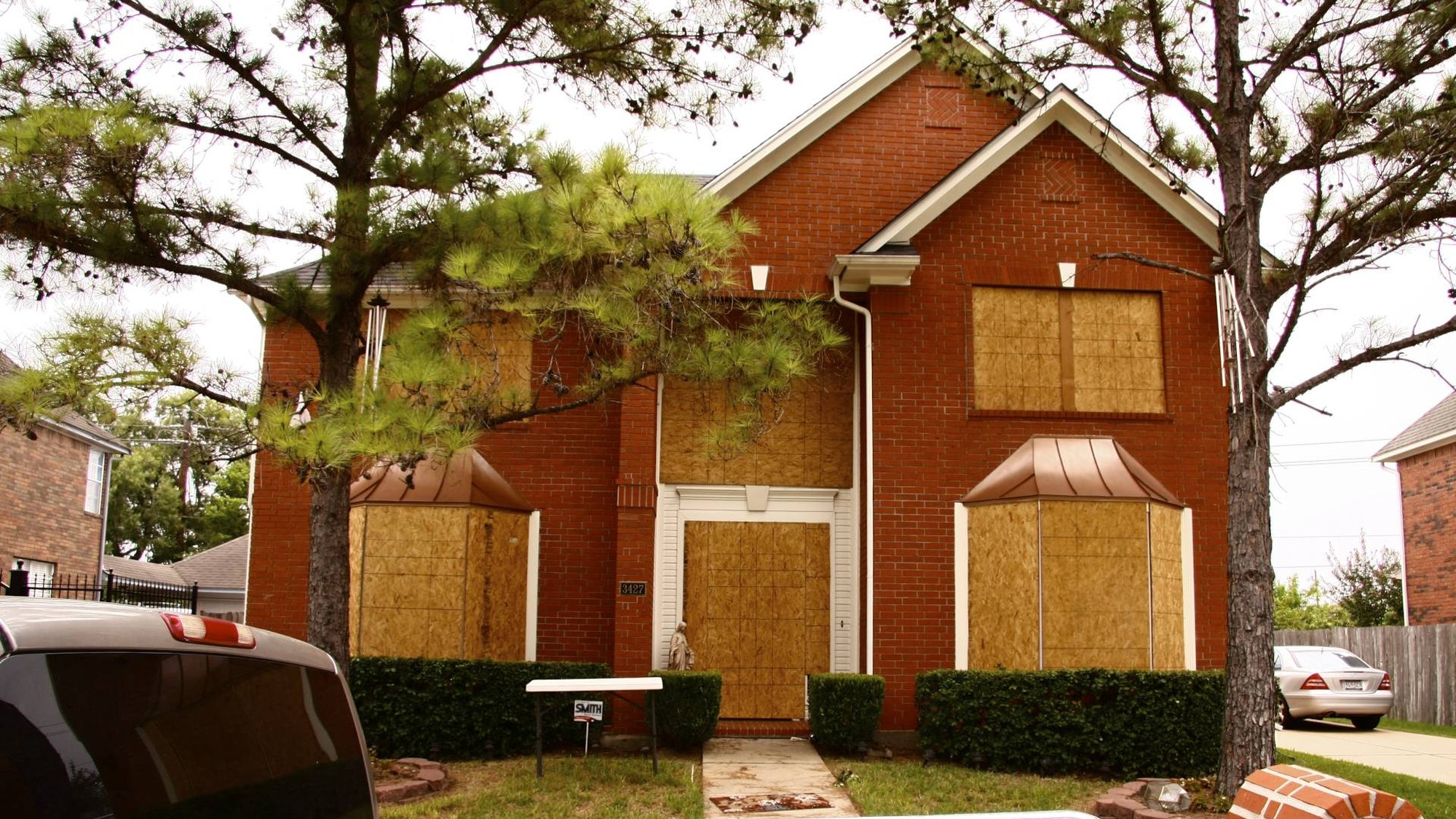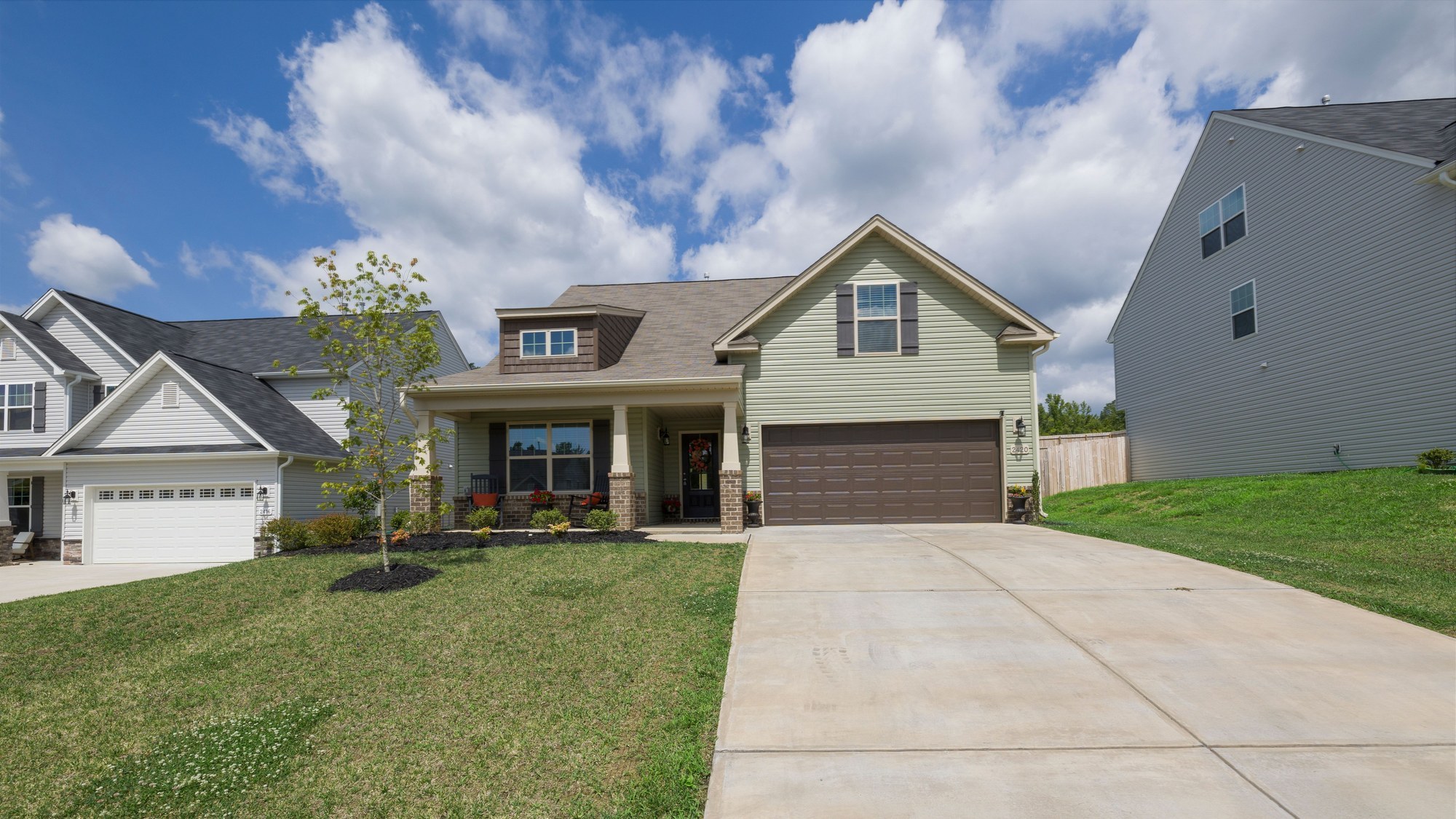
Somewhere in Florida this spring, a homeowner opened a renewal notice, saw a five-figure number, and called an agent convinced it was a typo. That reaction has become routine in a state where the average annual home insurance premium now sits near $8,500, more than triple the national figure. But the sticker shock is no longer confined to hurricane country. Across the U.S., homeowners are absorbing the steepest insurance cost increases in a generation.
As of early 2026, the national average home insurance premium has climbed to roughly $2,524 a year, a 24 percent increase over three years, according to rate-filing analysis from Insurify. Florida leads the nation at approximately $8,500. Louisiana, Oklahoma, and Colorado follow, each averaging well above $3,000. Data from the Insurance Information Institute confirms the broader trajectory: homeowners insurance costs have outpaced general inflation in every year since 2020.
Why the gap keeps widening
A Government Accountability Office analysis examining homeowners insurance and inflation found that, nationally, premium growth has roughly tracked rising construction costs, labor, and materials. But in states repeatedly hit by hurricanes, wildfires, hail, and flooding, insurers are repricing risk after years of escalating catastrophe losses. The result is sudden rate spikes rather than the gradual annual creep homeowners in lower-risk states experience.
The GAO frames this divergence as structural. Federal data from the St. Louis Fed’s insurance price index corroborates the pattern at the carrier level: insurers are paying out significantly more on wind, hail, wildfire, and flood claims, and those higher payouts are landing directly on policyholders through rate increases.
Reinsurance, the coverage that insurance companies buy to protect themselves against catastrophic losses, is a major driver that often goes unnoticed by consumers. Global reinsurers like Swiss Re and Munich Re have raised their own rates sharply since 2022 in response to mounting natural disaster losses worldwide. Those costs flow downstream: when an insurer’s reinsurance bill jumps 30 percent, policyholders eventually absorb the increase.
Florida’s situation is especially acute. The state sits in the Atlantic hurricane corridor, faces rising flood exposure from sea-level changes, and has weathered a volatile insurance market marked by insurer insolvencies, rapid growth in the state-backed Citizens Property Insurance Corporation, and years of costly litigation. Legislative reforms passed in late 2022 (SB 2-A) and 2023 (SB 7052) aimed to stabilize the market by eliminating one-way attorney fee provisions and tightening claims practices. Those changes have slowed insurer exits, but actuaries and consumer advocates still disagree about how much of the current $8,500 average reflects lingering market distortions versus the genuine cost of insuring property in a hurricane belt.
It’s not just Florida
Louisiana homeowners, facing overlapping hurricane and flood risk, pay averages above $4,000. In Colorado and Oklahoma, increasingly severe hailstorms have driven sharp premium increases, with some Front Range homeowners seeing 40 to 50 percent jumps after a single damaging storm season. California’s wildfire zones have seen carriers pull out of entire ZIP codes, pushing tens of thousands of residents toward the state’s FAIR Plan as a last resort. In late 2025, State Farm and Allstate both announced further pullbacks from California wildfire-prone areas, compounding an availability crisis that has been building since 2019.
The pattern the GAO identified plays out state by state: wherever extreme weather events are becoming more frequent or more severe, the price of transferring that risk to an insurer is outpacing general consumer prices by a wide margin.
Insurify projects that home insurance rates will rise for a fifth consecutive year in 2026, following an estimated 12 percent increase in 2025. That forecast hinges on assumptions about hurricane seasons, reinsurance pricing, and state regulatory decisions that no single model can fully predict. A quiet storm season could slow the climb; a major landfall could accelerate it overnight.
What homeowners can do right now
The numbers are daunting, but homeowners are not powerless. Several strategies can meaningfully reduce premiums or at least slow their growth:
- Shop aggressively. Rates vary widely among carriers for the same property. Getting at least three quotes at every renewal can surface savings of hundreds of dollars. Independent agents who represent multiple insurers can streamline the process. According to the National Association of Insurance Commissioners, rate differences of 30 percent or more for identical coverage are common.
- Raise your deductible deliberately. Moving from a $1,000 to a $2,500 deductible often cuts premiums by 10 to 15 percent. Just make sure you can cover the higher out-of-pocket cost if a claim hits. Setting aside the premium savings in a dedicated emergency fund can offset the risk.
- Harden your home. In Florida, a roof rated to FBC or IBHS FORTIFIED standards can unlock significant wind-mitigation credits, sometimes reducing premiums by 25 percent or more. Similar credits exist in other high-risk states for impact-resistant roofing, storm shutters, and updated electrical and plumbing systems.
- Bundle policies. Pairing home and auto coverage with the same carrier typically yields a multi-policy discount of 5 to 15 percent.
- Review your coverage annually. Endorsements you added years ago, like scheduled jewelry riders or service-line coverage, may no longer match your needs. Trimming unnecessary extras can lower your bill without leaving dangerous gaps.
One move to avoid: dropping coverage entirely. Homeowners who go uninsured to save money expose themselves to catastrophic financial loss and may also violate their mortgage terms. For homeowners who have paid off their mortgage and are tempted to cancel, the calculus is still risky: a single hurricane, wildfire, or hailstorm can destroy hundreds of thousands of dollars in equity overnight.
If premiums are truly unaffordable, state-backed insurers of last resort, like Citizens in Florida or the FAIR Plans in California and other states, offer basic coverage, though often with higher deductibles and narrower terms than private-market policies.
The federal safety net is under pressure, too
Rising private-market premiums do not exist in a vacuum. The National Flood Insurance Program, administered by FEMA, has fully implemented its Risk Rating 2.0 methodology, which ties flood insurance premiums more closely to individual property risk rather than relying solely on decades-old flood maps. For many coastal and low-lying homeowners, that has meant higher flood bills on top of already elevated wind and property coverage costs. Some NFIP policyholders have seen annual flood premiums jump from under $1,000 to $3,000 or more as the new rating structure phases in.
Federal watchdogs, including the GAO, have repeatedly flagged the connection between climate-exposed assets and rising costs across both public and private insurance programs. If more homeowners drop private coverage or reduce it to bare minimums, the burden shifts to federal disaster aid and state-backed insurers after major events. That dynamic creates a feedback loop: fewer insured properties mean larger uninsured losses, which increase pressure on public funds, which in turn can lead to policy changes that push costs back onto homeowners.
What renewal season looks like this summer
The clearest takeaway from federal and industry data as of mid-2026: homeowners in high-risk states are paying substantially more than the national norm, and the gap has widened over the past three years as insurers reprice catastrophe exposure. The specific dollar averages ($2,524 nationally, roughly $8,500 in Florida) are drawn from aggregated rate-filing data and should be read as strong estimates rather than census-precise measurements. They may shift as new filings come in, but the structural pattern the GAO identified is unlikely to reverse without a sustained drop in catastrophe losses or significant investment in mitigation at the state and federal level.
For the millions of homeowners opening renewal notices this summer, the math is simple even if the solutions are not: insurance is taking a bigger bite of the household budget than it did just a few years ago. In the most exposed parts of the country, that bite has become genuinely painful, and the 2026 hurricane season, which began June 1, will determine whether the next round of renewals brings relief or another ratchet upward.