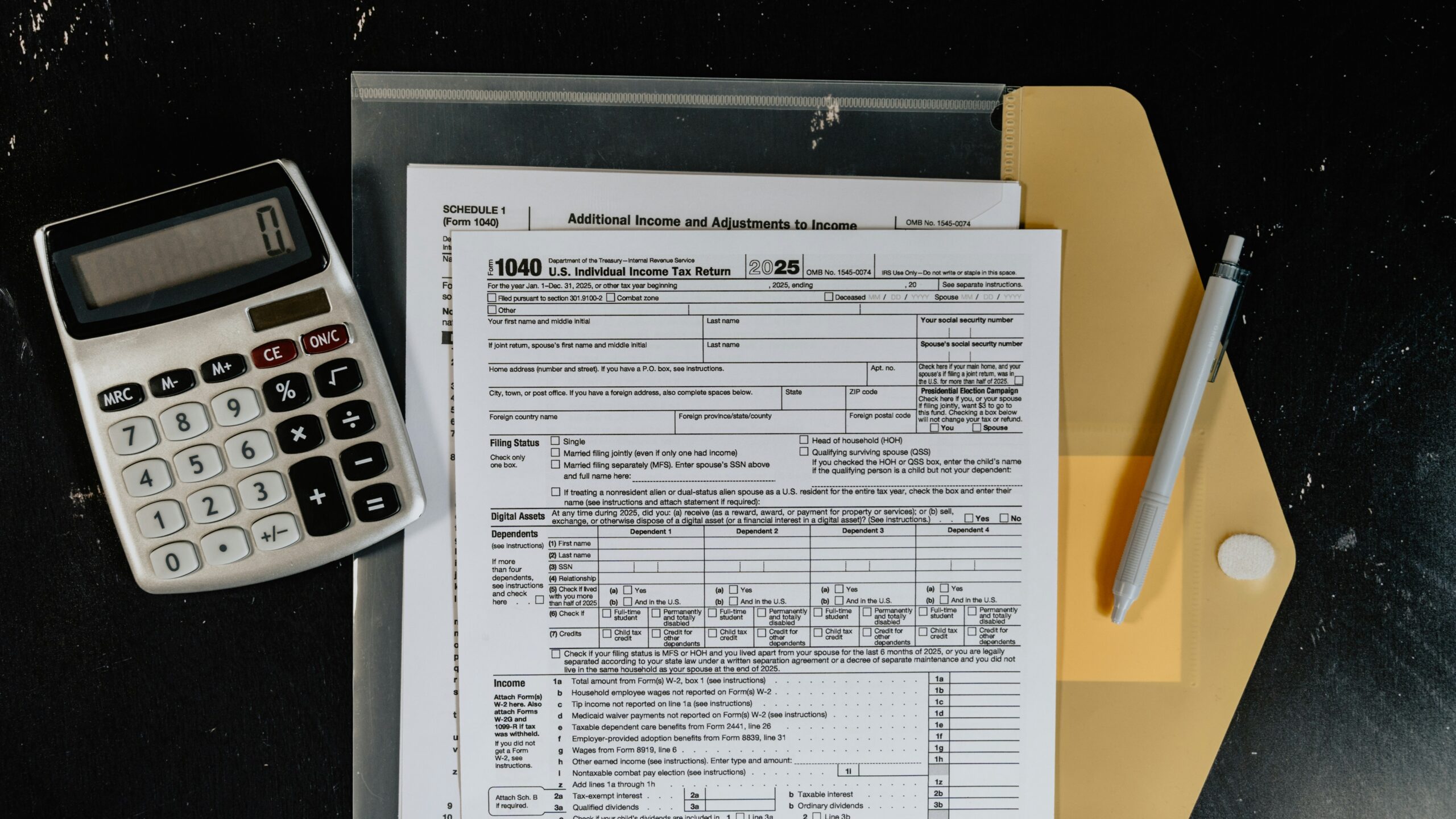
U.S. citizens and resident aliens living overseas face a hard deadline of June 15 to file their 2025 federal tax returns under the automatic two-month extension granted to qualifying expats. With just seven days left in the window, filers who have not yet submitted their returns risk late-filing penalties and accruing interest on any unpaid balance. The extension requires no advance paperwork, but it does come with a specific compliance step that many filers overlook, and missing it can trigger IRS correspondence that delays processing.
Why the June 15 expat filing deadline carries real consequences
The IRS grants an automatic two-month extension beyond the normal April due date to any U.S. taxpayer whose tax home and abode are both outside the United States and Puerto Rico on the regular filing deadline. For calendar-year filers, that pushes the deadline to June 15. The extension covers both filing and payment without requiring a separate extension form, which is needed only if a taxpayer wants additional time beyond the two-month period.
The catch is straightforward but easy to miss: filers must attach a statement to the return explaining that they qualify under Treasury Regulation Section 1.6081-5(a). Without that statement, the IRS has no way to confirm the taxpayer was eligible for the automatic extension, and the return may be treated as late. A return flagged as late can generate penalty notices and force the filer into a correspondence cycle with the agency, even if the underlying tax data is accurate.
The hypothesis that last-week filers face higher rates of IRS correspondence than those who file earlier in the two-month window is plausible on procedural grounds. Returns submitted close to a deadline are more likely to contain errors or missing attachments, and the IRS processes them during a peak-volume period. No public IRS dataset currently breaks down correspondence-notice rates by filing date within the automatic extension window, so this pattern cannot be confirmed with primary data. What is confirmed is that the statement requirement itself is a frequent source of problems. The Taxpayer Advocate Service has flagged common pitfalls for abroad filers, including the failure to attach the required eligibility statement and the mistaken belief that the June 15 date applies to all taxpayers regardless of residency status.
What the IRS requires and what it does not waive
The eligibility test is location-based, not citizenship-based. A U.S. citizen living in Texas does not qualify. A green-card holder working in Berlin whose tax home and abode were outside the U.S. and Puerto Rico on the April due date does. IRS Publication 54, the agency’s tax guide for Americans abroad, spells out both the qualifying conditions and a detail that surprises many filers: interest on any unpaid tax balance begins accruing from the original April deadline, not from June 15. The automatic extension delays the filing penalty, but it does not freeze the interest clock.
The IRS guidance on extensions confirms that the statement attached to the return must specifically indicate the taxpayer is described in Treas. Reg. Section 1.6081-5(a). Generic language about living overseas is not sufficient. Filers should clearly state that their tax home and abode were outside the United States and Puerto Rico on the regular due date and that they are claiming the automatic two-month extension provided under the regulation. The statement can be included as a separate page in a paper filing or as an attached PDF or designated note in many e-filing platforms, but taxpayers remain responsible for ensuring it is actually transmitted with the return.
While the automatic extension postpones the late-filing penalty, it does not eliminate the late-payment penalty or interest on unpaid tax. The IRS explains in its discussion of penalties for late filing and payment that interest begins running from the original April due date, and the late-payment penalty can apply even when a taxpayer has a valid extension to file. For expats who expect to owe, this makes it important to estimate and pay as much of the tax as possible by April, even if the final return will not be ready until June.
Practical steps for expats in the final week
With the June 15 deadline approaching, overseas filers who have not yet submitted their returns have several decisions to make. Those who can complete an accurate return should prioritize filing now, ensuring the eligibility statement is attached and clearly worded. Taxpayers who cannot finish in time may request an additional extension, typically to October 15, by submitting Form 4868 on or before June 15, but that extended deadline applies only to filing, not to payment or the accrual of interest.
Expats who discover after June 15 that they missed the deadline should not delay further. Filing as soon as possible limits additional penalties and interest, and including the eligibility statement may still help clarify their status for the period up to June 15. In some cases, taxpayers who can show reasonable cause for late filing or payment may request penalty relief, though interest generally cannot be abated. As the window closes, the key for Americans abroad is to treat the June 15 date as a real deadline, not a soft target, and to follow the technical requirements that allow the automatic extension to function as intended.