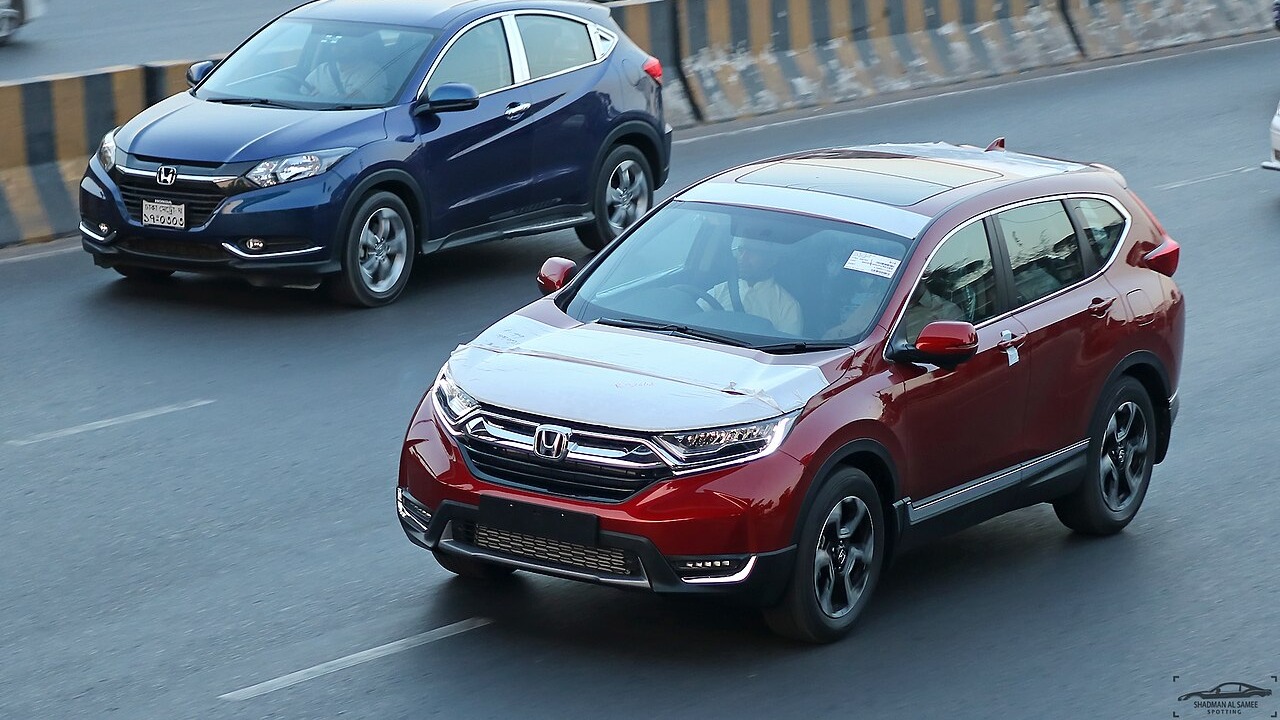
Nearly 99,000 Honda Accord, Civic, and CR-V owners now face the possibility that their passenger airbag will not deploy in a crash. The National Highway Traffic Safety Administration has posted a new recall, designated 26V332000, covering vehicles equipped with a faulty occupant classification sensor that can misidentify an adult passenger as a child and suppress the airbag entirely. The action adds a fresh wave of affected cars to a defect Honda has been working to fix since a larger campaign covered more than 750,000 vehicles.
Why a second recall for the same sensor failure changes the risk
The core problem is straightforward: a sensor embedded in the passenger seat is supposed to detect whether the occupant is heavy enough to warrant full airbag deployment. When that sensor malfunctions, the system treats a seated adult as if a small child were present and keeps the airbag off. In a frontal collision, the passenger would have no airbag protection at all.
Honda previously addressed this defect under a campaign described in an Associated Press report, which covered more than 750,000 Accords, Civics, and CR-Vs. That earlier action was triggered by warranty claims showing the sensor repeatedly failed to recognize properly seated adults. The new campaign, 26V332000, adds roughly 99,000 vehicles to the affected population, suggesting that either additional model-year production runs were identified or the original remedy did not fully resolve the issue across all units.
A second recall tied to the same root cause raises a practical question for owners: will the next fix hold? When a manufacturer issues an incremental campaign on top of a prior one, it often signals that the original repair or software update did not perform as expected in the field. That pattern tends to generate a fresh round of consumer complaints to NHTSA as newly notified owners check their vehicles and report symptoms they may have previously dismissed.
What NHTSA documents show about the 99,000-vehicle expansion
The agency’s official page for recall 26V332000 confirms the 99,000-vehicle count and identifies the affected models as Accords, Civics, and CR-Vs. Honda is expected to reprogram or replace the occupant classification sensor at no cost to owners. The posting does not list any confirmed injuries or fatalities tied specifically to this latest group of vehicles.
The earlier 24V064 campaign, documented separately in the federal recall system, established the defect’s history. Warranty data compiled during that investigation showed a pattern of sensor failures significant enough for the agency to open a formal recall. The new campaign carries a distinct recall number, which means it is being tracked as a separate safety action even though the underlying defect is the same.
No public documents from Honda or NHTSA specify how many of the 99,000 vehicles had already received the earlier remedy before being swept into the new campaign. That gap matters because it determines whether owners are returning for a second repair or learning about the problem for the first time. It also leaves open whether the fix itself is being updated or simply extended to additional vehicles that share the same hardware.
Open questions for affected Accord, Civic, and CR-V owners
Several details are still missing from the public record. The exact model-year breakdown and VIN ranges for the 99,000 vehicles have not been fully published in consumer-facing summaries, leaving owners to rely on individual notices and dealer lookups. Without that information, some drivers may not realize their vehicle is included until they receive a mailed recall letter or check their status manually.
Owners who suspect their vehicle might be affected can search the federal database of safety recalls by entering their 17-character VIN. If the system shows an open campaign related to the passenger occupant sensor or airbag suppression, the vehicle should be scheduled for inspection and repair as soon as parts and appointments are available. Honda dealers are required to perform recall work free of charge.
Until repairs are completed, the risk is primarily for front-seat passengers. A malfunctioning occupant classification sensor may illuminate an airbag warning light or show an indicator that the passenger airbag is off, even when an adult is seated properly. If those signs appear, owners are generally advised not to rely on the front passenger seat for adult occupants until a dealer can confirm whether the vehicle is covered and, if so, complete the recall procedure.
The second recall also raises broader questions about how quickly automakers and regulators can identify the full scope of a defect. When campaigns roll out in stages, owners of similar vehicles that are not yet listed can be left wondering whether their cars share the same risk but have not been formally included. For now, the clearest guidance is to monitor recall notices, check VIN status regularly, and follow up with a dealer if any airbag or passenger-seat warning lights appear.



