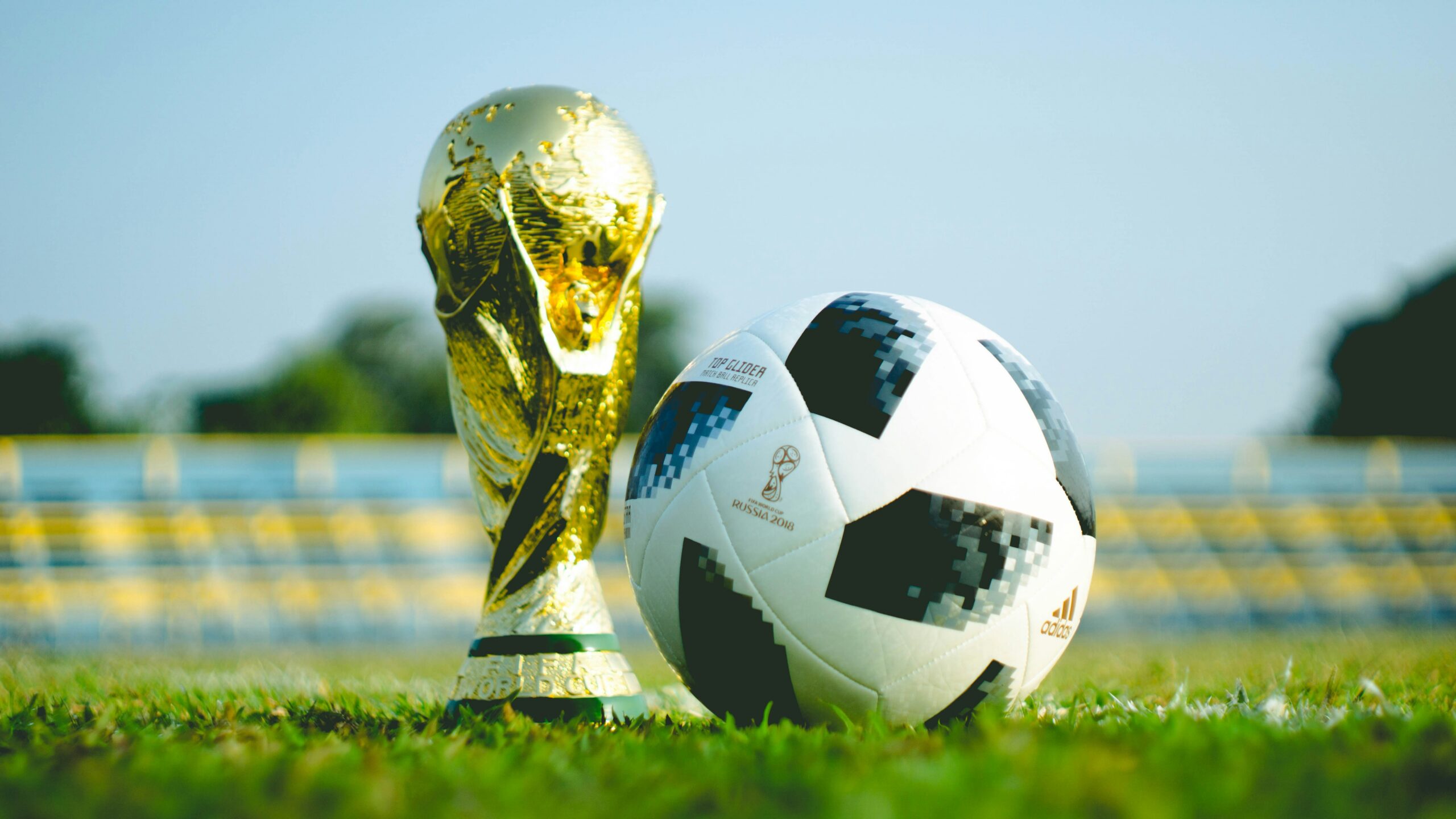
Fans hoping to attend the 2026 World Cup final at MetLife Stadium now face a top face-value ticket price of $32,970 for Front Category 1 seating, triple the prior high of $10,990 for Category 1. On FIFA’s own Resale/Exchange Marketplace, four tickets to the final are already listed for a combined total exceeding $2 million. With the tournament opening Thursday, the collision between record demand and layered fees is raising sharp questions about who can actually afford to be in the stands for the biggest match in soccer.
Why $32,970 tickets and 30 percent fees change the math for fans
The price jump is not just a headline number. FIFA’s ticketing system now layers two separate 15 percent fees on every resale transaction. Buyers pay a 15 percent purchase fee on the total cost, and sellers pay a separate 15 percent fee on the total price. That combined 30 percent cut gives FIFA a financial stake in every secondary sale, regardless of how high the asking price climbs.
FIFA has said it does not set the asking prices on its resale marketplace. Sellers choose their own figures. But the fee structure creates a clear incentive loop: the higher the resale price, the larger FIFA’s take. When a speculative seller lists a single final ticket at $500,000 or more, FIFA stands to collect roughly $150,000 in combined fees from that one seat changing hands. That dynamic rewards extreme listings even if most never sell, because the few that do generate outsized revenue for the governing body.
FIFA President Gianni Infantino defended the pricing model at the Milken Institute Global Conference in Beverly Hills, pointing to what he described as hundreds of millions of requests for tickets to the tournament. The implication: demand so far outstrips supply that high prices simply reflect reality. But 500 million requests spread across 104 matches and multiple price tiers do not automatically justify a threefold increase at the top end for a single game. The gap between aggregate demand and the specific concentration of wealth required to buy a $32,970 face-value seat, let alone a six-figure resale listing, is where the access question gets uncomfortable.
Face-value hikes, resale listings, and the political response
The numbers tell a two-layer story. First, FIFA itself tripled the top tier. The prior benchmark for the best World Cup final seats was $10,990 at the 2022 tournament in Qatar. For 2026, Front Category 1 seats were introduced at $32,970, a new designation that did not exist in previous cycles. Second, the resale marketplace has amplified that base. Four final tickets listed for more than $2 million combined on FIFA’s own platform show how quickly secondary pricing can spiral once the floor is set that high.
The optics have already drawn scrutiny in the United States, Canada and Mexico, which are jointly hosting the 2026 tournament. Lawmakers and fan groups have questioned how a publicly subsidized event, staged in taxpayer-supported stadiums, can price out most local supporters from its showcase match. The fact that the most expensive tickets are concentrated in corporate-friendly areas near midfield only sharpens the sense that the final is drifting further toward a luxury product.
FIFA has countered that cheaper seats remain available in other categories and that a portion of tickets is reserved for participating teams and their national associations. Yet those allocations are limited, and many of the least expensive tickets are tied to team-specific packages or early lotteries that have already closed. For late buyers, the practical choice is often between mid-tier seats at several thousand dollars apiece or the resale market, with its eye-watering premiums and fees.
What this means for ordinary supporters
For many fans, the economics now resemble a high-end concert or Super Bowl more than a traditional World Cup. Travel, lodging and time off work were always significant barriers. Adding five-figure ticket prices and 30 percent transaction fees pushes the all-in cost of a final trip into territory that only a small slice of supporters can realistically afford.
Some are responding by shifting their plans. Rather than chasing the final, fans are targeting group-stage or knockout matches in smaller markets where prices are lower and access is better. Others are opting for public viewing events, which organizers in host cities say they expect to be packed as locals look for communal ways to experience the tournament without entering the stadium.
Consumer advocates argue that the current structure undermines the spirit of a global event that has long marketed itself as belonging to the world. They note that FIFA’s formal control over the only authorized resale channel, combined with its percentage-based fees, blurs the line between regulating scalping and profiting from it. In their view, allowing open-ended asking prices on an official platform without firmer caps or income-based programs effectively endorses the very speculation that many countries try to curb in their own ticketing laws.
FIFA, for its part, stresses the unprecedented scale of the 2026 tournament and the costs of staging 104 matches across three nations. Officials point to investments in stadium upgrades, security and fan infrastructure, and they emphasize that millions of tickets in lower categories are priced far below the new Front Category 1 level. Reporting from the Associated Press has highlighted how organizers see the event as a once-in-a-generation opportunity to grow the sport in North America.
The tension between that growth narrative and the reality of $32,970 seats will only intensify as kickoff approaches. Whether the market ultimately absorbs those prices, or forces FIFA to adjust in future cycles, will help determine who gets to experience the World Cup from the inside – and who is left outside the gates, watching on a screen.