Starting in 2026, workers age 50 and older can contribute up to $8,000 in catch-up deferrals to a 401(k), 403(b), governmental 457, or Thrift Savings Plan on top of the new $24,500 base elective deferral limit. That catch-up figure is a $500 jump from the $7,500 allowed in 2025, and it creates a combined ceiling of $32,500 for older savers. The increase arrives as inflation continues to chip away at retirement purchasing power, giving workers in their fifties and sixties a wider runway to build account balances before they stop earning.
Why the $8,000 catch-up limit changes the math for older savers
The base deferral cap rose from $23,500 in 2025 to $24,500 for 2026, a $1,000 bump driven by cost-of-living adjustment formulas the IRS applies each year under IRC Section 414(v). But the catch-up increase from $7,500 to $8,000 matters more in dollar terms for the people closest to retirement, because it stacks directly on top of the higher base. A 55-year-old who maxes out both pieces will defer $32,500 in pretax or Roth dollars next year, compared with $31,000 in 2025.
A separate, higher catch-up tier also remains in place. Workers between ages 60 and 63 can contribute up to $11,250 above the base limit, a provision that first took effect under the SECURE 2.0 Act. That figure holds steady for 2026, meaning eligible participants in that narrow age band can defer as much as $35,750 total. For high earners who have already built substantial balances, these expanded windows can help close last-minute savings gaps created by late career interruptions, caregiving breaks, or earlier years of lower contributions.
Plans that offer catch-up contributions must extend the option to every eligible participant under a rule known as universal availability, codified in 26 CFR 1.414(v)-1. That regulation bars employers from restricting catch-up access to select groups of highly compensated employees or specific job classifications. Any plan that permits catch-ups for one qualifying worker must allow them for all workers who meet the age threshold. The requirement applies broadly to ERISA-covered plans, but governmental and certain non-ERISA arrangements face different compliance mechanics, which could produce uneven adoption rates across plan types.
IRS Notice 2025-67 and the formal record behind the numbers
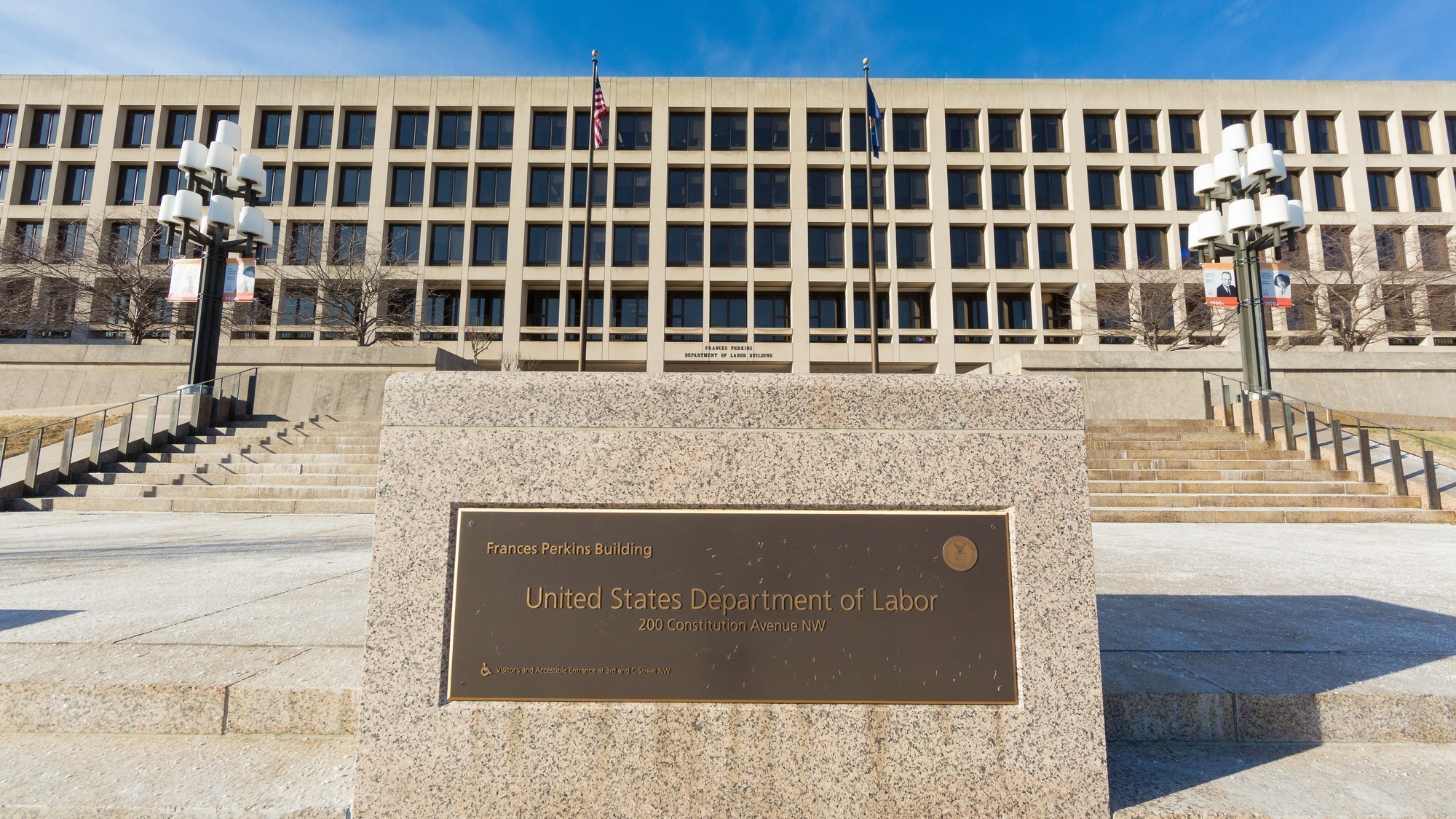
The IRS published these adjusted limits through Notice 2025-67, which appears in Internal Revenue Bulletin 2025-49. That bulletin serves as the official, archival record for the annual COLA adjustments and is the document plan administrators, payroll vendors, and benefits attorneys rely on when updating deferral ceilings in their systems. The notice also covers the IRA contribution limit, which rises to $7,500 for 2026.
The statutory authority behind catch-up contributions sits in IRC Section 414(v), which Congress added through the Economic Growth and Tax Relief Reconciliation Act of 2001. That law created a permanent structure for additional deferrals by older workers, and subsequent legislation has layered on enhancements, including the special age-60-to-63 tier. Each year, the IRS applies inflation indexing rules to both the base deferral limit and the catch-up ceiling, rounding to the nearest $500 increment. Those calculations, along with related thresholds such as the annual compensation cap and highly compensated employee definition, are consolidated in the same bulletin to give plan sponsors a single reference point.
For participants, the headline numbers often matter more than the technical citations. Still, the formal notice provides the legal backbone that recordkeepers use when programming contribution limits, testing nondiscrimination rules, and generating plan notices. Employers that fail to implement the new limits correctly risk operational failures, excess deferrals, and potential correction programs, so the annual bulletin quickly becomes required reading across the retirement industry.
How the 2026 limits fit into the broader contribution picture
The 401(k) and 403(b) deferral caps do not exist in isolation. Workers also face overall annual addition limits for employer and employee contributions combined, as well as separate rules for IRAs and SIMPLE arrangements. The IRS summarizes these coordinated thresholds on its page covering retirement plan contributions, which many savers consult when deciding how to spread dollars across multiple accounts.
For example, a 52-year-old employee in 2026 could defer $24,500 in regular salary reductions plus the $8,000 catch-up into a 401(k), receive a company match on top, and still contribute to a traditional or Roth IRA if they meet income and coverage limits. Those who work for two unrelated employers might participate in more than one salary deferral plan, but the combined elective deferrals across 401(k), 403(b), and most 457 arrangements generally cannot exceed the annual cap plus any applicable catch-up amount.
The higher 2026 limits underscore a broader policy trend: pushing more responsibility for retirement security onto individuals while giving them expanded tax-advantaged space to save. Older workers who can afford to take advantage of the new $8,000 catch-up will have more flexibility to accelerate savings in the final decade or two of their careers. Those with tighter budgets may not reach the ceiling, but even modest increases in deferrals can compound meaningfully over time, especially when paired with employer contributions and prudent investment choices.
Ultimately, the 2026 adjustments are technical changes with practical consequences. Understanding how the new catch-up rules interact with age, income, and plan design can help workers and employers alike make more informed decisions about retirement savings strategies in the year ahead.