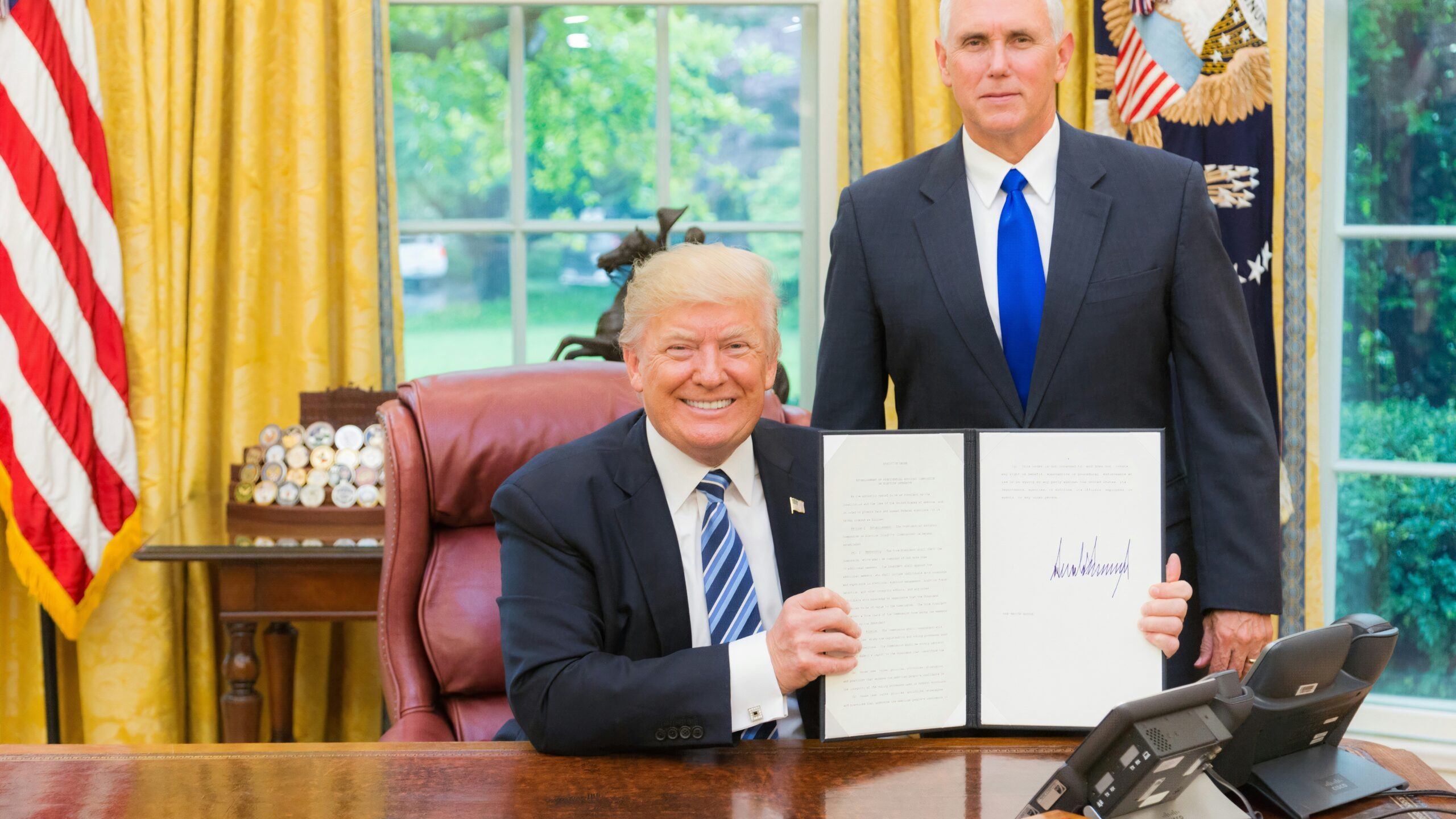
Three million families with children enrolled in Trump Accounts have not yet filed the paperwork needed to claim a free $1,000 government deposit set to begin processing on July 4. The IRS reports that more than 4 million children have been signed up for the savings accounts created under the One Big, Beautiful Bill Act, signed into law on July 4, 2025, as Public Law 119-21. Yet only about 1 million of those children are covered by elections for the $1,000 pilot contribution, leaving roughly three out of four eligible families without a claim on file as the deposit window opens.
Why the Form 4547 filing gap threatens millions of families
The disconnect between enrollment and actual claims traces directly to a single form. Parents or guardians must submit Form 4547 to open an initial Trump Account and request the one-time $1,000 pilot contribution. Without that filing, the Treasury Department will not send money, no matter how many children appear on the enrollment rolls.
That opt-in requirement functions as a procedural filter. Families already comfortable with IRS paperwork, those who file annual returns and interact regularly with tax systems, face a lower barrier. Households with newborns who have never filed taxes or who lack an existing IRS account face a steeper climb. The result is a claim rate that skews toward families with prior tax-filing experience, potentially leaving behind the very households a children’s savings program is designed to reach.
The Treasury Department has stated it will make the one-time $1,000 contribution to eligible children’s Trump Accounts once elections are made and processed. That language ties the deposit directly to completed Form 4547 submissions, not to enrollment alone. For the 3 million children signed up but lacking an election on file, the money will not move until their families act.
Who is processing the deposits and how the accounts work
On the operational side, the Treasury Department designated BNY as a financial agent to manage initial accounts and help develop the Trump Accounts app. BNY partnered with Robinhood to serve as brokerage and initial trustee, creating the infrastructure through which the $1,000 deposits will flow once the IRS processes valid elections.
The program emerged from the One Big, Beautiful Bill Act, which established Trump Accounts as tax-advantaged savings vehicles for children born during the statutory eligibility window. The law set the framework, but the administrative chain, from Form 4547 to IRS processing to BNY custody, determines whether any individual child actually receives the seed money.
Three gaps the IRS has not yet addressed
Several questions hang over the program as the July 4 deposit date arrives. The IRS has published summary figures on enrollment and elections, but it has not yet resolved three practical gaps that could determine whether millions of children ever see the promised $1,000.
1. No clear deadline for late filers
First, the agency has not announced a firm cutoff date for families who miss the initial July 4 processing wave. Officials have said that deposits will be made “once elections are made and processed,” but they have not clarified how long the pilot contribution will remain available for late filers. Without a published deadline, families may assume they can wait indefinitely, only to discover later that the window has quietly closed.
This uncertainty particularly affects parents of infants and toddlers who may not yet have Social Security numbers or who are still navigating birth registrations. If the pilot contribution is time-limited, a lack of clear guidance could translate directly into lost benefits for children whose paperwork simply took longer to complete.
2. Limited outreach to non-filers
Second, the IRS has not detailed any large-scale outreach strategy aimed at households that do not regularly file tax returns. The agency’s public updates have focused on aggregate numbers of children enrolled and elections received, but there is little information about targeted communication to low-income families, recent immigrants, or caregivers outside the traditional tax system.
Relying on standard IRS channels-web pages, notices tied to existing accounts, and tax preparer networks-risks reinforcing existing inequities. Families with stable internet access, English proficiency, and prior contact with the IRS are more likely to learn about Form 4547 and complete it on time. Those without these advantages may never hear that a $1,000 deposit is available for their children, even though they are formally “enrolled” in the program.
3. Unanswered questions about rejected elections
Third, the agency has not fully explained what will happen when Form 4547 submissions are rejected or flagged for follow-up. Errors in Social Security numbers, mismatched names, or incomplete guardian information are common in any large-scale filing effort. Yet the IRS has not described how quickly it will notify families of problems, whether there will be an appeals or correction process, or how such delays interact with any eventual deadline for the pilot contribution.
Without a transparent error-resolution pathway, families that believe they have completed the necessary steps may discover months later that their election was never processed. That risk is magnified for caregivers who move frequently, lack stable mailing addresses, or have limited access to online IRS accounts where notices might appear.
What families can do now
For families who want to secure the $1,000 deposit, the immediate priority is filing Form 4547 accurately and as soon as possible. Parents should confirm that each child’s identifying information matches official records and keep copies of their submission and any IRS confirmation. Where possible, using online tools or trusted tax preparers can reduce the chance of errors that might delay processing.
At the same time, the unresolved policy gaps place pressure on federal agencies to move beyond enrollment statistics and focus on completion. Unless the IRS clarifies deadlines, expands outreach to non-filers, and establishes a clear process for correcting rejected forms, millions of children who appear in the Trump Accounts totals may never receive the seed money the law envisioned.