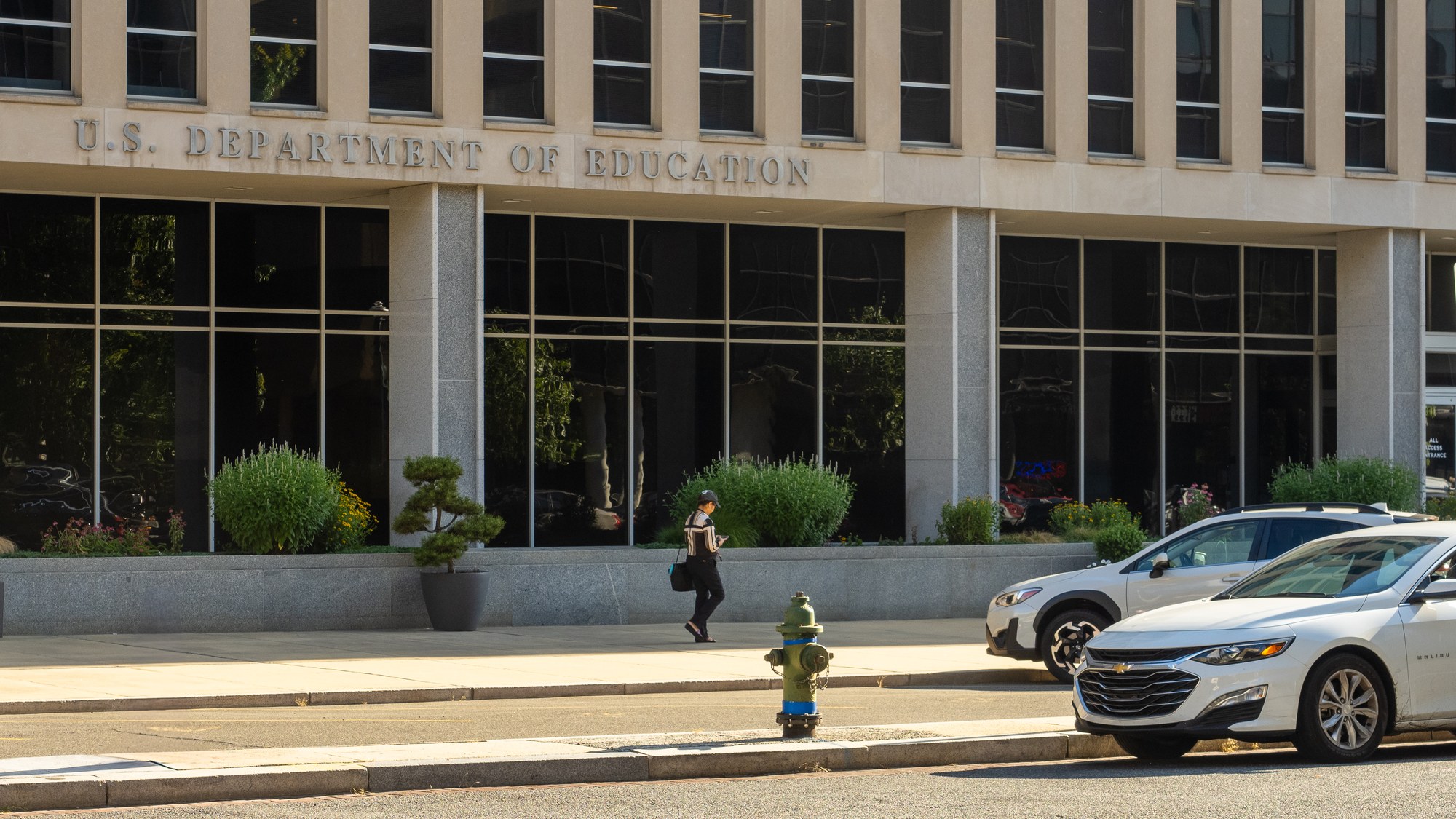
Millions of borrowers who defaulted on federal student loans face the prospect of losing portions of their wages, tax refunds, and Social Security checks once the government fully restarts involuntary collection tools that have been paused since the pandemic. The U.S. Department of Education initially announced plans to resume these seizures through the Treasury Offset Program and administrative wage garnishment, but a January 2026 announcement delayed those actions while repayment systems are improved. If collections resume at scale, the federal offset program alone recovered more than $3.8 billion in delinquent debts in fiscal year 2024, and the combination of garnishment and benefit offsets applied to the defaulted student-loan portfolio could extract tens of billions of dollars from household budgets by 2027.
How Wage Garnishment and Benefit Offsets Reach Borrowers
Two federal collection mechanisms do the heavy lifting. The first is administrative wage garnishment, which allows agencies to order employers to withhold up to 15% of disposable pay from workers with qualifying delinquent non-tax debt. Borrowers have hearing rights before garnishment begins, but the process can move quickly once notices are sent. The second tool is the Treasury Offset Program, which matches defaulted debtors against federal payment streams and withholds money from tax refunds or certain federal benefits, including Social Security, according to Federal Student Aid guidance on default.
The scale of these tools is substantial. The Treasury Offset Program recovered more than $3.8 billion across all categories of delinquent federal debt in fiscal year 2024, according to the Bureau of the Fiscal Service. That figure covers debts well beyond student loans, but it illustrates the machinery’s capacity. Adding defaulted student-loan accounts back into the offset pipeline would significantly increase the volume of intercepted payments.
The operational structure is also shifting. The Department of Education and the Department of the Treasury announced a partnership under which Treasury assumes operational responsibility for collecting on defaulted federal student loan debt through an interagency agreement. That transfer consolidates collection authority inside the agency that already runs the offset program, which could accelerate the pace and reach of seizures once they resume.
Conflicting Timelines and the January 2026 Delay
The timeline for restarting these collections has shifted more than once. The Department of Education initially signaled that involuntary measures would return as part of a broader push to move borrowers back into active repayment. In an earlier announcement, the agency described plans to restart collections, with the Treasury Offset Program scheduled for May 5, 2025, and administrative wage garnishment notices to follow later that summer, according to an Education Department release. Those dates would have put millions of borrowers on notice within weeks.
That plan did not hold. On January 16, 2026, the Department of Education issued a new policy update that paused the return of these tools while officials focused on stabilizing loan servicing and improving repayment options. In that announcement, the agency said it would delay the use of the Treasury Offset Program and administrative wage garnishment for defaulted student loans, emphasizing that borrowers should not see new seizures while system upgrades and borrower outreach efforts are underway. The department framed the move as a way to avoid compounding harm for borrowers who had already struggled with the restart of monthly bills.
The January 2026 decision followed months of criticism from advocates and some lawmakers, who warned that rushing back into aggressive collections risked errors and hardship. The department acknowledged those concerns in its delay notice, pointing to ongoing work to streamline enrollment in income-driven repayment plans and to strengthen communication with borrowers whose loans had been in default for years. In the same document, officials committed to providing additional advance notice before any future restart of offsets or garnishments.
For now, the pause means that defaulted borrowers are temporarily shielded from new wage seizures and intercepted refunds. However, the underlying legal authority for these tools remains intact, and the interagency agreement with Treasury continues to build out a centralized collection infrastructure. Once Education concludes that repayment systems are stable, it can move quickly to reactivate the offset pipeline and instruct employers to begin withholding under the administrative wage garnishment rules.
What Borrowers Can Expect Next
The uncertainty around timing leaves borrowers in a precarious position. Those already in default do not face immediate garnishment or offsets while the January 2026 delay is in effect, but interest and balances can continue to grow. When collections eventually resume, the combination of automatic tax refund interceptions and paycheck withholdings could sharply reduce disposable income for households that have had little time to rebuild after the pandemic-era disruptions.
Borrowers still have options to get ahead of that risk. The Education Department has encouraged people in default to contact their servicers or the Default Resolution Group to explore programs that can move loans back into good standing before involuntary collections restart. Rehabilitation and consolidation remain key pathways out of default, and enrolling in an income-driven plan after curing default can lower required monthly payments.
At the same time, the agencies involved face pressure to make sure any future restart is more orderly than the broader return to repayment in 2023 and 2024. Advocates are urging clearer notices, more robust appeal processes, and safeguards for low-income borrowers who rely heavily on tax refunds or Social Security benefits. The January 2026 delay signals that federal officials recognize the stakes, but it also underscores that, once the technical and policy pieces are in place, the federal collection machinery is capable of extracting billions of dollars from defaulted borrowers in a relatively short period.
Ultimately, the path forward will hinge on how quickly Education and Treasury complete their system improvements and whether additional policy changes emerge from ongoing negotiations. Until then, borrowers in default occupy an uneasy middle ground: protected from the most aggressive collection tools for now, but still carrying debts that federal agencies have both the authority and the infrastructure to pursue when the pause finally ends.