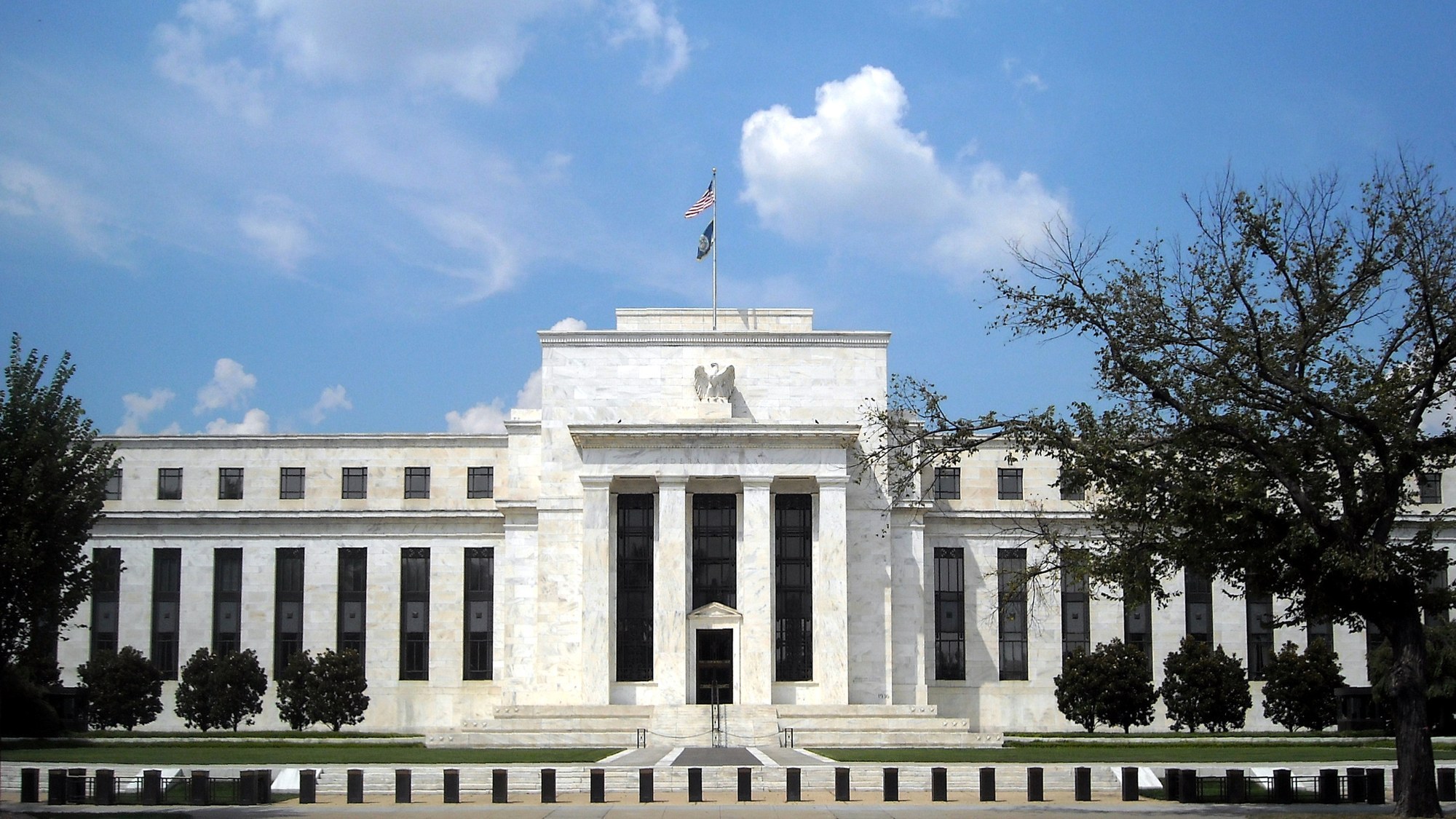
American households carrying credit-card debt face a worsening squeeze. Balances at least 90 days past due have climbed to 13.1 percent, the highest share recorded since 2011. That figure, drawn from Federal Reserve data tracking consumer credit bureau records, signals that millions of borrowers are falling deeper behind on payments even as the job market has held relatively steady. The pressure appears to stem less from lost paychecks and more from the compounding weight of large revolving balances paired with interest rates that remain near multi-decade highs.
Elevated APRs and swelling balances collide
The 13.1 percent severe-delinquency reading did not appear overnight. Credit-card balances began climbing sharply after pandemic-era savings buffers ran dry in late 2023, and interest rates on revolving debt stayed elevated throughout 2024 and into 2025. The result is a debt-service trap: borrowers who once managed minimum payments now face monthly charges inflated by average APRs that have hovered above 20 percent at many large issuers. Each missed cycle pushes a balance further into arrears, and once an account crosses the 90-day threshold it becomes far harder to recover without a lump-sum payment or a negotiated settlement.
The Board of Governors of the Federal Reserve System tracks these dynamics through two distinct but complementary data pipelines. One is the New York Fed Consumer Credit Panel, built on Equifax credit-bureau records, which measures the share of outstanding card balances that have gone 90 or more days without a payment. A February 2025 research note published by the Board of Governors used this credit-bureau series as the standard benchmark for card delinquency trends across the economy. That note also explored predictive models for where delinquency rates might head, reinforcing the seriousness with which Fed economists view the current trajectory.
Fed bank-level data confirm parallel stress
A separate Federal Reserve statistical release adds a second angle. The charge-off tables compile quarterly reports directly from commercial banks, capturing how much of their credit-card loan portfolios have gone delinquent or been written off entirely. While this bank-reported measure uses a different construction than the credit-bureau data, the two series have been moving in the same direction. Both show card portfolios under growing strain, which matters because banks respond to rising losses by tightening approval standards, lowering credit limits, and raising the APR floor for new applicants.
That tightening feeds back into household budgets. A borrower whose credit limit drops from $8,000 to $5,000 loses a financial cushion that may have covered an emergency car repair or a medical co-pay. When the replacement option is a personal loan at a still-higher rate, or no loan at all, spending on everyday goods can contract. Economists at the Fed have flagged these feedback loops as a reason to keep watching delinquency data closely, given the potential drag on broader consumer spending.
Income stability masks a debt-service gap
One reason the 13.1 percent figure has caught analysts off guard is that it is emerging alongside relatively stable aggregate income measures. Wage growth has cooled from its post-pandemic peaks but has not collapsed, and unemployment rates have remained low by historical standards. That combination would normally be associated with improving credit performance, not a surge in severe delinquencies.
The disconnect highlights a growing debt-service gap. Many households entered the current period with higher baseline expenses for rent, food, and transportation, leaving less room in monthly budgets to absorb elevated interest charges. As promotional 0-percent offers expired and variable APRs reset higher, balances that once looked manageable turned into persistent burdens. For borrowers already close to the edge, even a modest disruption-such as a short illness, a missed week of work, or an unexpected repair-has been enough to tip accounts into 90-days-past-due territory.
Fed officials have emphasized in recent outreach that they are listening closely to how these pressures play out in household finances. Through its ongoing public listening sessions, the central bank has heard repeated concerns about the strain of high borrowing costs on families that rely on credit cards to bridge gaps between paychecks. Those anecdotes mirror the quantitative evidence from both the credit-panel and bank-reporting data, suggesting that the current delinquency upswing is not confined to a narrow slice of borrowers.
What rising delinquencies could mean next
The climb in severe credit-card delinquencies does not, by itself, signal an imminent financial crisis. Card balances remain a smaller share of overall household debt than mortgages or auto loans, and banks have built up capital buffers since the last recession. But the trend carries important implications. For consumers, it points to a period in which access to revolving credit may become more constrained and more expensive, particularly for those with marginal scores. For retailers and service providers, it raises the risk that discretionary spending will soften as indebted households cut back.
For policymakers, the data present a nuanced challenge. Keeping interest rates high for longer can help cool inflation but also raises the carrying cost of existing variable-rate debts, including credit cards. Cutting rates too quickly, on the other hand, could reignite price pressures. As the Fed weighs those trade-offs, the trajectory of card delinquencies has become one more gauge of how policy decisions filter through to everyday financial stress-and of how close some households already are to the breaking point.