A blood thinner that can run hundreds of dollars a month for someone paying out of pocket has, according to the administration, been handed out free a million times over. The claim comes from the White House itself, tied to a broader set of drug-pricing agreements the administration says now cover all 50 state Medicaid programs. Nothing about the figure has been independently audited by an outside body, so what follows treats it as exactly what it is: the administration’s own count, stated on its own fact sheet.
The White House’s Claim: 1 Million Free Eliquis Prescriptions
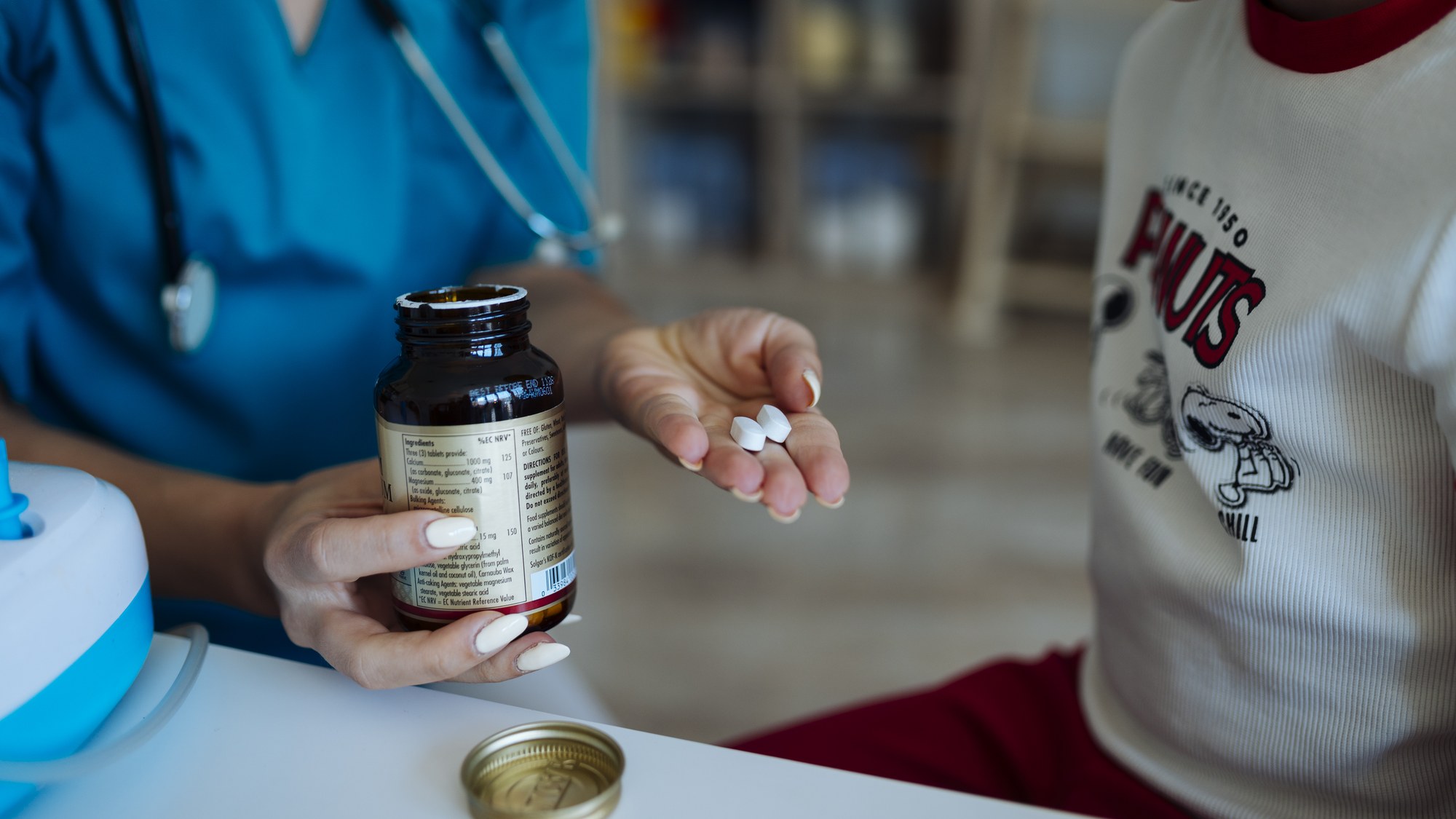
The White House says its drug-pricing deals have delivered 1 million free prescriptions of Eliquis, a widely prescribed blood-thinning medication, to Medicaid patients. Eliquis is used to reduce the risk of stroke and blood clots, most often in patients with an irregular heartbeat, and it is one of the most commonly prescribed brand-name drugs in the country, which is part of why the administration is highlighting it as evidence its Medicaid pricing agreements are reaching patients rather than staying on paper. The fact sheet frames the free prescriptions as a direct outcome of the manufacturer agreements the administration negotiated, rather than a separate assistance program layered on top of Medicaid.
The underlying mechanism, per the same fact sheet, is a “most favored nation” pricing approach: manufacturers agree to sell certain drugs to Medicaid at prices tied to what other wealthy countries pay, in exchange for regulatory and market commitments from the administration. Free Eliquis prescriptions are the fact sheet’s example of that model reaching patients directly rather than only showing up as a lower negotiated price on an invoice, the administration’s way of arguing the deal changes what a Medicaid enrollee actually pays at the pharmacy counter, not just what the government pays on the back end.
Inside the kit: The new Part D out-of-pocket cap and the prior-authorization appeal steps cover what happens to a prescription bill once a deal like this one doesn’t apply to a specific plan or drug. Open the cost cap and appeal steps in The Medicare Cost & Coverage Protection Kit.
What The Broader Deal Covers: 26 Manufacturers, An Estimated $64.3 Billion
The Eliquis figure sits inside a larger set of agreements the White House says now includes 26 drug manufacturers, part of an arrangement the administration projects will save taxpayers an estimated $64.3 billion over the next decade, according to the same White House fact sheet. That $64.3 billion figure is explicitly a projection over a ten-year window, not money already saved, and it should be read as the administration’s own estimate of the program’s future scale rather than an audited result. The Eliquis prescriptions, by contrast, are presented as something that has already happened, a completed count rather than a forecast, though the fact sheet does not say how the 1 million figure was tallied or over what time period it was counted.
The Same Deal’s Other Headline Number: $216 Million In Two Months
The same set of pricing agreements produced a second figure the White House is citing for seniors specifically: about 600,000 seniors saved a combined $216 million in the first two months of a GLP-1 obesity-treatment program that charges $50 a month, launched in July 2026, per the fact sheet. That program and the free Eliquis prescriptions both flow from the same round of manufacturer deals, which is why the administration is presenting Eliquis, an anticoagulant, and the GLP-1 drugs, used for weight management, as two faces of one pricing initiative rather than as separate policies.
One Deal, Many Drugs, One Fact Sheet
What ties the Eliquis count to the GLP-1 savings and the 26-manufacturer tally is that all three numbers come from a single administration document, published the same week, with no independent verification cited alongside any of them. That does not make the figures false — but it does mean a Medicare or Medicaid enrollee reading the 1 million figure is reading the White House’s own accounting of its own deal, not a third-party audit of pharmacy claims. For a patient actually taking Eliquis, the more useful next question is not the national count but whether that patient’s own Medicaid plan is one of the ones the agreement applies to.
What The White House’s Count Doesn’t Tell An Individual Patient
The White House says its pricing deals delivered 1 million free Eliquis prescriptions and a projected decade-long savings figure for taxpayers, but the fact sheet does not say which plans, pharmacies or Medicaid programs a given patient needs to check to find out whether a specific prescription qualifies. That gap between a national count and one person’s own drug costs is where most Medicare and Medicaid cost questions actually live.
The Medicare Cost & Coverage Protection Kit includes 51 state Medicare cost-help packs and a medication and cost tracker, built to organize exactly that kind of plan-by-plan, drug-by-drug question.
Compare the state cost-help resources in The Medicare Cost & Coverage Protection Kit.
This article was produced with AI assistance and checked against the primary sources linked above.