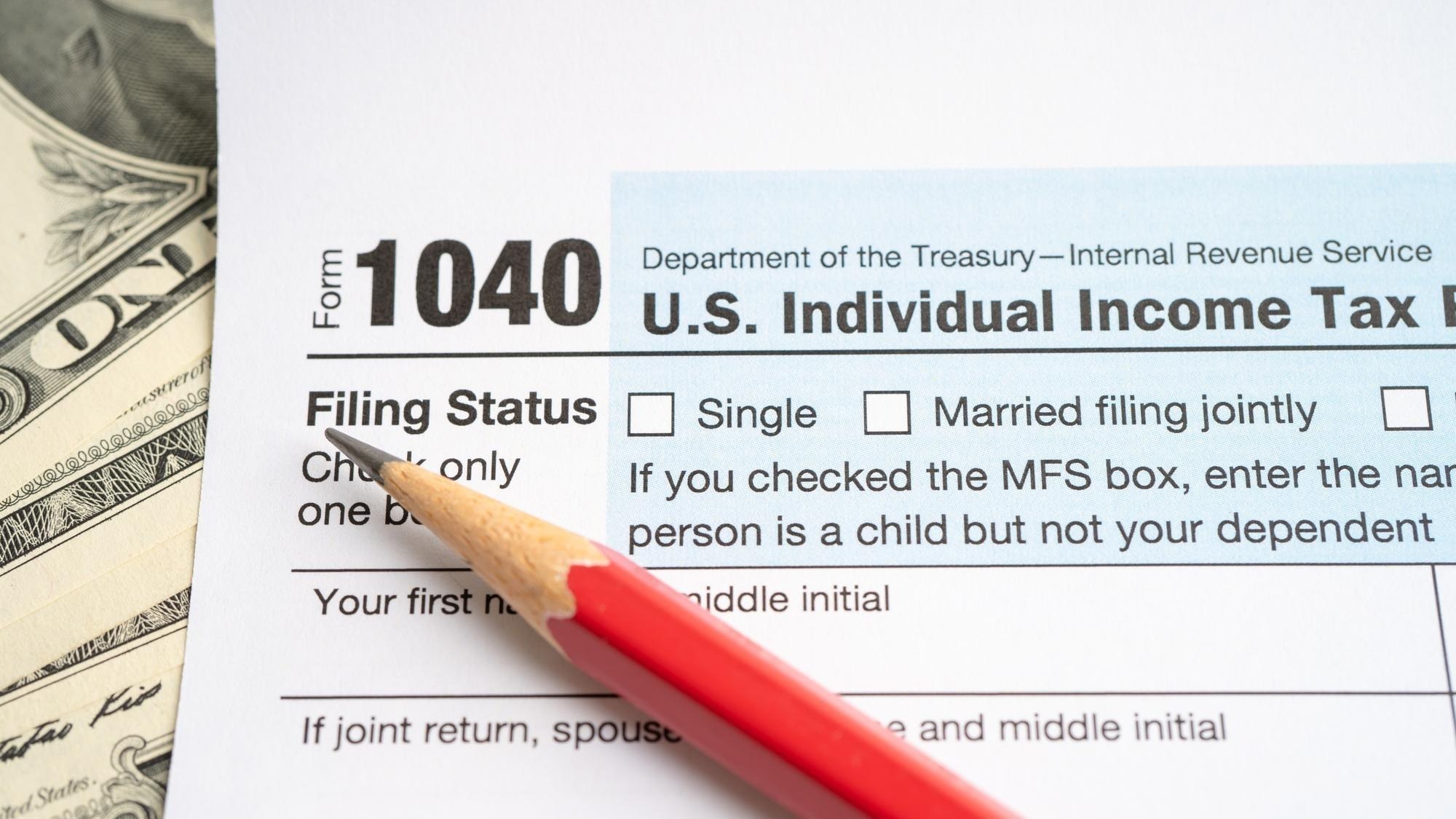
Taxpayers who paid IRS penalties tied to tax years 2020 through 2023 face a fast-closing window to request refunds on paper. With roughly 21 days left, the filing route runs through Form 843, the IRS’s designated vehicle for claiming refunds and requesting abatement of penalties, interest, and certain fees. The deadline pressure is sharpened by the fact that the IRS already rolled out automatic penalty relief for many 2020 and 2021 filers, leaving a subset of taxpayers who did not qualify for that program to act on their own before the window shuts.
Why the Form 843 Filing Window Matters Right Now
The IRS uses Form 843 as its official channel for claims for refund and requests for abatement of certain taxes, interest, penalties, fees, and additions to tax. That makes it the primary paper-based path for taxpayers who believe they overpaid or were wrongly assessed penalties during the 2020 to 2023 tax years. Anyone who missed the automatic relief wave or whose case fell outside its scope now depends on this form to recover money already sent to the Treasury.
The IRS separately announced an automatic failure-to-pay penalty relief program covering 2020 and 2021 returns. That program applied relief without requiring taxpayers to file anything, but it did not reach every case. Filers whose penalties fell outside the automatic program’s criteria, or who were assessed penalties for 2022 and 2023, have no automatic safety net. For them, the paper form is the remaining option, and the 21-day count creates real urgency.
The tight timeline also appears designed to push taxpayers toward the IRS’s digital infrastructure. The agency’s Form 843 page points taxpayers to online tools, and the IRS promotes its online account as a way for individuals to review balances, payments, and certain notices before deciding whether to file a claim. The result is a system that funnels the most motivated filers through a paper process while directing the broader population toward online self-service, effectively reducing the volume of manual claims the agency must handle.
What the IRS Has Confirmed About Penalty Relief and Form 843
Two verified facts anchor the available evidence. First, the IRS confirms that Form 843 serves as the mechanism for refund claims and abatement requests across penalties, interest, fees, and additions to tax. Second, the agency’s own newsroom documented the automatic penalty relief program for 2020 and 2021 returns, specifying that it targeted failure-to-pay penalties for taxpayers who met stated criteria.
No primary IRS record available in the current reporting block states the exact 21-day deadline or confirms that the refund window extends to penalties paid for tax year 2023. The IRS materials verify the form’s purpose and the existence of the automatic relief program, but the specific countdown and its applicability to the full 2020-through-2023 range lack direct confirmation from an official agency document with a recent publication date. The latest publicly available updates from the IRS on these programs do not specify a March or April 2026 cutoff tied to this particular claim window.
What is clear: taxpayers who paid failure-to-pay penalties on 2020 or 2021 returns should not assume that automatic relief will retroactively correct every account. Some penalties were excluded based on balance thresholds, processing timelines, or other eligibility screens. In addition, penalties for later years-such as 2022 and 2023-were not part of the automatic failure-to-pay program described in the IRS newsroom update. For those taxpayers, a proactive claim remains the only pathway to a refund or abatement review.
Form 843 is not limited to failure-to-pay penalties. The form can be used to contest certain interest charges and other additions to tax when a taxpayer believes the assessment was incorrect or unfairly applied. However, the IRS generally expects filers to explain why they qualify for relief, whether under reasonable cause standards, administrative waivers, or other provisions in the Internal Revenue Code. That means a successful claim typically includes a narrative statement, supporting documentation, and a clear reference to the tax year and type of penalty at issue.
Practical Steps for Taxpayers Considering a Claim
Taxpayers weighing whether to file within the remaining window can take several practical steps. First, they can review their IRS online account or past notices to confirm exactly which penalties were assessed and paid. Second, they can compare their situation against the published criteria of the automatic 2020–2021 relief program to determine whether they were reasonably excluded or may have been missed. Third, they can consult the Form 843 instructions to identify which sections apply to their type of penalty and to ensure they mail the claim to the correct IRS address.
Because the precise deadline for claims tied to 2020–2023 penalties is not clearly stated in the currently available IRS publications, taxpayers should treat the reported 21-day window as a practical, not guaranteed, cutoff. Mailing a complete Form 843 package as soon as possible, using a trackable delivery method, reduces the risk that timing disputes or processing delays will derail a potential refund. For those who believe a penalty was wrongfully assessed or who never benefited from the automatic relief program, acting quickly may be the difference between recovering money and leaving it with the government.