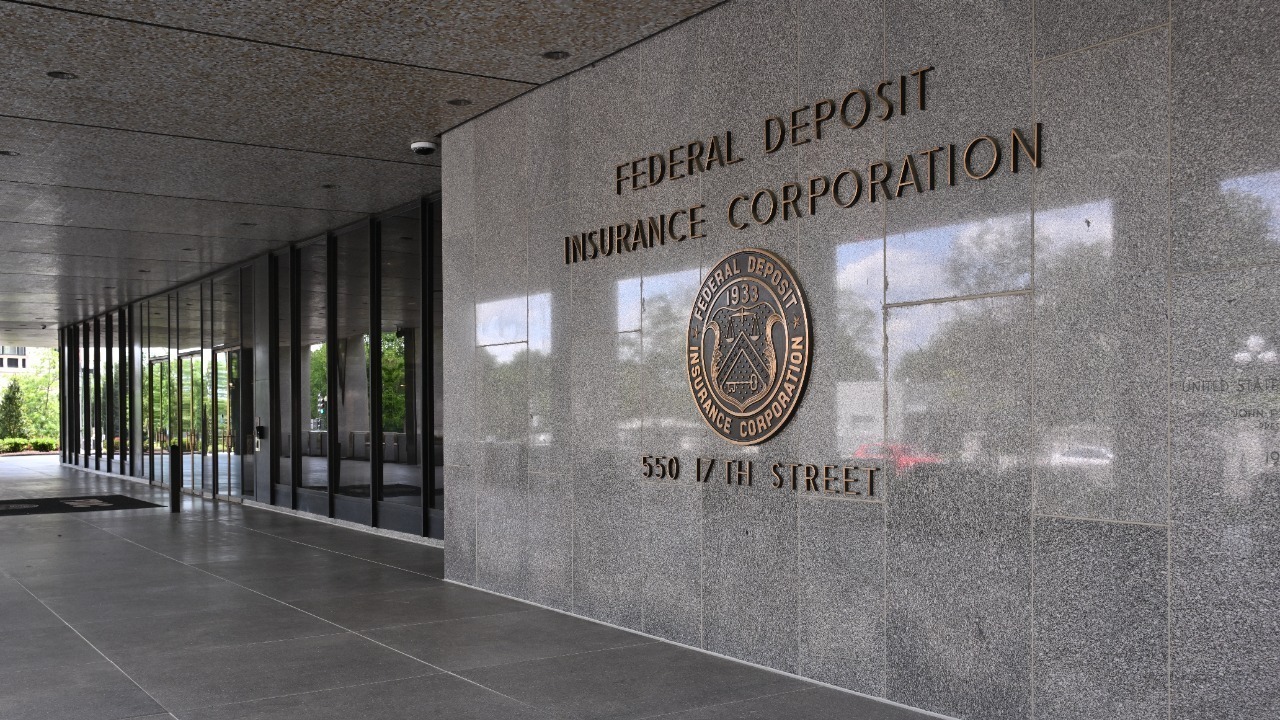
Every deposit account opened at an FDIC-insured bank in the United States receives federal deposit insurance the moment the account is funded. Customers do not need to apply, enroll, or pay a fee. The protection is backed by the full faith and credit of the U.S. government, and the cost falls entirely on the banks themselves through quarterly assessments. Yet confusion about how the system works persists, and that gap between reality and perception can drive unnecessary panic when headlines raise questions about bank stability.
Why automatic deposit insurance matters during banking stress
When depositors hear about trouble at a bank, the first instinct is often to check whether their money is protected. That instinct can spiral into a withdrawal run if people believe they need to have signed up for coverage or paid a premium they never purchased. The FDIC’s own consumer FAQ makes the answer plain: according to the agency’s deposit insurance guidance, customers do not need to purchase separate coverage, and protection begins automatically for any deposit account at an insured institution.
The agency’s simplified explainer repeats the same point and adds a critical detail: depositors do not need to apply for coverage, and the insurance carries the full faith and credit guarantee of the federal government. That backing means the obligation does not depend on a bank’s individual health or on any action by the account holder. As long as a customer’s funds are in qualifying deposit accounts at an insured bank and within the applicable limits, the protection is in place whether or not the customer has ever heard of the FDIC.
Misunderstandings about this structure can become dangerous in periods of stress. If customers assume that only those who filled out a form or paid a fee are protected, they may rush to move funds unnecessarily, amplifying liquidity pressure on otherwise sound institutions. Clear communication that coverage is automatic, free to consumers, and guaranteed by the federal government can help counter that reflexive fear.
Banks that make this information easy to find on their own websites could, in theory, reduce the kind of deposit flight that accelerates during periods of sector-wide anxiety. Some institutions already highlight FDIC membership on their homepages, explain insurance limits in plain language, and link to official calculators and explainers. Others bury the information in footers or regulatory disclosures that few customers ever read.
No publicly available transaction-level data from the FDIC currently links a bank’s website transparency to deposit retention during stress events. The hypothesis that prominent links to tools like the FDIC’s electronic deposit insurance estimator or federal explainer pages correlate with smaller outflows remains untested against primary records. Without that data, the connection stays logical but unproven. Still, from a consumer-education standpoint, making official resources visible and understandable is a low-cost step that may reduce confusion when markets are strained.
How banks, not depositors, fund the insurance system
The “no fee” promise to consumers rests on a clear statutory structure. Section 5 of the Federal Deposit Insurance Act requires insured institutions to pay assessments to the FDIC, and those payments flow into the Deposit Insurance Fund. The same obligation appears in federal law at 12 U.S.C. Section 1817, which charges assessments to insured depository institutions rather than to their customers.
The FDIC sets and adjusts these assessments on a risk-based schedule. Banks that carry higher risk profiles pay more into the fund, while safer institutions pay less. The agency’s assessment regulations describe how rates are calculated using factors such as asset size, supervisory ratings, and specific risk measures. These assessments are typically collected on a quarterly basis and are designed to maintain the Deposit Insurance Fund at a level sufficient to cover insured losses over time.
At no point in this chain does a depositor owe anything for the protection. Consumers may pay account maintenance fees or other bank charges, but those are set by the institution as part of its business model, not by the FDIC as a condition of insurance. The legal obligation to support the fund runs from the bank to the agency, not from the customer to either party.
This funding model is what allows the FDIC to state flatly that coverage is automatic and free to consumers. The entire cost structure runs institution-to-fund, not consumer-to-agency. For anyone who has ever wondered whether a bank might quietly bill them for federal insurance, the answer in the governing statutes and regulations is no: the burden rests with insured banks, and the benefit flows to depositors automatically.
Understanding that division of responsibility can help depositors react more calmly when news about bank failures, mergers, or enforcement actions breaks. Instead of scrambling to purchase a product that does not exist, customers can focus on verifying that their bank is FDIC-insured and that their balances fall within the applicable coverage limits for their ownership categories. Clearer public awareness of how the system is funded and who is protected could narrow the gap between perception and reality-and, in periods of stress, reduce the risk that confusion itself becomes a source of instability.