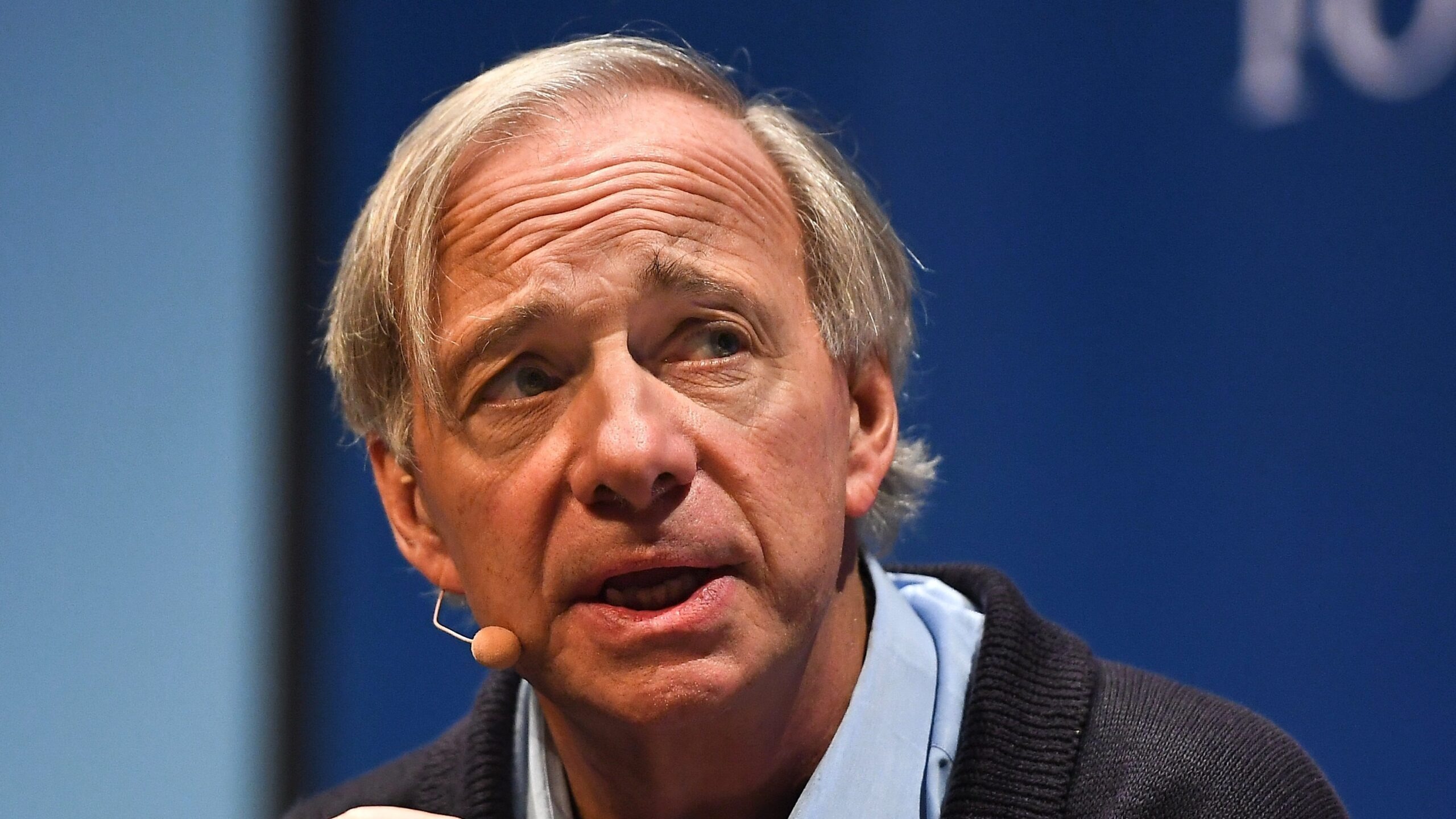
American consumers and businesses face a painful squeeze: prices for shelter, food, and energy remain elevated even as the broader economy loses momentum. Ray Dalio has described the current environment as “a stagflation economy, with prices high and growth slowing at once,” a diagnosis now backed by a cluster of federal data releases covering the first months of 2026. The Bureau of Economic Analysis (BEA) advance GDP estimate for the first quarter showed real growth at a subdued pace, while the Bureau of Labor Statistics (BLS) published April 2026 Consumer Price Index data reflecting persistent year-over-year gains across major spending categories. For households already stretched thin, the combination means higher costs without the wage growth or job creation that typically offset them.
Why the stagflation label carries real weight right now
Stagflation is not just an academic label. When prices stay high and output slows at the same time, the Federal Reserve confronts a policy bind: cutting interest rates to stimulate growth risks stoking inflation further, while holding rates steady or raising them could deepen an economic slowdown. The tension is visible in the latest government releases. The advance GDP report for Q1 2026 captured weakening real output alongside PCE price index readings and core PCE measures that remain above the Fed’s two-percent target. If core PCE stays above 2.4 percent while real GDP growth prints below one percent annualized over the next two quarters, the Fed’s reaction function could shift toward earlier rate cuts even with shelter inflation running hot. That hypothesis rests on the idea that policymakers will eventually prioritize growth over price stability when the labor market softens enough to reduce demand-side pressure on prices.
The April employment report from the labor market survey added evidence on the stagnation side, with payroll gains slowing and the unemployment rate edging higher. Slower hiring reduces household income growth, which in turn limits consumer spending, the engine behind roughly two-thirds of U.S. GDP. Yet prices have not retreated in step. Research from the Brookings Institution on inflation expectations warns that once consumers and businesses begin to expect persistent price increases, those expectations can become self-fulfilling, keeping inflation elevated even as demand cools.
Federal data confirm the price-growth disconnect
The strongest evidence for Dalio’s stagflation framing comes from pairing the BEA’s national accounts data with the BLS consumer price reports. The April CPI release documented continued year-over-year increases in shelter, food, and energy, the three categories that absorb the largest share of household budgets. Shelter costs alone have been among the stickiest components of inflation throughout 2025 and into 2026, resisting the downward pressure that rate hikes were designed to create. Food prices, particularly for groceries consumed at home, have also remained elevated, while energy costs have swung with global commodity markets but still sit above pre-pandemic norms.
On the growth side, the BEA’s first-quarter estimate showed real GDP expanding at a pace well below the roughly two-percent trend that many economists associate with a healthy U.S. economy. Business investment has cooled as higher borrowing costs bite, and interest-sensitive sectors such as housing and durable goods have seen demand soften. Taken together, the data describe an economy that is not in outright contraction but is clearly losing steam, even as households confront price levels that never fully reset after the initial post-pandemic inflation surge.
Household budgets under pressure
For families, the macroeconomic jargon translates into concrete trade-offs. Elevated shelter costs mean renters face larger lease renewals and prospective buyers struggle with both high home prices and expensive mortgages. Persistent food inflation forces shifts toward cheaper brands or smaller baskets, while higher energy bills squeeze the remaining room in monthly budgets. With wage growth no longer outpacing inflation in many sectors, real purchasing power has flattened or declined, particularly for lower- and middle-income workers who spend a larger share of their income on essentials.
These pressures can feed back into the broader economy. When households cut discretionary spending to cover rent, groceries, and utilities, service industries from restaurants to travel feel the impact. Businesses, in turn, may delay hiring or investment, reinforcing the slower-growth dynamic that characterizes stagflation.
Policy dilemmas and what comes next
The Federal Reserve’s challenge is to navigate between two risks: easing too soon and reigniting an inflation surge, or holding tight and allowing a mild slowdown to harden into something more severe. The latest inflation and GDP readings suggest that price pressures are no longer broad-based but remain entrenched in key categories that matter most to households. That makes headline progress on inflation feel less meaningful on the ground.
Fiscal policymakers face their own constraints. With higher interest costs on existing federal debt and limited political appetite for large new spending programs, there is little room for sweeping stimulus. Targeted measures aimed at housing supply, energy efficiency, or food assistance could relieve pressure at the margins, but they are unlikely to transform the overall macro picture quickly.
Dalio’s stagflation warning, once theoretical, now reflects a pattern visible in official data: slower growth alongside stubbornly high prices for life’s necessities. Whether the U.S. can escape this bind without a deeper downturn will depend on how quickly inflation in shelter and other sticky categories responds to earlier rate hikes-and how deftly policymakers balance the competing demands of price stability and full employment in the months ahead.