Morgan Stanley chief U.S. equity strategist Mike Wilson is telling clients to treat the latest stock-market slide as a buying opportunity, even while acknowledging that equity valuations have not meaningfully compressed. The call carries weight because Wilson has built a track record of shifting between bearish and bullish stances at high-profile moments. Earlier, he projected a possible 10 percent S&P 500 decline and said he was “eager to buy the dip.” Now, with the Federal Reserve issuing a fresh implementation note on April 29, 2026, and the Treasury maintaining a steady schedule of debt buyback operations, Wilson’s thesis rests on whether background liquidity support can keep stretched multiples from snapping.
Wilson’s buy-the-dip pattern and the liquidity question
The tension in Morgan Stanley’s latest stance is straightforward: the firm is advising clients to add equity exposure during a pullback while simultaneously conceding that price-to-earnings ratios remain above long-run averages. That combination only works if something else props up demand for stocks. Wilson has pointed to liquidity conditions as that prop, and two institutional mechanisms sit at the center of his argument.
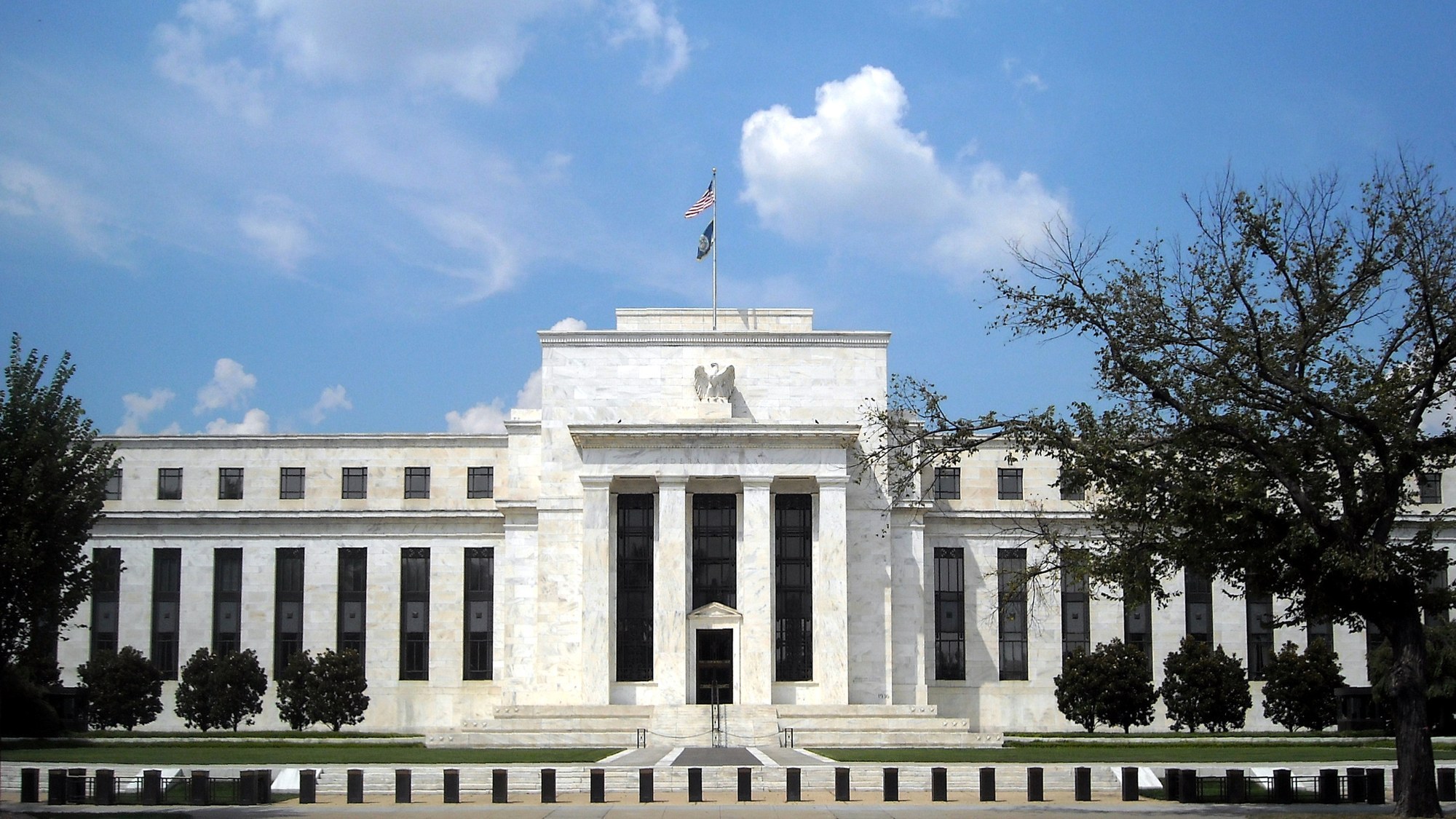
First, the U.S. Treasury’s ongoing buyback program has kept a predictable flow of cash moving through the system. The Treasury buyback hub publishes operation-by-operation announcements and results, giving market participants real-time visibility into how much liquidity the government is recycling by repurchasing older, less-liquid securities. Second, the Federal Reserve Board released an implementation note on April 29, 2026, detailing the operational stance on administered rates and overnight reverse repo terms. Together, these two channels form the liquidity backdrop Wilson is leaning on.
A testable version of his thesis would look like this: buy-the-dip calls from Morgan Stanley should produce measurable outperformance in periods when weekly Treasury buyback volumes exceed the trailing four-week average by at least 15 percent. When buyback activity runs hot, more cash re-enters the market and bids up risk assets, giving dip buyers a tailwind. When buyback volumes flatten or shrink, that tailwind fades, and stretched valuations become a liability rather than a feature investors can ride through.
What the verified record shows about Wilson’s earlier calls
Wilson’s current recommendation is not new in tone. According to Bloomberg coverage from mid-2025, Wilson projected a potential 10 percent S&P 500 decline while stating he was eager to buy the dip. That framing, anticipating near-term pain but positioning for a rebound, mirrors the structure of the current call almost exactly. The consistency raises a practical question for investors: does the strategy actually deliver returns, or does it simply sound disciplined while markets grind sideways?
The available evidence does not settle that question cleanly. Treasury buyback results are published as individual operation PDFs and XML files, but no single public dataset aggregates weekly volumes against equity returns in the format needed to directly validate Wilson’s liquidity-linked framework. Similarly, the Federal Reserve’s implementation note sets out the parameters for policy tools such as interest on reserve balances and overnight reverse repurchase operations, but it does not translate those mechanics into a simple forecast for equity multiples or index-level performance.
What can be said is that Wilson has tended to frame his buy-the-dip messages around identifiable catalysts. In 2025, the projected 10 percent pullback was tied to concerns about earnings revisions and tightening financial conditions, with the argument that those headwinds would be temporary. In 2026, the emphasis has shifted toward institutional liquidity support as the counterweight to high valuations. The through line is an attempt to reassure clients that short-term volatility can be harnessed rather than feared, provided there is a clear mechanism for recovery.
How investors might use – and stress-test – the call
For investors, the practical question is not whether Wilson is right in theory, but how to translate his thesis into portfolio decisions. One straightforward approach is to treat the Treasury and Federal Reserve actions as conditional signals rather than guarantees. When buyback operations are frequent and sizable relative to recent history, and when the Fed’s implementation stance suggests stable or improving liquidity, investors might feel more comfortable adding incremental equity exposure on pullbacks. Conversely, if buyback volumes slow or the Fed tightens the terms of its facilities, the same buy-the-dip message may warrant more caution.
Another layer of stress-testing involves time horizon. Wilson’s framework implicitly assumes that liquidity support will bridge the gap between elevated valuations and future earnings growth. That bridge may hold over months, but it is less reliable over years if profit growth fails to materialize. Long-term investors therefore need to distinguish between tactical opportunities created by short bursts of official-sector liquidity and the structural question of how much they are willing to pay for corporate cash flows.
None of this means Wilson’s call should be dismissed. His willingness to outline a specific, liquidity-based rationale gives investors a concrete set of variables to monitor, rather than a vague appeal to market resilience. But the lack of clean, aggregated data linking Treasury buybacks, Federal Reserve operations, and equity returns means that any buy-the-dip strategy built on this foundation remains partly a judgment call. For now, investors inclined to follow Morgan Stanley’s guidance may find it most useful as a framework for sizing and timing risk, not as a promise that every pullback will resolve into a swift and painless rebound.