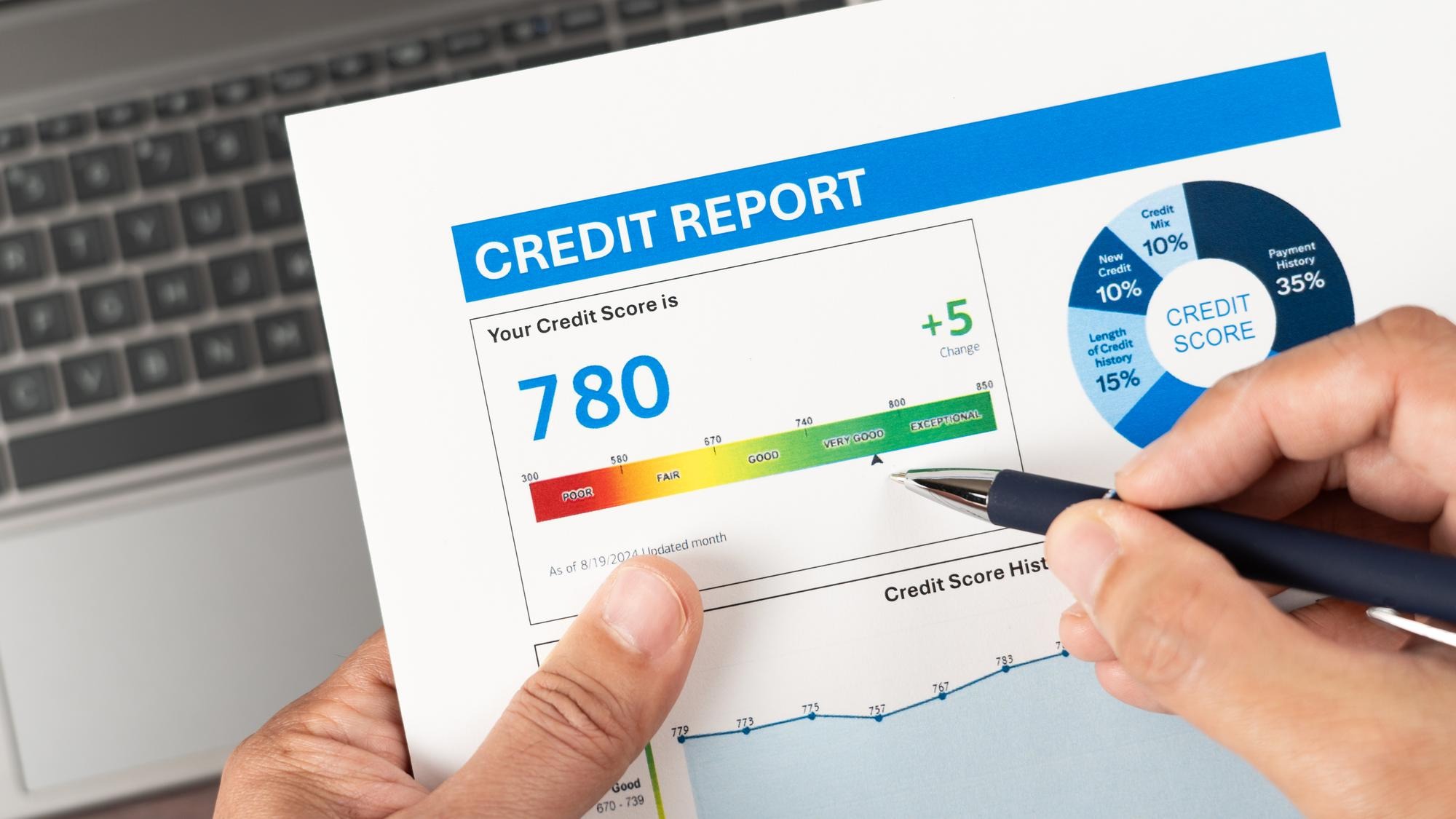
Every American now has the right to pull a free credit report from each of the three nationwide bureaus every single week, not just once a year. The Federal Trade Commission confirmed this change through a consumer alert, making permanent a policy that first took effect as a temporary pandemic-era measure. The shift matters because it gives consumers a faster way to spot errors, detect fraud, and act before inaccurate data costs them a loan approval or a lease.
Why Permanent Weekly Access Changes the Stakes for Borrowers
Federal law has long entitled consumers to one free credit report every 12 months from each nationwide credit reporting agency. That baseline right, codified under federal regulations, created a once-a-year snapshot that left months of potential errors or fraudulent accounts invisible between checks. The jump from annual to weekly access removes that gap entirely.
The practical consequence is direct: a person applying for a mortgage, car loan, or apartment can now review all three bureau files days before a lender pulls them, rather than relying on a report that could be months old. Errors on credit reports are not rare, and inaccurate information can depress scores or suggest higher risk than a borrower actually presents. When consumers can check weekly, they can file disputes closer to the moment an inaccuracy appears, which shortens the window in which bad data can do damage. That timing advantage is especially important for victims of identity theft, who often discover fraudulent accounts only after they trigger a credit check.
Weekly access also changes the psychology of monitoring. Instead of treating a credit report as a once-a-year chore, people can fold it into a regular financial routine alongside checking bank statements or card transactions. Consumers who are rebuilding credit after past delinquencies may find it easier to track how new, on-time payments are reflected across all three bureaus, and to verify that closed accounts or resolved collections are updated as promised. Over time, more frequent engagement could lead to better-informed decisions about when to apply for new credit and when to wait.
The Federal Framework Behind AnnualCreditReport.com
AnnualCreditReport.com is the only website authorized by the federal government to fill orders for the free credit reports consumers are entitled to under law. Both the FTC and other federal resources identify it as the sole authorized portal, and it is the site the government points to when explaining how to obtain no-cost reports. Regulation V reinforces that exclusivity in required disclosure language: any company marketing “free credit reports” must tell consumers they have the right to obtain a free report from AnnualCreditReport.com, described as the only authorized source under federal law.
That legal structure exists because dozens of commercial websites advertise free credit information while steering users toward paid subscriptions, credit monitoring bundles, or data harvesting schemes. The FTC’s consumer alert about permanent weekly access directs people specifically to AnnualCreditReport.com and warns them to avoid lookalike sites that may mimic the name or design. The agency’s broader guidance on credit report access urges consumers to navigate directly to the official site or use links from government pages, rather than clicking on ads or unsolicited emails.
Consumers who suspect fraud can also file reports through IdentityTheft.gov, a separate federal resource linked from the same alert. That site helps victims create recovery plans, generate prefilled letters for creditors, and document disputes with the credit bureaus. Using both tools together-regular credit checks and a centralized reporting portal-gives people a clearer path from spotting a problem to getting it corrected.
What No One Has Measured Yet About Weekly Report Access
The biggest open question is whether permanent weekly access actually changes consumer behavior at scale. Neither the FTC nor the Consumer Financial Protection Bureau has published data showing how many people have requested weekly reports since the policy became permanent. Without those numbers, it is impossible to know whether the expanded right is widely used or largely ignored.
There is also no published study connecting weekly access to measurable improvements in credit accuracy or reductions in identity theft losses. The theory is straightforward: more frequent checks should catch problems sooner, which should, in turn, reduce the duration and cost of fraud and limit the time that errors linger on a file. But the evidence trail currently stops at the policy itself. No regulator has released enforcement data on unauthorized sites exploiting the “free credit report” label since the pandemic-era expansion became permanent, and there is no public breakdown of how often consumers successfully remove inaccurate information after spotting it through weekly monitoring.
Those gaps do not diminish the legal right to weekly reports, but they do leave open questions about impact. If relatively few people take advantage of the change, the benefits may be concentrated among the financially engaged consumers who were already checking annually. On the other hand, if usage quietly climbs, regulators may eventually see shifts in complaint patterns, dispute volumes, or fraud recovery timelines that trace back to more vigilant monitoring.
For now, the most concrete takeaway is simple: the tools are available, and they are free. Consumers who make a habit of pulling their reports through the official channel, watching for unfamiliar accounts, and following up quickly when something looks wrong are using the policy as intended. Whether or not the broader population follows suit, weekly access gives every borrower a stronger chance to catch problems before they turn into denials, higher rates, or long, frustrating fights to fix their records.


