Americans lost $3.5 billion to imposter scams in 2025, and the Federal Trade Commission received more than one million reports about the category, making it the single most-reported type of fraud for the third consecutive year. The sheer volume of complaints dwarfs every other fraud type the agency tracks, and the dollar figure keeps climbing even as federal agencies expand their reporting tools and public awareness campaigns. According to the FTC’s latest release on 2025 imposter losses, people most often said they were contacted by phone, followed by text, email, and social media.
Three years atop the FTC fraud rankings
Imposter scams held the top spot in the FTC’s fraud complaint rankings in 2023, 2024, and again in 2025. Total reported fraud losses nationwide crossed $10 billion in 2023, then jumped to $12.5 billion in 2024. The $3.5 billion attributed to imposter scams alone in 2025 represents a significant share of those broader totals, and the category has consistently outpaced online shopping fraud, prize scams, and business-opportunity schemes in raw complaint counts.
The FTC’s consumer advice division described new trends in imposter-scam reports, noting that scammers rapidly adapt their scripts to match current events and shift between impersonating businesses and government offices depending on what generates the most panic. That adaptability helps explain why blocking technologies and do-not-call registries have not slowed the complaint volume. Callers change their claimed identity faster than filters can update, and the same basic scheme can be repackaged as a delivery problem, a tax issue, or a bank security alert with only minor tweaks.
Separately, the FBI flagged phishing and spoofing as top complaint types in its 2025 Internet Crime Report, which also highlighted cryptocurrency and AI-driven scams bilking Americans of billions. Phishing and spoofing overlap heavily with imposter tactics, since both rely on convincing a target that the sender or caller is someone they are not. The two agencies use different taxonomies, but their data point in the same direction: deception-based fraud is growing faster than the enforcement apparatus designed to stop it.
Data breaches may fuel the complaint surge more than enforcement gaps
One pattern worth examining is the timing. The sustained rise in imposter-scam reports tracks more closely with the cadence of large-scale data breaches than with any measured shift in FTC or FBI enforcement activity. When personal information from breached databases circulates on criminal marketplaces, scammers gain the raw material they need to sound credible on the phone or in an email. They can reference a target’s real account number, employer, or recent purchase, which makes the impersonation far more convincing.
The FTC’s own data releases do not break out how many imposter-scam victims had their personal information exposed in a prior breach, so a direct causal link cannot be drawn from the published numbers alone. The agency’s Consumer Sentinel Network summaries focus on ranked fraud categories, payment methods, and demographic breakdowns rather than the provenance of the data scammers exploit. Still, the overlap between major breach announcements and subsequent spikes in complaint volume suggests that stolen data is doing more to supercharge imposter schemes than any change in investigative priorities.
Enforcement statistics also undercut the idea that tougher policing alone can explain the higher complaint totals. The FTC has expanded its online reporting portals and partnered with state attorneys general to encourage victims to come forward, but those efforts have rolled out gradually over several years. By contrast, individual data breaches can suddenly expose millions of records at once, giving scammers a fresh trove of details they can weaponize in scripted calls and emails almost immediately.
How scammers tailor their approach
With richer personal profiles in hand, imposter scammers can customize their pitch to fit each target. Someone whose leaked information shows a recent loan application might get a fake “verification” call from a supposed lender. A person with a history of online marketplace purchases could be told there is a problem with a shipment or payment dispute. These tailored narratives are harder for consumers to dismiss as generic spam, especially when the caller can recite partial Social Security numbers or recent transaction amounts.
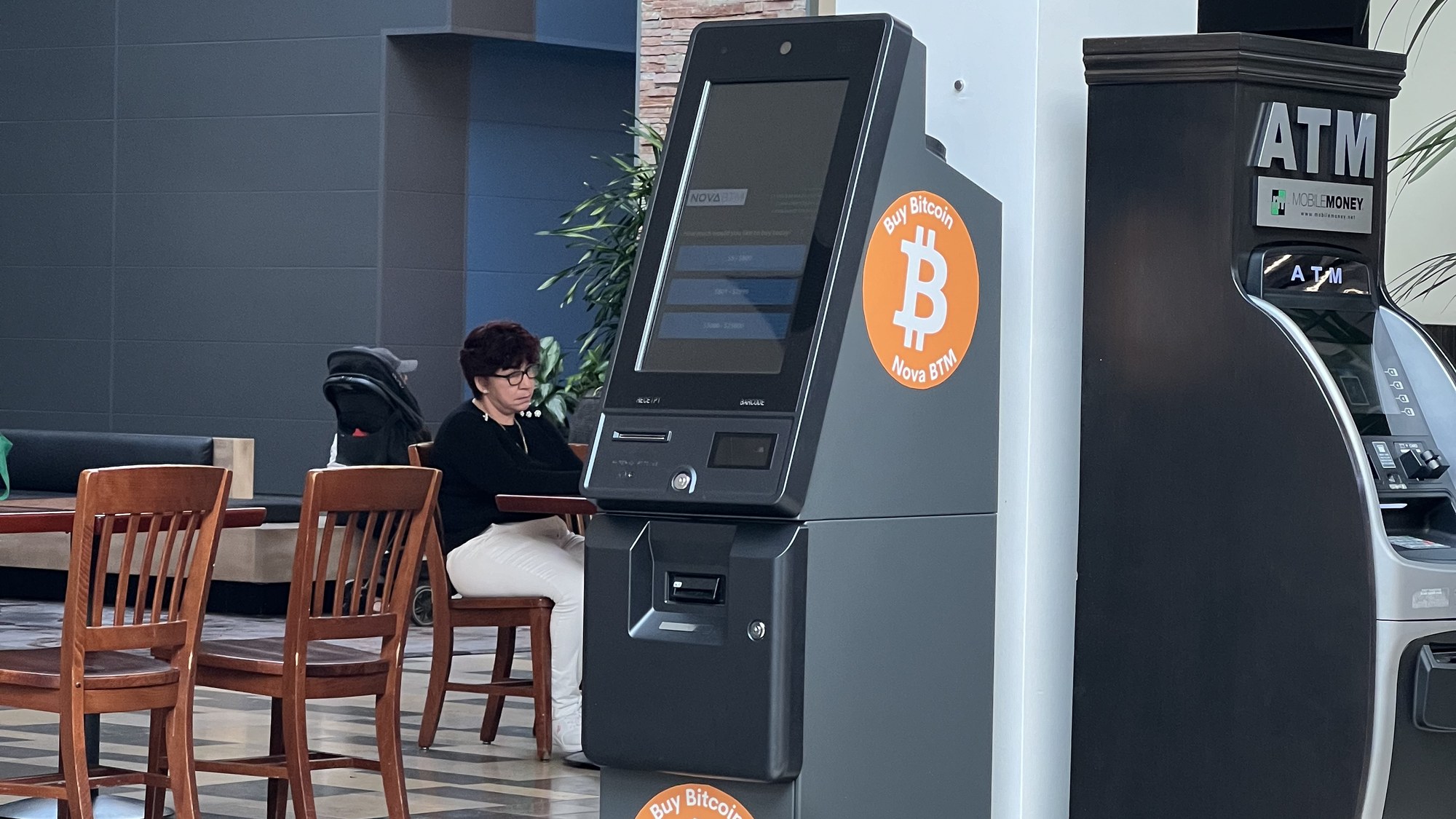
The FTC’s recent consumer alerts emphasize that scammers now mix channels freely, starting with a text, shifting to a phone call, and then steering victims toward payment via cryptocurrency kiosks, payment apps, or gift cards. Each step is designed to move the conversation away from platforms that might flag suspicious activity and toward irreversible payment methods that are difficult for law enforcement to trace or recover.
Implications for prevention
The data points toward a prevention strategy that treats data security and fraud education as two sides of the same problem. Reducing the volume of personal information available to criminals-by tightening breach notification rules, improving corporate security practices, and limiting unnecessary data collection-could blunt the realism of future imposter pitches. At the same time, public campaigns need to focus less on the specific story a caller tells and more on the underlying pressure tactics: urgency, secrecy, and demands for unusual forms of payment.
For individual consumers, the most practical takeaway from the latest FTC numbers is to distrust any unexpected contact that asks for money or sensitive information, even when the caller seems to know a great deal about you. Verifying claims through a trusted phone number or website, instead of links or numbers provided in a message, remains the most reliable defense. As long as imposter scams sit atop the fraud rankings, vigilance will have to make up for the structural weaknesses in how organizations collect, store, and protect personal data.