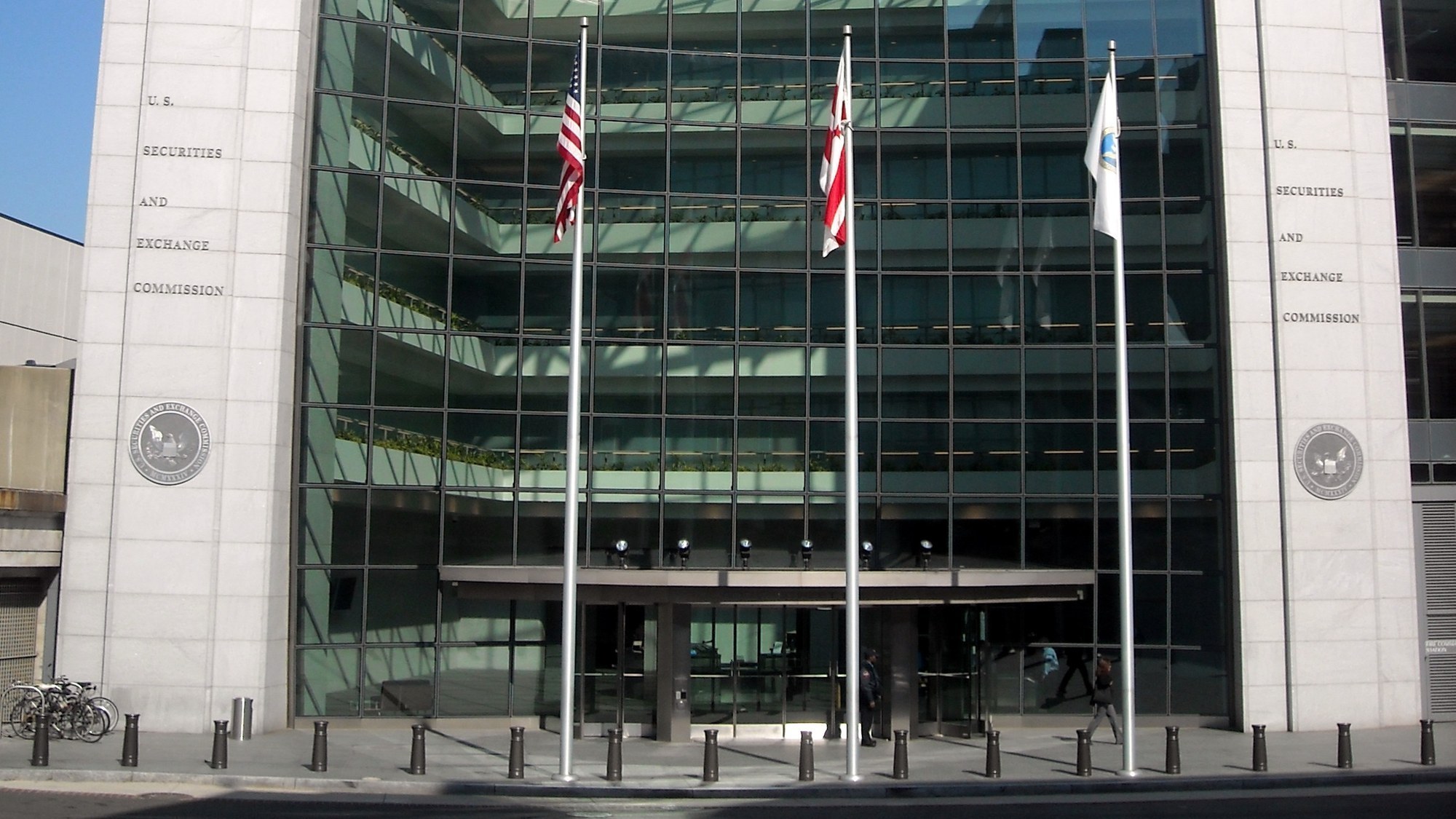
The Securities and Exchange Commission ordered $17.9 billion in monetary relief across 456 enforcement actions during fiscal year 2025, more than doubling the prior year’s total even as the agency filed far fewer cases. That surge, driven in large part by a single legacy fraud case worth billions, raises a pointed question: does the headline number reflect a stronger enforcement machine, or the delayed resolution of old business?
A $17.9 billion total built on fewer cases and one massive judgment
The SEC’s fiscal year 2025 results show $10.8 billion in disgorgement and prejudgment interest alongside $7.2 billion in civil penalties, according to the agency’s enforcement overview. Those 456 actions represent a sharp drop from the 583 enforcement actions and $8.2 billion in financial remedies the SEC reported for fiscal year 2024. The math is striking: fewer cases produced more than twice the dollar recovery.
One case explains much of the gap. On January 29, 2025, a court entered final judgments against Robert Allen Stanford and seven other defendants in connection with what the SEC described as an approximately $8 billion Ponzi scheme. The judgment against Stanford alone included a $5.9 billion civil penalty, with additional disgorgement and prejudgment interest ordered against multiple defendants. That single matter, which the SEC first brought years ago, accounts for a substantial share of the fiscal year’s total. Strip it out, and the remaining enforcement haul looks far less dramatic relative to prior years.
The comparison with the previous year underlines this point. In its 2024 enforcement summary, the SEC highlighted $4.9 billion in remedies across 583 actions, including significant cases involving crypto asset platforms, recordkeeping violations, and complex financial products, but nothing approaching the sheer dollar magnitude of the Stanford penalty. The 2025 figures therefore reflect not just ongoing enforcement work, but the delayed crystallization of an unusually large, long-running case into a final money judgment.
An “unprecedented rush” before the inauguration shaped the fiscal year
The SEC itself acknowledged unusual timing pressures. The agency described an “unprecedented rush” of filings ahead of the presidential inauguration, producing record enforcement activity in the first quarter of fiscal year 2025. That front-loaded burst suggests the agency moved to resolve pending matters before a change in administration could shift priorities or staffing.
This pattern complicates any straightforward reading of the $17.9 billion figure as evidence of expanding enforcement capacity. A concentrated push to close cases before a political transition is not the same as a sustained increase in the SEC’s ability to detect and prosecute new fraud. The drop from 583 to 456 total actions reinforces that distinction. The agency filed roughly 22 percent fewer cases year over year, even as the dollar amounts climbed.
The SEC’s own description of prior-year results underscores how unusual 2025 looks. In its 2024 enforcement recap, the Commission emphasized broad activity across public company disclosures, crypto assets, and private funds, but the overall financial remedies were far more evenly distributed across dozens of matters. By contrast, 2025’s headline total leans heavily on a single, legacy fraud and a time-compressed wave of pre-inauguration resolutions.
What investors still do not know about the $17.9 billion
Ordered relief and collected relief are not the same thing. The SEC maintains a program to distribute recovered funds to harmed investors when feasible, but no public breakdown yet shows how much of the $17.9 billion has actually been collected or returned to victims. In cases like the Stanford fraud, where the scheme spanned years and involved offshore entities, the gap between a court order and cash in hand can be wide and slow to close.
The SEC has also not published a detailed breakdown isolating the Stanford judgments or other large legacy matters from the aggregate total. Without that granularity, readers cannot assess how much of the 2025 remedies stem from fresh misconduct uncovered in recent years versus older cases finally reaching judgment. Nor is it clear how much of the ordered relief is realistically collectible, given the frequent insolvency of defendants in major frauds and the practical limits of asset recovery.
For investors and policymakers, these missing details matter. If most of the $17.9 billion reflects a one-time penalty in a long-running Ponzi scheme, the headline number may exaggerate the underlying strength of the SEC’s ongoing enforcement pipeline. Conversely, if a significant share of the total comes from a broad mix of newer cases and is likely to be collected, the figures could signal a more durable deterrent effect.
Until the Commission provides more disaggregated data-separating legacy matters from recent filings, and ordered amounts from actual recoveries-the 2025 enforcement record will remain difficult to interpret. The impressive dollar total is real, but its meaning for market integrity, investor protection, and the future trajectory of SEC enforcement is still an open question.