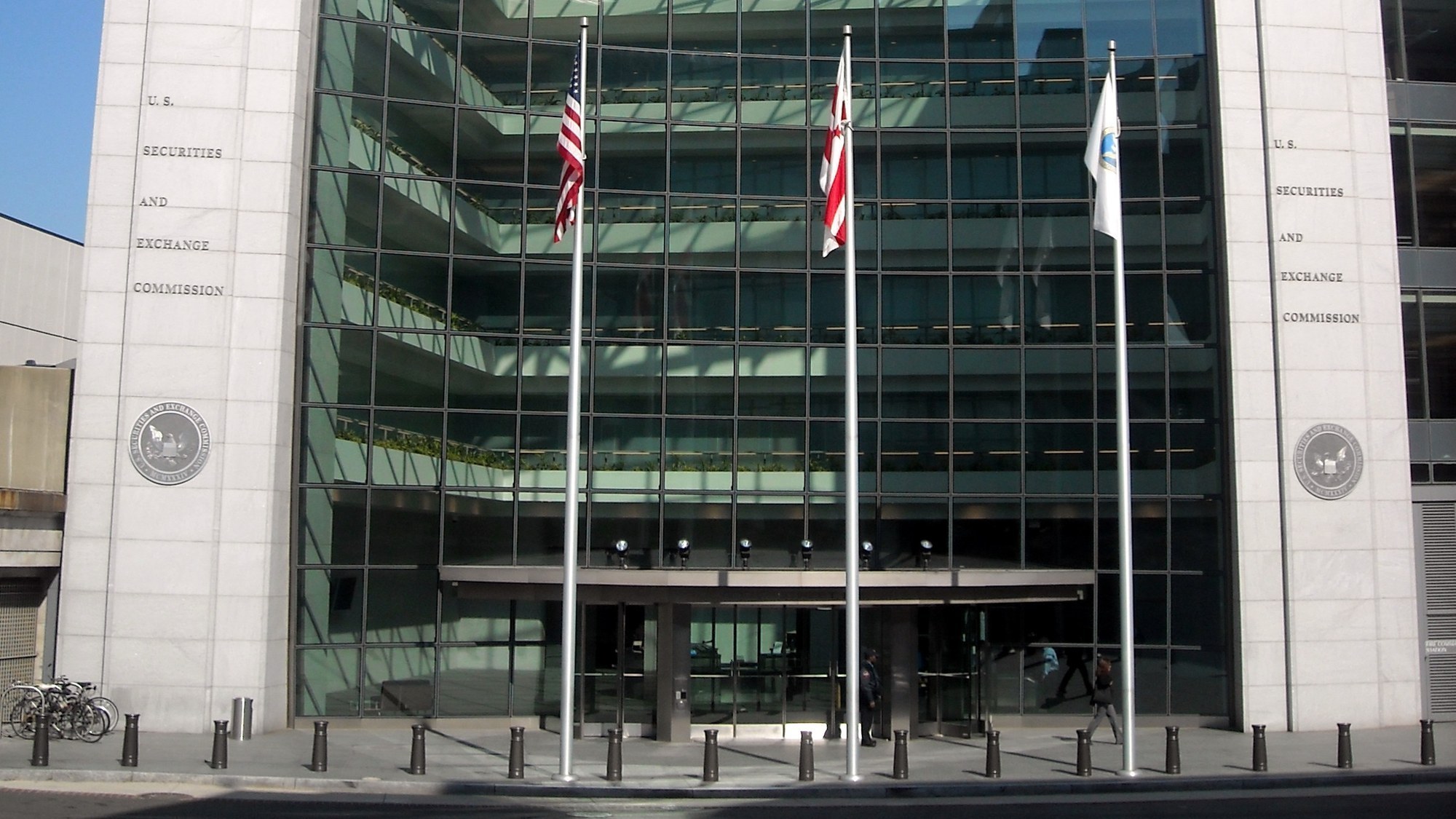
Federal prosecutors unsealed criminal charges against 30 people accused of stealing confidential merger details from major law firms and trading on that information across nearly 30 deals, generating what authorities describe as tens of millions of dollars in illegal profits. The Securities and Exchange Commission filed parallel civil charges against 21 of the same individuals, calling the case a coordinated enforcement action spanning conduct from 2018 through 2024. The dual filings represent one of the largest insider-trading takedowns in recent years, with the Department of Justice and the SEC moving simultaneously to freeze assets and pursue penalties.
Why DOJ and SEC Filed in Lockstep on This Ring
The coordination between criminal and civil authorities was not accidental. By filing at the same time, federal prosecutors and SEC enforcement staff can share evidence gathered through grand jury subpoenas, electronic communications, and trading-account traces without duplicating work. In past cases where the two agencies acted independently, months of lag between criminal indictments and civil complaints gave defendants time to move money offshore or liquidate brokerage positions. The parallel structure here aims to close that window and immediately target accounts believed to hold illicit gains.
A working hypothesis among enforcement watchers is that this kind of simultaneous filing accelerates asset recovery. When DOJ agents and SEC investigators coordinate on the same trading records and bank accounts from the start, they avoid the bottleneck of one agency waiting for the other’s discovery. The SEC’s own description of the matter as a wide‑reaching scheme underscores that the civil case is built on the same core factual record as the criminal indictment, rather than on a separate, slower investigation.
The sheer number of defendants, 30 on the criminal side and 21 on the civil side, also matters. Prosecutors often use large-scale indictments to pressure lower-level participants into cooperating. Defendants facing both prison time and civil disgorgement have stronger incentives to settle quickly or flip on alleged ringleaders, which can speed the return of stolen profits to harmed investors. Coordinated filings also let the SEC seek emergency relief, such as asset freezes and trading suspensions, at the same moment that prosecutors unseal charges, making it harder for alleged insiders to dissipate funds.
Stolen Law-Firm Secrets and the Trading Trail
The scheme, according to the Massachusetts U.S. Attorney’s Office, revolved around confidential information taken from major law firms that advised on mergers and acquisitions for corporate clients. Prosecutors allege that members of the ring obtained advance knowledge of pending deals and funneled that information to traders who bought securities shortly before public announcements pushed prices higher. Those trades, placed in brokerage accounts across multiple countries, allegedly generated tens of millions of dollars in illicit gains.
The indictment filed as USA v. Fejal et al., Case 1:26-cr-10133-LTS, lays out specific allegations about how material nonpublic information on multiple pending deals was obtained and traded. The SEC’s parallel complaint puts the number of affected transactions at a minimum of a dozen, while the Justice Department’s broader framing references nearly 30 M&A deals. That gap likely reflects the different evidentiary standards each agency applies: the SEC needs to prove its case by a preponderance of the evidence, while prosecutors must meet the higher beyond-a-reasonable-doubt threshold and may have focused charges on the strongest fact patterns.
Authorities say the trading followed familiar patterns seen in prior cross-border cases. In earlier actions, such as a Macau‑based insider‑trading case, regulators traced suspicious options purchases clustered in the days before deal announcements, often executed through accounts with no prior history in the securities at issue. Here, investigators again point to concentrated bets on takeover targets, rapid liquidations after news broke, and profits that far exceeded the account holders’ typical trading activity.
The Massachusetts indictment and the SEC complaint both emphasize the role of intermediaries who allegedly acted as conduits between sources at law firms and traders in different jurisdictions. These go-betweens, according to the charging documents, helped obscure the trail by passing tips through encrypted messages and by spreading trades across multiple accounts. Yet the same diffusion that was meant to hide the activity also created a larger data footprint, giving investigators more trading records, communications, and money flows to analyze.
What the Case Signals for Wall Street and Law Firms
For Wall Street, the case is a reminder that regulators are willing to build sprawling, multi-year investigations when they see patterns of suspicious trading around corporate events. The focus on law-firm information underscores that insider-trading risk extends well beyond corporate boardrooms and C-suites. Any professional with access to sensitive deal details-lawyers, paralegals, IT staff, consultants-can become a target for would-be tipsters or a source of liability for their employer.
Law firms, in particular, are likely to face renewed scrutiny of their information-security practices. The allegations highlight vulnerabilities in how deal documents are shared, stored, and accessed, especially in an era of remote work and cross-border teams. Firms may respond by tightening access controls on virtual data rooms, expanding monitoring of document downloads, and revisiting policies on personal trading by employees and their close contacts.
The coordinated actions by DOJ and the SEC also send a broader deterrent message. By moving in lockstep, the agencies signal that complex, international trading rings cannot count on jurisdictional gaps or slow-moving civil processes to shield their profits. If the government succeeds in securing convictions and substantial disgorgement orders, the case will likely become a touchstone for future insider-trading enforcement built around professional gatekeepers and global networks of traders.