Americans lost $3.5 billion to imposter scams in 2025, and a growing share of those cons started with a simple text message claiming an unpaid road toll. Reports of government imposter scams rose 40 percent last year, driven in large part by fake toll-collection texts that trick recipients into handing over bank and credit card details. The surge has prompted federal and state authorities to issue repeated warnings, yet the campaign shows no sign of slowing down.
Toll-text fraud is spreading beyond major highway corridors
The mechanics of the scam are straightforward. A recipient gets a text that appears to come from a toll agency, warning of an overdue balance and providing a link. That link leads to a page designed to harvest payment credentials. The Federal Trade Commission’s recent consumer alert on imposter activity attributes the 40 percent jump in government imposter reports partly to these toll messages, which exploded in volume across 2025.
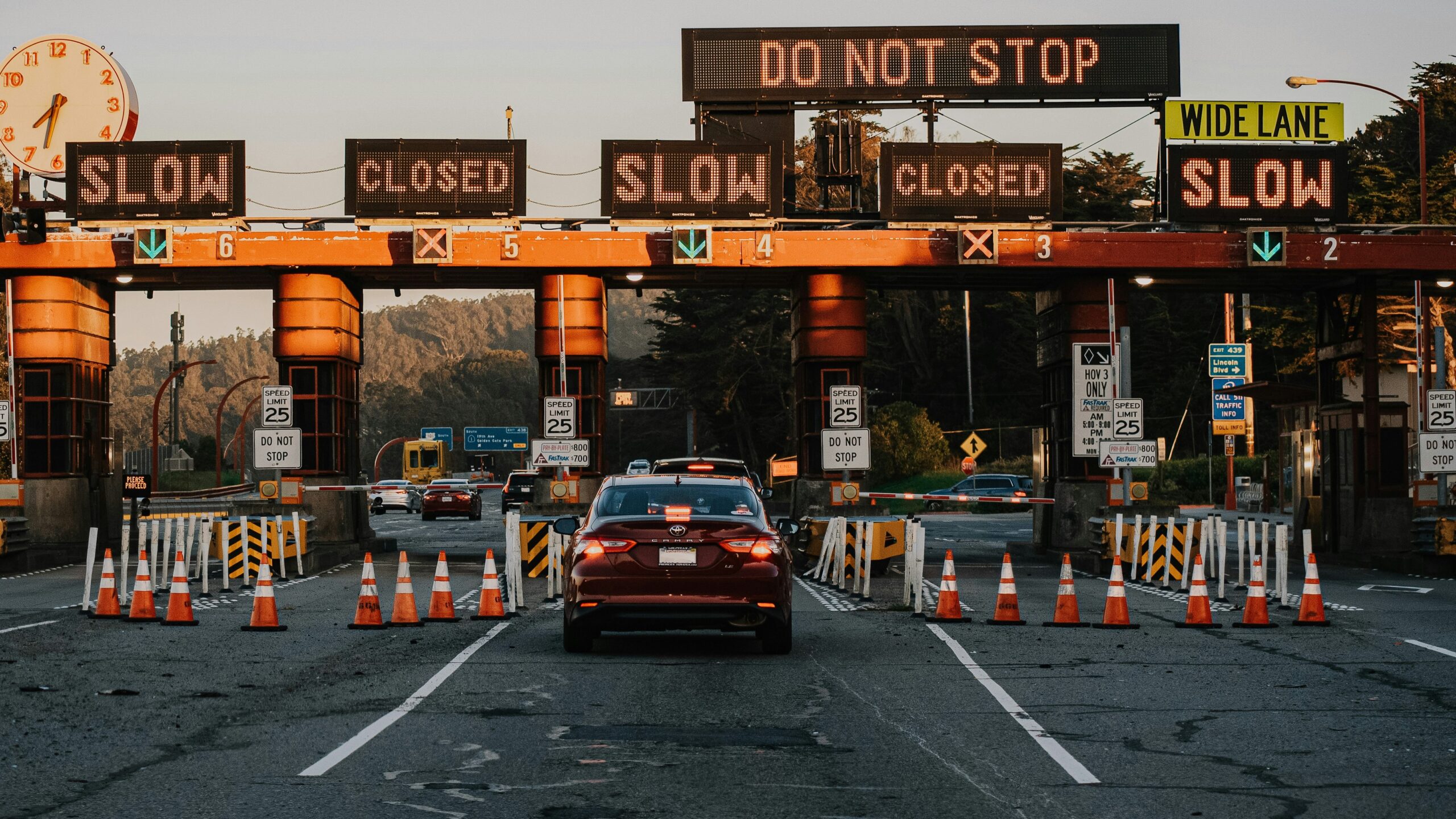
What makes the pattern especially effective is its plausibility. Millions of drivers use electronic toll systems, and small unpaid balances feel routine enough that many people tap the link without thinking. The California Attorney General’s office warned that legitimate operators such as FasTrak never request payment by text with a link. That distinction is the fastest way to separate a real notice from a fraudulent one, but scammers count on urgency overriding caution.
An open question is whether these campaigns are migrating from dense urban toll networks, where targets are plentiful, into states with newer or smaller electronic tolling systems. If scammers are seeding messages in areas where drivers have less experience with toll billing, the hit rate per message could actually be higher. Mapping complaint spikes in the FTC’s Consumer Sentinel database against recent tolling rollouts would test that theory, but granular zip-code data has not been published.
FTC data and enforcement actions behind the 40 percent rise
The $3.5 billion figure covers all imposter scams, not just government varieties, but the category as a whole ranked as a top source of reported losses in the FTC’s 2025 statistics. Within that total, the government imposter subset grew faster than the broader group, with the 40 percent increase standing out as one of the sharpest year-over-year jumps the agency has tracked in the category.
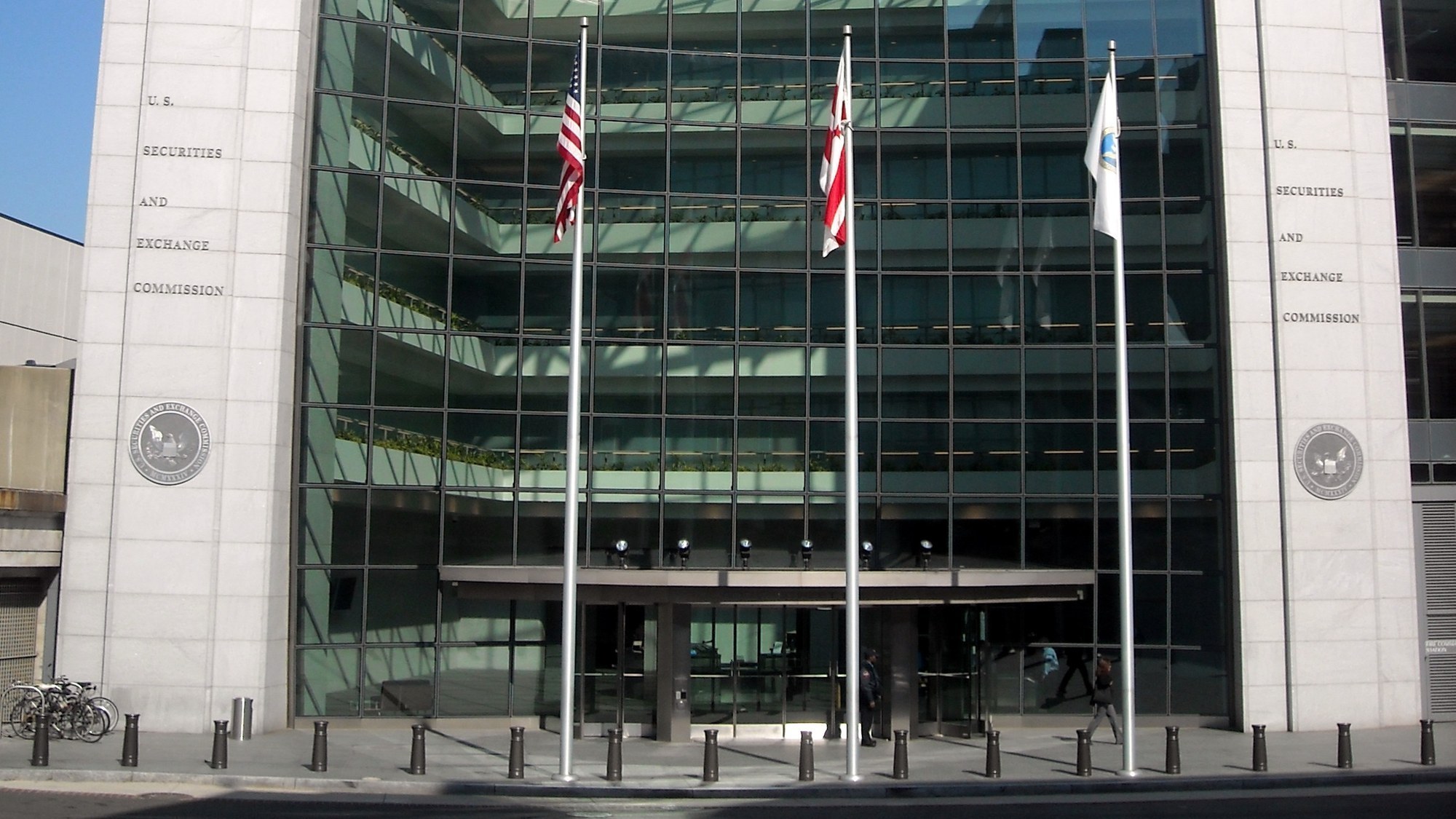
The FTC has also begun taking enforcement actions under its Impersonation Rule, which targets operations that mimic government agencies or well-known businesses to extract money or personal information. Specific case names and penalty amounts tied to toll-text schemes have not yet been disclosed in the public record, so the practical deterrent effect of those actions is still unclear. Still, the rule gives the agency a clearer path to seek monetary relief and civil penalties from companies and individuals that run large-scale smishing operations.
State-level data adds texture but remains incomplete. California’s attorney general issued a consumer alert focused on FasTrak-themed texts, and officials in multiple other states have echoed similar warnings. The Associated Press reported that law enforcement agencies across the country flagged the smishing campaign, with some noting that scammers adapted their messages to bypass iPhone and Android spam filters by changing domain names, sender IDs, and wording every few days. Because many victims never file formal complaints, even these elevated numbers are likely an undercount of the true scope of the fraud.
Researchers and journalists who want to track the trend can examine complaint volumes through the FTC’s public fraud data dashboards, which break out imposter scams by subtype, contact method, and reported losses. While the toll-text category is not yet broken out as its own line item, analysts can infer its growth by looking at government imposter reports initiated by text or messaging apps and comparing those series against earlier years.
How consumers can spot and report fake toll notices
For individual drivers, the most important protection is knowing how toll agencies actually communicate. Officials stress that legitimate operators do not demand immediate payment via a texted link, do not threaten arrest over minor balances, and do not ask for full Social Security numbers or bank logins. Real notices typically arrive by mail or through an established online account, and they direct customers to official websites whose addresses can be verified independently.
Security experts recommend that anyone who receives a supposed toll notice by text should ignore the embedded link and instead navigate directly to the toll agency’s known website or call the customer service number printed on a past statement or posted on roadside signage. If the account is in good standing, the text was almost certainly a scam. Even if a balance is legitimately overdue, paying through official channels avoids handing sensitive information to criminals.
Consumers who clicked a suspicious link or entered payment details are urged to contact their bank or card issuer immediately, change any reused passwords, and monitor accounts for unauthorized charges. They can also forward smishing messages to their carrier’s 7726 (SPAM) reporting line and file a report with the FTC so investigators can better track patterns and share intelligence with state and local partners.
As toll networks expand and more billing moves online, the gap between routine digital notices and criminal lookalikes is likely to narrow. Regulators and toll authorities are under pressure to adopt clearer, standardized messaging practices that make it easier for drivers to distinguish legitimate outreach from fraud. Until those norms are widely adopted, skepticism toward any unexpected text demanding payment may be the most reliable defense.