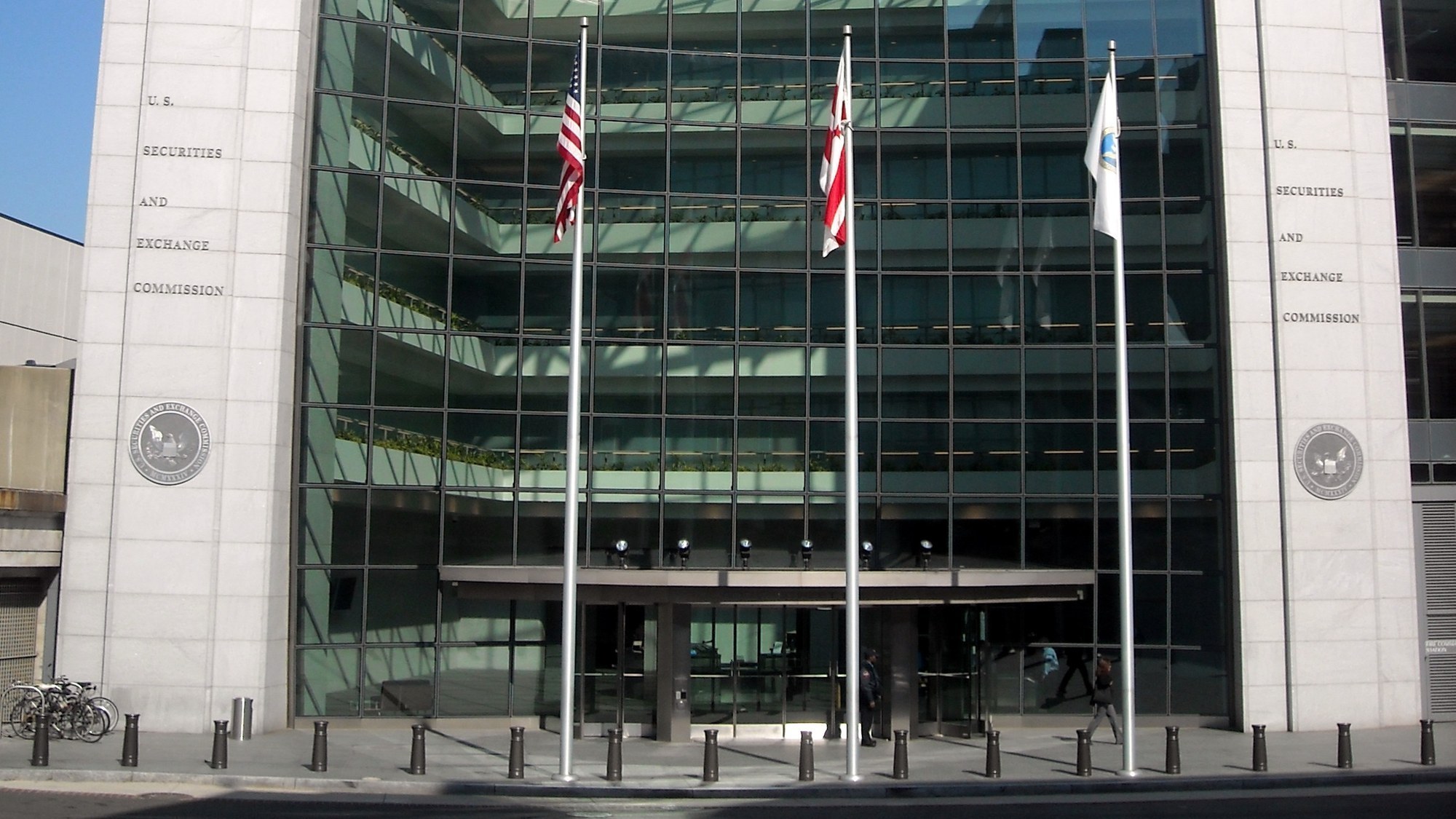
The Securities and Exchange Commission reported $17.9 billion in monetary relief for fiscal year 2025, a figure that on its surface suggests a banner year for investor protection. But a single legacy case, the Robert Allen Stanford Ponzi scheme first charged in 2009, accounts for roughly $8 billion of that total. Remove it, along with credits the agency books against parallel criminal recoveries, and the new enforcement dollars drop to about $2.7 billion, a figure that matches what the SEC said it had returned to investors across four full fiscal years ending in 2024.
How one 2009 Ponzi case inflates a 2025 enforcement total
The gap between the headline number and the adjusted figure traces directly to how the SEC counts court-ordered judgments that may never produce fresh cash for victims. The agency’s own enforcement summary for fiscal year 2025 acknowledges that its $17.9 billion monetary relief total includes amounts “deemed satisfied” when courts credit SEC judgments against restitution or forfeiture already ordered in criminal proceedings. That accounting convention lets the same dollars appear on both the civil and criminal ledgers without doubling the money actually available to defrauded investors.
The Stanford matter is the most extreme example. A federal court ordered disgorgement plus prejudgment interest of more than $6.7 billion against the former financier, alongside a $5.9 billion civil penalty. The SEC detailed those figures in a 2026 litigation release describing the massive judgment entered against Robert Allen Stanford. Those sums dwarf every other individual judgment the agency obtained during the fiscal year, yet they stem from a fraud the SEC first attacked as an emergency action in February 2009. The Department of Justice secured its own criminal money judgment through a parallel forfeiture proceeding, meaning much of the civil total overlaps with recoveries already tracked by federal prosecutors rather than representing new money flowing into SEC-administered funds.
Because the SEC can count a judgment as monetary relief even when a court deems it satisfied by criminal restitution, the Stanford case magnifies the 2025 headline number without changing the practical recovery outlook for most victims. The agency is not misreporting what courts ordered; it is following longstanding conventions for tallying disgorgement, penalties and interest. But the resulting figures blend decades-old frauds with current-year enforcement, making it difficult for the public to assess how much fresh value the agency actually generated for harmed investors over the past 12 months.
What $2.7 billion actually means for defrauded investors
Stripped of the Stanford overhang and deemed-satisfied credits, the SEC’s new enforcement recoveries land near $2.7 billion. That number carries its own context. In fiscal year 2024, the agency reported distributing $345 million to investors and noted it had returned more than $2.7 billion to harmed investors since the start of fiscal year 2021. In other words, the adjusted FY2025 figure roughly equals the cumulative distribution total the agency highlighted just one year earlier as a multi-year achievement, underscoring how sensitive the headline totals are to a handful of blockbuster cases and accounting choices.
The Stanford case itself involved an alleged $8 billion scheme built on fabricated financial statements at Stanford International Bank and the sale of sham certificates of deposit. The SEC later charged two accountants and an Antiguan financial regulator accused of bribery and obstruction. But the sheer scale of the fraud, and the difficulty of recovering assets from a convicted fraudster now serving a 110-year prison sentence, means the court-ordered billions are largely uncollectible in practice. Booking them as monetary relief in the same year as routine insider-trading penalties or corporate disclosure cases can blur the line between symbolic judgments and dollars that realistically stand a chance of reaching investors.
For victims, the distinction is crucial. Disgorgement orders and civil penalties only translate into meaningful relief when there are assets to seize, counterparties willing to settle, or viable defendants with ongoing businesses. In sprawling Ponzi schemes like Stanford’s, the money is often gone long before regulators intervene, dissipated through lavish spending, offshore transfers and early payouts to keep the fraud alive. Trustees and receivers may claw back some funds, but the gap between the nominal judgment and the eventual recovery can be vast.
The SEC’s own distribution figures illustrate that gap. While the agency can point to tens of billions of dollars in aggregate monetary relief over recent years, the sums it actually returns to investors arrive in far smaller increments and over much longer timelines. Collections depend on asset sales, bankruptcy proceedings and coordination with criminal authorities, all of which can take years to resolve. In that light, the $2.7 billion in adjusted FY2025 recoveries looks less like an unprecedented windfall and more like a continuation of a slow, incremental process of clawing back funds in a complex enforcement ecosystem.
None of this means the SEC’s enforcement program is ineffective. Large judgments serve as public markers of accountability and deterrence, and the ability to piggyback on criminal forfeiture can streamline victim compensation. But the Stanford case shows how a single, aging fraud can dominate the statistics and obscure the more modest scale of new money the agency is adding to the pot for harmed investors. For policymakers and the public trying to evaluate how well the SEC is protecting markets, separating collectible recoveries from paper judgments may matter as much as the headline totals themselves.