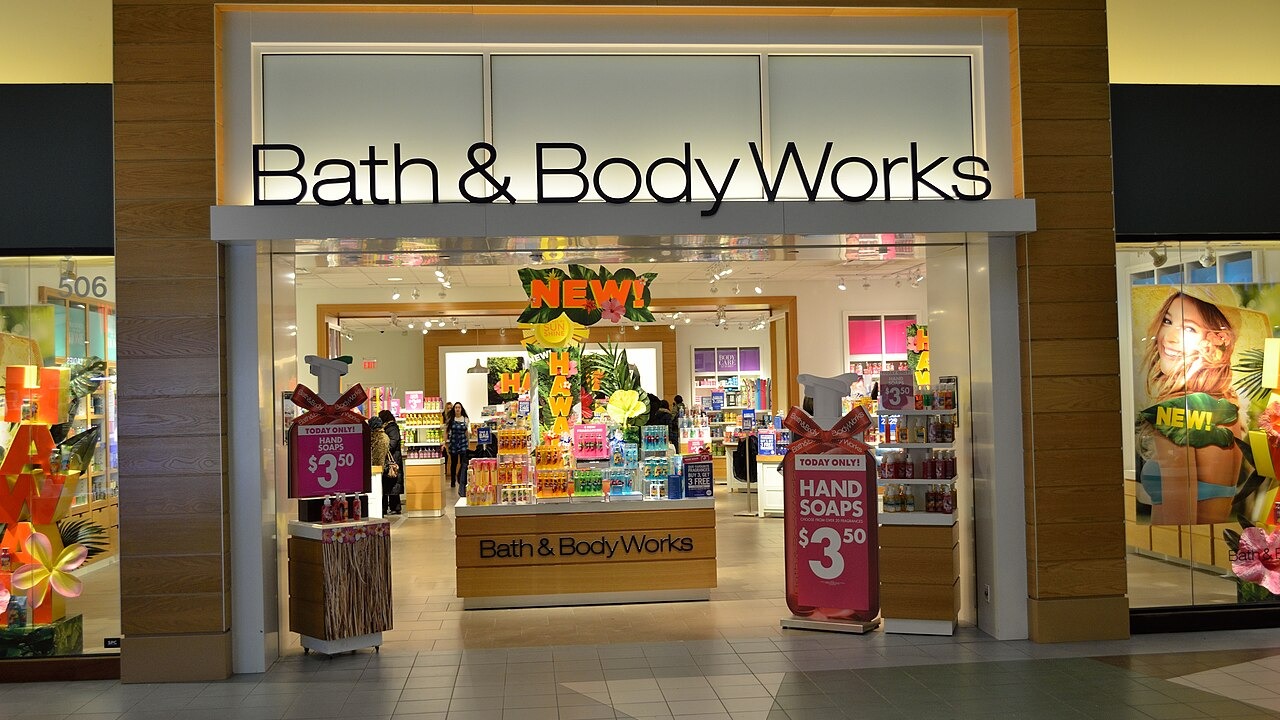
Bath & Body Works plans to close 92 stores in 2026, a decision disclosed in an SEC filing dated March 4, 2026, alongside the company’s fourth-quarter and full-year fiscal 2025 results. The filing, which covers the fiscal year ending January 31, 2026, includes store tables tracking openings and closures by region and sales channel. For shoppers and employees at affected locations, the announcement signals another round of physical footprint reductions at one of the largest specialty retailers in the United States.
Why 92 store closures signal a strategic shift
The 92 planned closures are not a one-off correction. They continue a pattern of net store reductions that Bath & Body Works has carried out over recent fiscal periods. The company’s current report filed with the SEC on March 4, 2026, pairs the closure guidance with its earnings press release and forward-looking outlook for the year ahead. That pairing tells investors and analysts that management views the smaller store count as part of its operating plan, not a distress signal.
The closures appear likely to target lower-performing mall locations. Bath & Body Works has historically relied on enclosed malls for foot traffic, but declining mall visits across the U.S. have pressured per-store sales at weaker sites. Shifting toward stand-alone and off-mall formats could improve average revenue per location, a metric Wall Street watches closely when evaluating brick-and-mortar retailers. If the company concentrates closures in underperforming malls while protecting its strongest locations, per-store productivity could stabilize or improve in future quarterly reports.
For customers near affected stores, the practical effect is straightforward: fewer places to shop in person. That pushes more transactions to the company’s e-commerce channel or to remaining stores that may be farther away. Employees at closing locations face job uncertainty, though the filing does not disclose specific sites or quantify workforce impacts. In past retail restructurings, companies have sometimes offered transfers to nearby stores or severance for affected workers, but Bath & Body Works does not outline such measures in the documents released so far.
What the SEC filing and store tables reveal
The primary evidence sits in two documents filed with the SEC. The 8-K cover filing establishes the date, the disclosure event, and the fact that 2026 guidance accompanies the earnings release. Exhibit 99.1, the company’s earnings release, contains store tables showing how many locations opened and closed during the fiscal year ending January 31, 2026, broken out by region and channel.
Those tables give the clearest picture of how the company’s physical presence is changing. They distinguish between domestic and international locations and separate company-operated stores from other formats, such as licensed or franchise arrangements where applicable. By setting out both openings and closures, the tables allow investors to see whether Bath & Body Works is merely pruning its network or pursuing a more aggressive downsizing.
The 2026 guidance embedded in the same release makes the 92-closure figure a forward-looking commitment rather than a backward-looking tally. It signals that management has already identified a slate of locations it expects to exit over the coming fiscal year, likely aligned with lease expirations and performance thresholds. Because the disclosure is part of a regulated filing, it also carries legal weight: investors can reasonably treat the number as a formal component of the company’s operating plan, subject to the usual caveats about forward-looking statements.
No executive quotes about the strategic reasoning behind the closures appear in the exhibits provided. The filing is a structured disclosure, not a conference call transcript, so the numbers stand on their own without management commentary explaining which regions, formats, or lease negotiations drove the decision. Any color about shopper behavior, mall traffic, or digital growth will have to come from future presentations or Q&A sessions rather than from this specific set of documents.
Open questions about locations, timing, and financial impact
Several gaps remain in the public record. The filings do not list the individual stores slated for closure, so local communities and employees cannot yet determine whether their specific locations are affected. Nor do the documents provide a detailed calendar of when in 2026 the closures will occur, beyond the broad implication that they fall within the current fiscal year.
Financially, the company has not broken out the projected charges or savings tied directly to the 92 closures in the materials reviewed. Store exits typically come with short-term costs, such as impairment charges, inventory write-downs, and severance, followed by longer-term savings on rent, labor, and utilities. Without a separate line item or commentary, investors are left to infer how much of the company’s 2026 profit outlook depends on shrinking the store base versus improving sales and margins at continuing locations.
There are also competitive questions. As Bath & Body Works trims its footprint, rival retailers in personal care, fragrance, and home scents may see opportunities to capture displaced traffic, especially in malls where anchor tenants and specialty chains are already thinning out. On the other hand, if the company successfully migrates customers to its online store and to higher-productivity locations, it could emerge with a leaner, more profitable network even as the headline store count falls.
For now, the 92 planned closures function as a clear signal of ongoing portfolio management rather than a detailed roadmap. Until Bath & Body Works releases more granular information on which stores will close, how quickly the exits will proceed, and what the net financial effect will be, investors, employees, and shoppers will have to read between the lines of the SEC tables to gauge how transformative this round of reductions will be.